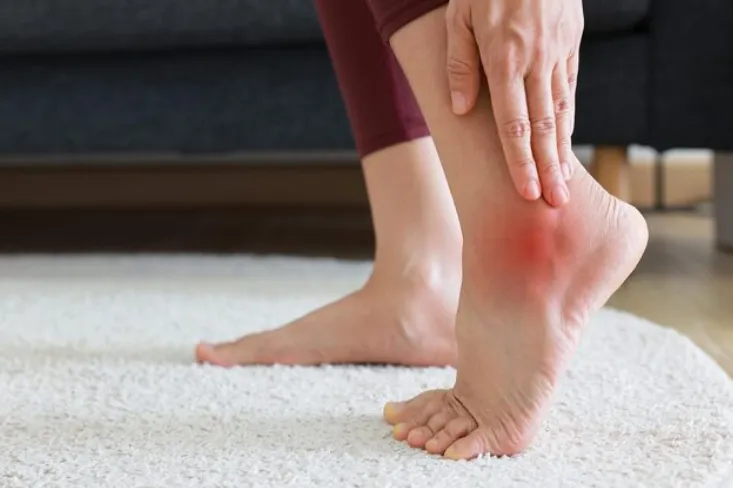

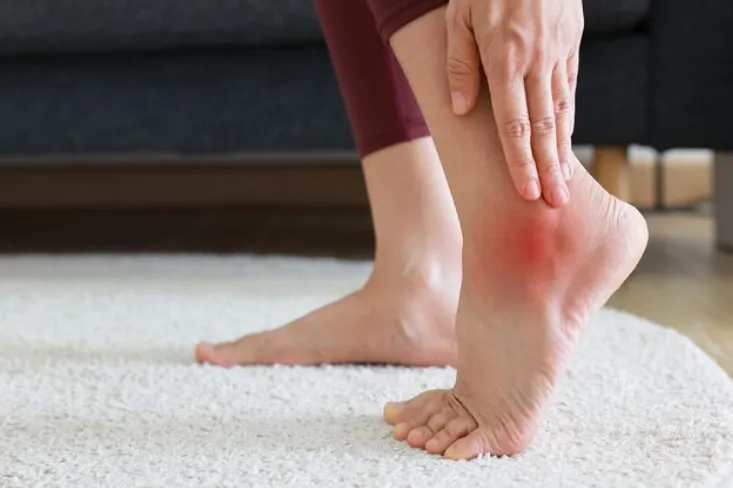
Plantar fasciitis is one of the most common causes of heel pain, especially among active adults who spend long hours walking, running, exercising, or standing throughout the day. The condition occurs when the plantar fascia, a thick band of tissue connecting the heel bone to the toes, becomes irritated or inflamed. This can lead to sharp heel pain, stiffness, and discomfort that often feels worse in the morning or after periods of rest.
For active individuals, plantar fasciitis can interfere with workouts, sports performance, work responsibilities, and everyday movement. Fortunately, there are several treatment options that may help reduce discomfort, improve mobility, and support long-term foot health. Many people also ask, Can A Chiropractor Fix Plantar Fasciitis Pain? Chiropractic care is one of several supportive approaches that may help improve movement patterns and reduce stress on the feet.
Understanding Plantar Fasciitis
The plantar fascia acts as a shock absorber that supports the arch of the foot. Repetitive stress, poor footwear, overuse, or tight muscles can place strain on this tissue over time.
Common symptoms of plantar fasciitis include:
- Sharp pain near the heel
- Morning foot stiffness
- Pain after exercise or standing
- Tightness in the arch or calf muscles
- Increased discomfort after long periods of activity
Active adults are especially vulnerable because repeated impact and movement place continuous stress on the feet.
Why Active Adults Commonly Experience Plantar Fasciitis
People who participate in sports or physically demanding activities often place extra strain on the plantar fascia. Running, jumping, walking long distances, and standing for extended periods can contribute to irritation and inflammation.
Other common contributing factors include:
- Tight calf muscles
- Poor foot mechanics
- Flat feet or high arches
- Inadequate footwear support
- Sudden increases in activity levels
- Excess body weight
Without proper treatment and recovery, symptoms may worsen and affect overall mobility.
Rest and Activity Modification
One of the first treatment approaches for plantar fasciitis is reducing activities that worsen symptoms. While staying active is important, temporarily modifying high-impact exercises can help reduce inflammation and stress on the foot.
Helpful adjustments may include:
- Limiting running or jumping
- Switching to low-impact workouts
- Taking recovery breaks between activities
- Avoiding prolonged standing when possible
Low-impact activities such as swimming or cycling may allow active adults to maintain fitness while reducing foot strain.
Stretching and Flexibility Exercises
Stretching is one of the most commonly recommended treatment options for plantar fasciitis. Tight muscles in the calves and feet can increase pressure on the plantar fascia.
Helpful stretches often target:
- Calf muscles
- Achilles tendon
- Foot arches
- Toes and ankles
Regular stretching may improve flexibility, reduce tension, and support better movement patterns.
Simple exercises such as calf stretches, towel stretches, and rolling the foot over a massage ball may help reduce stiffness and improve comfort over time.
Strengthening Exercises for Foot Support
Strengthening the muscles surrounding the feet and ankles may improve stability and reduce stress on the plantar fascia.
Exercises may include:
- Toe curls
- Resistance band exercises
- Balance exercises
- Arch strengthening routines
Improved muscle support can help active adults return to physical activities more comfortably and reduce future injury risk.
Proper Footwear and Orthotic Support
Wearing supportive shoes is extremely important for managing plantar fasciitis. Shoes lacking arch support or cushioning may worsen heel pain and strain the foot.
Helpful footwear features include:
- Arch support
- Shock absorption
- Cushioning around the heel
- Stable soles
- Proper fit
Custom orthotics or over-the-counter inserts may also help improve foot alignment and reduce pressure on the plantar fascia.
Athletes and active adults should replace worn-out athletic shoes regularly to maintain proper support.
Ice Therapy and Inflammation Management
Cold therapy can help reduce inflammation and discomfort associated with plantar fasciitis.
Common icing methods include:
- Ice packs
- Frozen water bottle rolling
- Cold compresses
Applying ice after physical activity may help calm irritated tissues and improve comfort during recovery.
Physical Therapy for Plantar Fasciitis
Physical therapy is another common treatment option for active adults. Therapists may use a combination of stretching, strengthening, mobility exercises, and movement correction techniques to support healing.
Physical therapy can help:
- Improve flexibility
- Correct movement imbalances
- Strengthen supporting muscles
- Reduce recurring strain
Structured rehabilitation programs are often beneficial for individuals who want to safely return to sports or regular exercise.
Can A Chiropractor Fix Plantar Fasciitis Pain?
Many people ask, Can A Chiropractor Fix Plantar Fasciitis Pain? Chiropractic care may help support plantar fasciitis treatment by addressing alignment, posture, and movement mechanics that contribute to foot strain.
Chiropractors may evaluate:
- Foot alignment
- Ankle mobility
- Walking patterns
- Spinal posture
- Muscle imbalances
Treatment approaches may include:
- Joint adjustments
- Soft tissue therapy
- Mobility exercises
- Stretching recommendations
- Posture correction guidance
Although chiropractic care may not instantly “fix” plantar fasciitis, many active adults use it as part of a broader recovery and wellness strategy.
Massage and Soft Tissue Therapy
Massage therapy may help reduce muscle tightness and improve circulation around the feet and calves.
Soft tissue techniques can help:
- Relieve tension
- Improve flexibility
- Reduce discomfort
- Support recovery after activity
Foam rolling and self-massage tools are also popular options for managing muscle tightness at home.
Weight Management and Lifestyle Habits
Excess body weight can increase pressure on the feet and worsen plantar fasciitis symptoms. Maintaining a healthy weight may help reduce strain and improve long-term foot health.
Additional healthy habits include:
- Staying active with low-impact exercises
- Warming up before workouts
- Avoiding sudden increases in activity
- Taking recovery days seriously
- Staying hydrated
Consistent self-care plays an important role in recovery and prevention.
When to Seek Professional Help
Mild plantar fasciitis symptoms may improve with rest and home care, but ongoing pain should not be ignored.
Seek professional evaluation if:
- Pain lasts several weeks
- Walking becomes difficult
- Symptoms worsen over time
- Swelling or severe inflammation develops
- Daily activities become limited
Early treatment can help prevent chronic discomfort and improve recovery outcomes.
Conclusion
Plantar fasciitis can be frustrating for active adults who want to maintain mobility, fitness, and daily comfort. Fortunately, there are many effective treatment options available, including stretching, strengthening exercises, supportive footwear, physical therapy, and lifestyle adjustments.
Many individuals also ask, Can A Chiropractor Fix Plantar Fasciitis Pain? Chiropractic care may provide additional support by improving alignment, mobility, and movement mechanics that affect foot health.
By combining professional guidance with healthy habits and proper recovery strategies, active adults can reduce discomfort, protect joint health, and return to the activities they enjoy with greater comfort and confidence.

























Sign in to leave a comment.