
Introduction
Most people who explore skull reshaping have lived with the same concern for a long time. It is not about chasing perfection. It is about noticing how certain contours throw off balance, how light hits the head in photographs, or how asymmetry keeps pulling the eye back. Skull reshaping surgery is a quiet, technical field that rewards restraint and careful judgment. When done properly, it is not obvious work. This guide lays out what truly happens during the process, without theatrics, so expectations stay grounded in reality rather than marketing language.
Step 1: The Initial Consultation
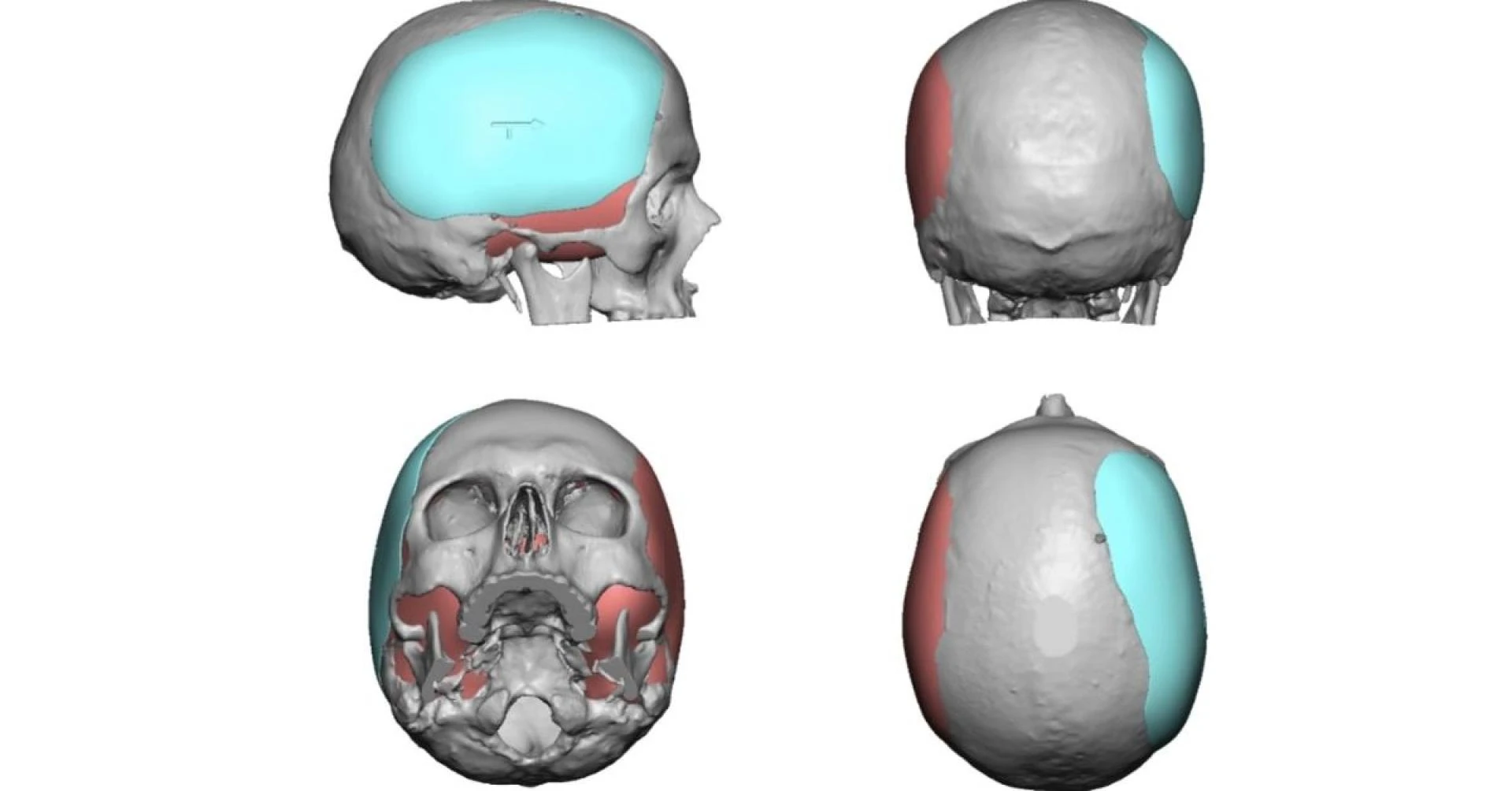
The consultation establishes the tone of everything that comes after. This is where the patients tell what is wrong and not what they would want to be duplicated or repaired overnight. An experienced surgeon is a good listener who examines the shape of the head from a variety of viewpoints and takes into consideration how the skull interacts with the face. Medical history is not like paperwork here, but rather as a context of safe decision-making. Modern visualization technology enables an assessment of the underlying bone structure with high accuracy. These pictures demonstrate information that cannot be seen in the mirror and can be used to shape what can be physically altered by cosmetic skull reshaping without affecting the safety or proportion.
Step 2: Individualized Surgical Planning
Planning becomes very specific after the imaging has been done. It has no template and no standard adjustment. Some skulls require minor smoothing, and models that require specific enhancements with the help of implants as a part of the overall contouring plan. The placement of implants is not about volume in itself but rather about sustaining balance where the structure is wanting. Discussed straightforwardly are incisions, duration of surgery, and expectations of recovery. This phase eliminates the unrealistic thoughts and substitutes them with realistic results. The most effective plans are conservative, accurate, and quiet in terms of visual representation.
Step 3: Preparing for Surgery
Preparation is straightforward but important. Patients are advised to pause certain medications, avoid supplements that increase bleeding risk, and eliminate smoking well before surgery. These steps directly affect healing quality. On surgery day, the procedure is performed under general anesthesia in an accredited surgical setting. The surgeon also works systematically once the anesthesia is set in operation and the contours are not improvised, but are done according to the predetermined lines. It is in this field that the reliability of results and uncertainty are distinguished.
Step 4: The Surgical Procedure
The actual operation is manipulative. The contouring or augmentation of bone is carried out by design, and symmetry and transitions are considered instead of a dramatic transition. Current skull reshaping in plastic surgery skull reshaping aims at perfecting rather than discovering new things. When custom implants are used, they are meant to be designed to be part of existing anatomy, such that the outcome does not feel like an addition. Incisions are sewn neatly up and normally concealed beneath the scalp of hair to make the scarring inconspicuous. Dressings are put on, and the healing process starts without much ado.
Step 5: Immediate Recovery
Recovery after surgery is normally referred to as pressure and not sharp pain. Tightness and swelling are normal and treated using medication. Others spend the night under observation after surgery, and others go home the same day, depending on the severity of the surgery. Explicit post-surgery guidelines are based on rest, elevation of the head, and strain avoidance. Discipline at an early age is rewarded.
Step 6: Healing and Follow-Up
The initial two weeks are concerned with settling down the body. Bruising subsides, the swelling reduces slowly, and lines start setting in. The swelling may remain for some months, which is normal and is usually misinterpreted. Follow-up visits enable progress to be checked, and the questions to be responded to as they come. The majority of patients resume regular operations in 6-8 weeks. End results become hard with time, not at a moment. This is a deliberate, meticulous style that is indicative of what is practiced by Dr Shahin Javaheri, SF Plastic Surgeon, where moderation and long-term balance are more important than speed.
Conclusion
The surgery of reshaping the skull is best done with patience and clear-eyed expectations. It is both technical and personal, and privately transformative when it is done successfully. An informed conversation is the best thing that can follow next to those who think that cosmetic skull reshaping, rather than rushing to make a decision. Book a consultative appointment to talk about your needs, be informed of what is feasible, and whether this is the way that you would prefer to come out of it in the long term.



























Sign in to leave a comment.