

Preventing and Managing Violence and Aggression (PMVA) training is designed to equip individuals with the necessary skills and knowledge to handle challenging and potentially violent situations effectively. This training is essential for professionals working in various sectors where they may encounter aggression, such as healthcare, social care, security, and education.
Understanding the Importance of PMVA Training
In environments where conflict and aggression are prevalent, PMVA training plays a crucial role in ensuring the safety of both staff and service users. By understanding the dynamics of violence and aggression, individuals can effectively de-escalate situations and prevent them from escalating into physical confrontations.
Key Components of PMVA Training
Physical Intervention Techniques
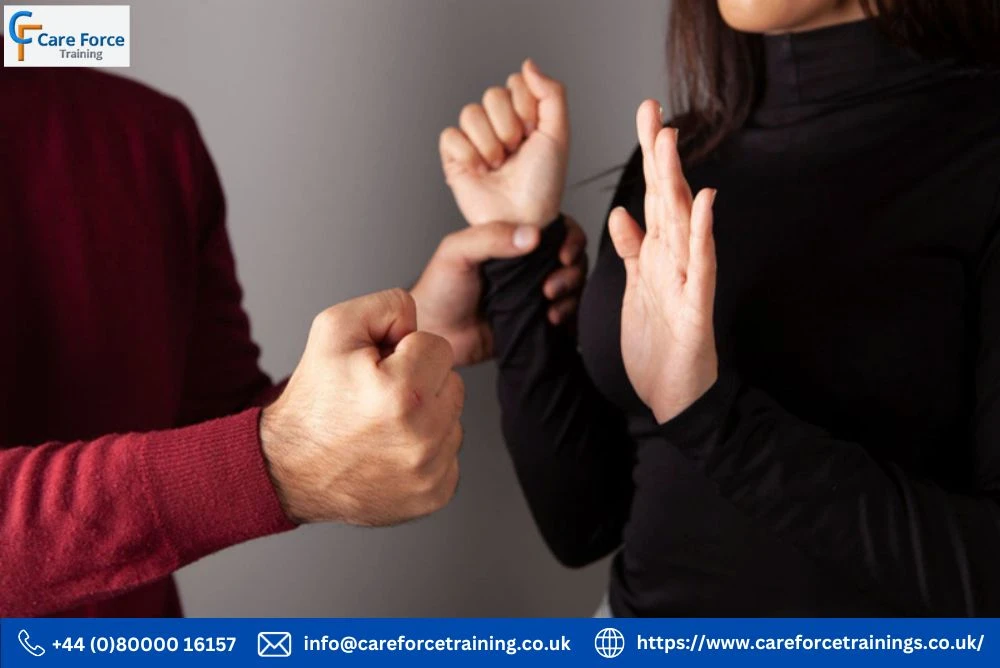
PMVA training includes instruction on safe and effective physical intervention techniques to manage situations where there is an imminent risk of harm. These techniques are designed to minimize the risk of injury to all parties involved while maintaining control and ensuring the safety of those present.
De-escalation Strategies
A significant aspect of PMVA training is teaching individuals how to recognize the signs of escalating aggression and employ de-escalation strategies to defuse tense situations peacefully. This includes effective communication skills, active listening, and the ability to remain calm under pressure.
Legal and Ethical Considerations
PMVA training also covers the legal and ethical aspects of managing violence and aggression. Participants learn about relevant legislation, policies, and procedures governing the use of force, restraint, and physical intervention, ensuring compliance with regulatory requirements and safeguarding the rights of individuals.

Who Should Undergo PMVA Training?
PMVA training is suitable for a wide range of professionals, including healthcare workers, social workers, security personnel, teachers, and support staff. Anyone who may encounter aggressive behavior as part of their role can benefit from acquiring the skills and knowledge provided by PMVA training.
Benefits of PMVA Training
The benefits of PMVA training extend beyond merely managing violent incidents. By empowering individuals with the confidence and competence to handle challenging situations effectively, PMVA training can enhance workplace safety, improve staff morale, and promote a culture of respect and dignity.
PMVA Training Process
Initial Assessment
Before undergoing PMVA training, participants typically undergo an initial assessment to identify their specific training needs and any existing knowledge or experience they may have in managing violence and aggression.
Training Modules
PMVA training is delivered through a series of structured modules covering topics such as risk assessment, conflict resolution, physical intervention techniques, and post-incident debriefing. Training may be delivered through in-person workshops, online courses, or a combination of both.
Practical Application
An essential component of PMVA training is the opportunity for participants to apply the skills and techniques learned in a controlled environment. Practical exercises and simulations allow individuals to practice their response to different scenarios and receive feedback from instructors.
Certification and Accreditation
Upon successful completion of PMVA training, participants receive certification or accreditation demonstrating their competence in managing violence and aggression. This certification may be required by employers or regulatory bodies as evidence of compliance with training standards.
Finding the Right PMVA Training Provider
When selecting a PMVA training provider, it\'s essential to consider factors such as the provider\'s reputation, the quality of their training materials, the expertise of their instructors, and their adherence to relevant industry standards and guidelines.
Frequently Asked Questions (FAQs)
Q: What does PMVA stand for?
A: PMVA stands for Preventing and Managing Violence and Aggression.
Q: Is PMVA training mandatory?
A: While PMVA training may not be mandatory in all industries, it is highly recommended for professionals working in environments where they may encounter violence and aggression.
Q: How often should PMVA training be refreshed?
A: PMVA training should be refreshed regularly to ensure that individuals remain up-to-date with the latest techniques and best practices. The frequency of refresher training may vary depending on organizational policies and industry requirements.
Q: Can PMVA training be customized for specific industries?
A: Yes, PMVA training can be customized to address the unique needs and challenges of specific industries, such as healthcare, education, security, and social care.
Q: Are online PMVA training courses effective?
A: Online PMVA training courses can be effective, particularly when supplemented with practical exercises and simulations to reinforce learning. However, it\'s essential to ensure that online courses are delivered by reputable providers and meet industry standards for quality and accreditation.
Conclusion
In conclusion, PMVA training plays a vital role in equipping individuals with the skills and knowledge needed to manage violence and aggression effectively. By understanding the importance of PMVA training, exploring its key components, and considering its benefits, organizations can create safer and more secure environments for both staff and service users.
































Sign in to leave a comment.