
Introduction to Pneumatic Ball Valves
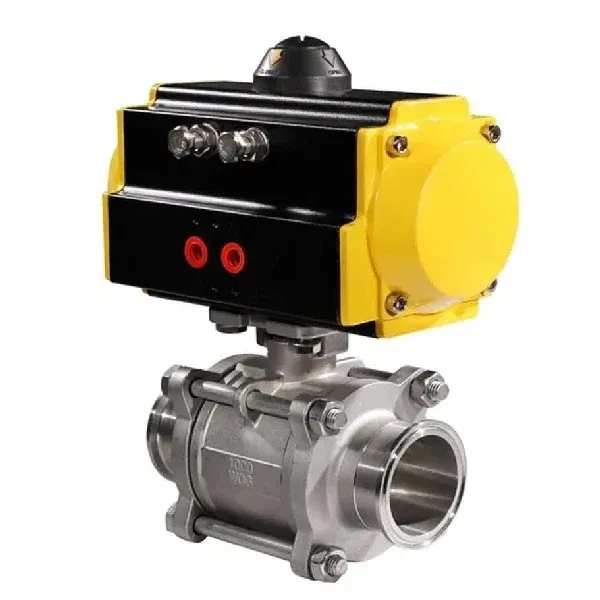
Pneumatic ball valves are essential components in modern fluid control systems, widely used for their efficiency, durability, and seamless integration with automated control setups. These China Control Valves utilize compressed air to drive an actuator, which rotates the valve’s ball core to regulate the flow of fluids in a pipeline.
This article delves into the operational principles, key features, types, advantages, and industrial applications of pneumatic ball valves. A thorough understanding of these aspects helps industries select the ideal valve for specific needs, ensuring optimal efficiency and long-term reliability.
Working Principle of Pneumatic Ball Valves
Pneumatic ball valves operate by using an actuator powered by compressed air to rotate the valve’s ball core. The ball features a circular channel that aligns with the pipeline when the valve is open, allowing fluid to flow freely. When the actuator is activated, the ball rotates 90 degrees to close off the flow.
For more precise control, a valve positioner can be incorporated, enabling accurate adjustments to the flow. The fast response time of pneumatic actuation makes these valves perfect for quick shut-offs and precise regulation.
Unlike manual valves, pneumatic ball valves do not require human intervention, reducing the risk of operator errors and improving operational efficiency. Additionally, their use of compressed air, rather than electricity, makes them safer for use in hazardous environments where electrical sparks could pose a danger.
Key Features of Pneumatic Ball Valves
- Fast Response Time: The pneumatic actuator enables quick opening and closing, ensuring efficient and immediate control of fluid flow.
- High Pressure Resistance: These valves are built to withstand high-pressure environments, ensuring reliability even in demanding conditions.
- Corrosion Resistance: Materials like stainless steel and PTFE make these valves highly resistant to corrosion, extending their lifespan in harsh environments.
- Excellent Sealing Performance: Pneumatic ball valves offer tight shut-off capabilities, preventing leakage and ensuring safe operation.
- Compact Design: Compared to other valve types, pneumatic ball valves are smaller and lighter, making installation and maintenance simpler.
- Seamless Automation Integration: Pneumatic ball valves can easily integrate with control systems, allowing for remote operation and enhancing overall process efficiency.
Types of Pneumatic Ball Valves
- On-Off Pneumatic Ball Valves:
- These valves are designed to fully open or fully close fluid flow.
- They typically feature an O-type ball with a full-bore passage, minimizing resistance and ensuring fast shut-off.
- Common applications include oil and gas, water treatment, and chemical processing.
- Regulating Pneumatic Ball Valves:
- These valves provide precise flow control, making them ideal for applications requiring accurate regulation.
- The valve core features a V-shaped ball that allows finer adjustments to the flow.
- Often used in industries like food processing, pharmaceuticals, and high-precision manufacturing.
Advantages of Pneumatic Ball Valves
- Energy Efficiency: Pneumatic ball valves consume less energy compared to electrically operated valves, utilizing compressed air instead of continuous electrical power.
- Low Maintenance: With fewer moving parts, pneumatic ball valves require less maintenance, reducing costs and downtime.
- Safety in Hazardous Environments: Because they operate on compressed air, pneumatic ball valves eliminate the risk of electrical sparks, making them safe for use in explosive or flammable environments.
- Versatility: These valves are used across various industries, including oil and gas, water treatment, food and beverage, and chemical manufacturing, due to their ability to handle diverse fluids like gases, steam, and corrosive chemicals.
- Enhanced System Automation: Pneumatic ball valves can be integrated with SCADA and other automation systems, enabling remote monitoring and control, which enhances efficiency and reduces human error.
Industrial Applications of Pneumatic Ball Valves
- Oil and Gas Industry: Pneumatic ball valves are essential for controlling the flow of oil and gas in pipelines, handling high pressures and corrosive materials.
- Water Treatment Plants: These valves regulate water and wastewater flow, playing a crucial role in ensuring the optimal functioning of treatment processes.
- Food and Beverage Industry: Pneumatic ball valves control the flow of ingredients and liquids in food processing, with sanitary materials that comply with hygiene standards.
- Pharmaceutical Industry: These valves ensure precise control over the flow of liquid medicines and chemicals, maintaining product purity and consistency.
- Chemical Processing Plants: Pneumatic ball valves are built to endure harsh chemicals, acids, and extreme temperatures, making them vital for chemical production and transportation.
Future Trends in Pneumatic Ball Valve Technology
- Integration with IoT and Smart Sensors: New pneumatic ball valves are incorporating sensors that provide real-time data on flow rates, pressures, and valve conditions, enabling predictive maintenance and improved system optimization.
- Enhanced Energy Efficiency: Advances in actuator design are making pneumatic ball valves even more energy-efficient, reducing operational costs and air consumption.
- Material Innovations: New, more durable materials are being developed to extend the lifespan of pneumatic ball valves in extreme conditions.
- Improved Automation Compatibility: Future pneumatic ball valves will be better equipped to integrate with AI-driven control systems, allowing for more precise operation and greater levels of automation.
Conclusion
Pneumatic ball valves are indispensable in modern fluid control systems. Their fast response times, high-pressure resistance, excellent sealing properties, and compatibility with automation make them an ideal choice for many industrial applications. As industries move toward greater automation and energy efficiency, pneumatic ball valves will continue to be a key component, offering reliable, efficient, and safe fluid control solutions for a wide range of sectors. Understanding their features and benefits helps industries make informed decisions, ensuring long-term operational success.Know more about Google SEO Directory










Sign in to leave a comment.