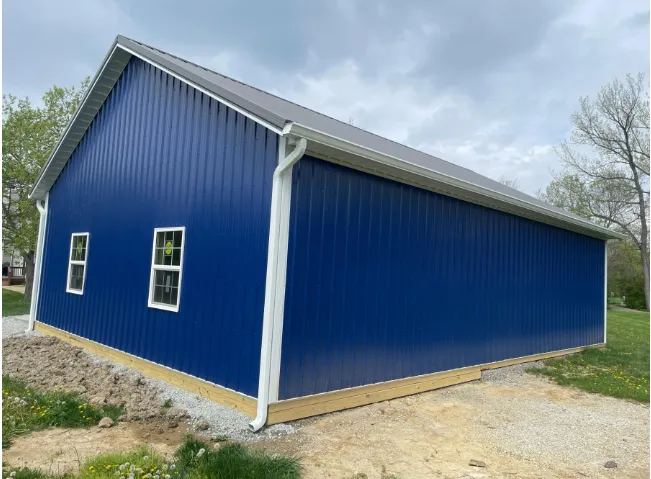

There is something satisfying about a building that works hard and still looks like it belongs exactly where it stands. That is a big part of the appeal behind today’s best pole barn design ideas. People are no longer thinking about pole barns as plain utility structures tucked away behind the main property. They are thinking bigger. They are imagining buildings with clean lines, warm materials, flexible interiors, inviting porches, loft spaces, and layouts that feel just as intentional as any custom home or commercial space.
That shift makes sense. A well-designed pole barn can do far more than store equipment or provide basic shelter. It can become a workshop that feels polished and practical, a hobby space with room to grow, a multi-use agricultural structure, a commercial building with curb appeal, or a residential-style space that blends utility with comfort. The beauty of good pole barn design is that it gives you room to think creatively without losing sight of what the building needs to do every day.
That is the sweet spot people are searching for when they look up pole barn design ideas. They want inspiration, of course, but they also want real-world direction. They want to know what modern pole barn design looks like now, whether porches and lofts are realistic, how much freedom they have with layout, and how to create a building that feels purposeful instead of generic. And the honest answer is that pole barn design has never offered more flexibility than it does right now.
Why Pole Barn Design Has Changed So Much
For a long time, pole barns were discussed almost entirely in terms of utility. The focus was on size, cost, access, and durability. Those things still matter, and they always will. But today, design plays a much bigger role because property owners expect more from their buildings. They want efficiency, yes, but they also want a structure that complements the property, supports changing needs, and reflects a clear visual style.
That change has pushed pole barn design in a more thoughtful direction. Instead of asking only how large the building should be, owners are asking how the front elevation should look, how natural light should enter the space, whether a porch can soften the exterior, whether interior zones can be separated without losing openness, and how the building can adapt if its use changes in the future. Those are design questions, not just construction questions, and they are shaping the next generation of pole barns in a big way.
The result is a category of buildings that feels far more versatile than many people expect. A pole barn can still be highly practical, but it does not have to feel plain. It can be refined without becoming precious. It can be durable without looking industrial. And it can be customized in ways that make it feel completely tied to the property and the people using it.
Modern Pole Barn Design Trends Start With Simplicity
One of the strongest design trends in pole barn construction right now is simplicity with intention. That means cleaner rooflines, fewer unnecessary visual breaks, balanced proportions, and materials that feel deliberate rather than decorative for decoration’s sake. Modern pole barn design often leans into straightforward forms and lets scale, finish choices, and thoughtful details do the work.
This does not mean every building has to look sleek or minimalist. It means the best designs usually begin with a clear architectural direction. A barn with a simple gable roof, strong entry emphasis, darker siding, warm wood accents, and well-placed windows can feel striking without becoming complicated. In many cases, restraint is what makes the building feel current.
Another major trend is blending rustic structures with more polished finishes. Owners still appreciate the honest, grounded look of barn-inspired design, but they often want it paired with modern touches. That might mean matte black hardware, stained timber accents, large windows, covered outdoor space, or a brighter interior plan that feels more finished and welcoming. The overall effect is a building that respects its practical roots while still feeling elevated.
Color choices have shifted too. Instead of defaulting to purely agricultural palettes, many people are choosing more residential or commercial-inspired combinations. Charcoal, black, white, warm gray, deep green, and natural wood tones are all shaping the look of modern pole barn design. These choices help the building feel connected to the property while giving it a stronger identity.
Layout Flexibility Is One of the Greatest Design Advantages
If there is one reason pole barn design continues to attract so much interest, it is layout flexibility. This is where the structure really starts to earn its reputation. The framing system often allows for wide open interior spans, which gives owners the freedom to shape the inside around how they actually plan to use the building.
That freedom opens the door to all kinds of practical and creative possibilities. A single structure can include vehicle storage, workshop space, equipment bays, office space, entertaining areas, or even future finished zones. It can be designed around daily workflow, seasonal needs, or long-term property goals instead of being forced into a rigid template.
For some people, that means separating clean and dirty zones so the workshop and storage areas do not interfere with each other. For others, it means carving out a front section that feels more welcoming and presentable while keeping heavier-duty functions tucked behind it. In a residential-style building, it may mean creating an open central gathering area with support spaces placed strategically around the perimeter. The point is not that every building needs a complex floor plan. The point is that the layout can be customized with a surprising amount of freedom.
That is why the phrase design your own pole barn resonates with so many people. They are not simply choosing a shell. They are shaping a building to fit a specific lifestyle, workflow, or vision for the property. And that level of customization is one of the strongest arguments in favor of pole barn design as a category.
Porches Can Completely Change the Look of a Pole Barn
One of the most effective ways to add style and usability to a pole barn is with a porch. It is also one of the most common questions people ask when they start exploring design options. Can a barn include a porch? Absolutely. In fact, porches are often one of the details that transform a building from purely functional to genuinely inviting.
A porch softens the structure visually. It adds depth to the front elevation, creates shadow lines, and breaks up large wall surfaces in a way that feels natural. On a practical level, it also creates transitional space. That can mean weather protection at the entry, a comfortable place to sit, an outdoor work zone, a spot for gathering, or simply a sheltered edge that makes the building feel more finished.
The style of the porch can completely change the character of the building. A full-length front porch creates a relaxed, classic barn-inspired look that feels warm and approachable. A smaller entry porch can give the building a cleaner, more modern face while still offering architectural interest. Wraparound porches add presence and outdoor function, especially on larger multi-use or residential-style structures.
The key is making the porch feel integrated rather than added on. Roof pitch, column style, trim details, and proportions should all work with the main building so the whole design feels unified. When that happens, a porch becomes much more than an accessory. It becomes part of the identity of the structure.
Lofts Bring Function and Character
Lofts are another design feature people are drawn to for good reason. They add dimension, flexibility, and a sense of vertical interest that can make a pole barn feel far more dynamic inside. And yes, lofts are very possible in many pole barn designs, provided the structure is planned appropriately.
What makes a loft so appealing is that it can serve more than one purpose. In some buildings, it becomes extra storage and nothing more. In others, it turns into office space, a lounge, a studio, a bunk area, or a viewing platform overlooking the main space. That versatility makes it a strong design choice for owners who want to maximize square footage without expanding the footprint of the building.
Lofts also change the interior experience. They create layered space. They give the eye somewhere to travel. They can help a large open structure feel more intimate and interesting without closing it in. In a workshop or garage-style building, a loft can provide overhead storage or a quieter retreat from the activity below. In a more residential or hospitality-inspired design, it can become a signature feature that adds both charm and function.
The important thing is to think about the loft early. Ceiling height, roof structure, access, guardrails, natural light, and intended use all influence whether the loft feels useful or awkward. A well-planned loft should feel like a natural extension of the building rather than an afterthought squeezed into the upper volume.
Exterior Design Choices That Add Immediate Curb Appeal
When people talk about pole barn design ideas, they often picture the layout first. But exterior design deserves just as much attention because it sets the tone before anyone steps inside. A good exterior does not need to be flashy. It needs to feel balanced, intentional, and appropriate for the setting.
Windows are one of the easiest ways to improve the look of a pole barn. They break up large elevations, bring in natural light, and help the building feel more finished. The style and placement matter. Symmetrical front windows can create a clean, classic presence. Larger contemporary windows can pull the design in a more modern direction. Clerestory windows or higher-set openings can add light while preserving wall space below.
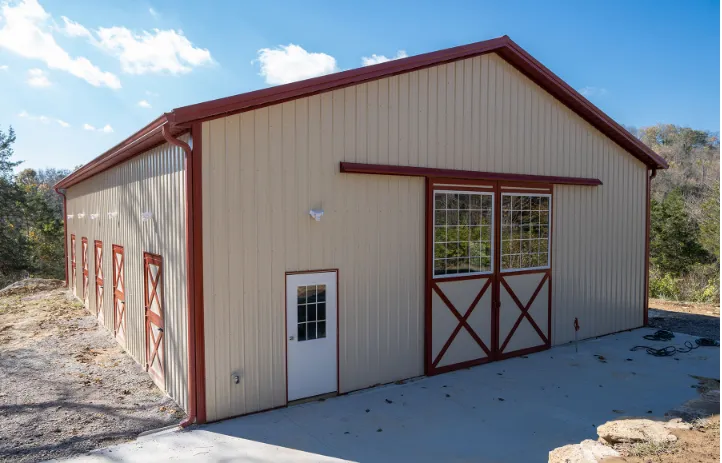
Door design also makes a huge difference. Oversized sliding doors create a traditional agricultural feel, while overhead doors with glass panels can bring a more refined commercial or workshop character. Entry doors, trim details, and hardware all contribute to how the building is perceived. These are small choices on paper, but together they shape the personality of the structure.
Material mixing is another design move that has become increasingly popular. Siding can be paired with wood accents, stone wainscoting, decorative trusses, or contrasting trim to create texture and depth. The goal is not to over-design the building. It is to give it enough variation and detail that it feels cared for and architecturally complete.
Interior Design Matters Just as Much as the Shell
A beautiful exterior may draw people in, but the interior is what determines whether the building truly works. That is why the best pole barn design ideas do not stop at the shell. They think through how the inside should feel, how the zones should function, and what kind of experience the structure should create.
In many cases, open interiors are one of the main attractions. They allow for flexibility and can make even a practical building feel expansive. But openness should still be organized. It helps to think in terms of zones. Where is the loud work area? Where is the quiet area? Where do people enter? Where will equipment or materials be stored? Where should natural light be strongest? These questions shape a building that feels usable instead of just large.
Finishes also go a long way in defining style. Exposed wood, steel accents, warm lighting, polished concrete, finished office corners, practical storage walls, and clean-lined workstations can all elevate the atmosphere of a pole barn. Even when the building is heavily utilitarian, thoughtful design choices make it more enjoyable to use.
This is especially important for multi-use buildings. A structure that blends work and leisure, or storage and entertaining, needs transitions that feel natural. The best interiors make those shifts easy. They allow the building to serve more than one purpose without feeling confused or cluttered.
Designing for Future Changes Is Always Smart
One of the most underrated parts of good pole barn design is planning for a future you cannot fully predict yet. Many owners begin with one intended use, only to find that the building evolves over time. What starts as vehicle storage may become a workshop. A hobby barn may grow into a business support space. A utility structure may later need finished rooms, expanded electrical service, or a more refined front section.
This is where flexible design becomes incredibly valuable. Wide clear spans, sensible circulation, adaptable wall space, and room for future utility upgrades all help a building age well. The structure does not need to be overbuilt for every possible scenario, but it should be planned in a way that leaves doors open.
That mindset also makes the investment feel smarter. A building designed only for today may work for a while, but a building designed with some foresight tends to stay useful longer. It handles change better. It gives owners more options. And it often feels more intentional because it was planned around real-life evolution instead of a single static idea.
Where to Find Inspiration for Your Own Pole Barn Design
Many people reach a point where they know what they want in theory but still need help visualizing it. That is completely normal. Pole barn design becomes much easier when you start looking at real examples, comparing exterior styles, noticing layout ideas, and paying attention to the details that keep showing up in buildings you like.
Inspiration can come from more places than people expect. Residential architecture, workshop design, equestrian buildings, agricultural structures, modern farm buildings, event venues, and commercial utility spaces all have ideas worth borrowing. Sometimes the right design direction comes from combining influences rather than copying one building exactly. You might like the porch of one structure, the window layout of another, and the interior openness of a third. Over time, those preferences begin to form a clear design language of your own.
The most useful examples are the ones that show both style and function. It is easy to save a photo of a building that looks beautiful. It is more helpful to study a building that also solves the kind of practical problems you need your own structure to solve. That is where inspiration becomes strategy rather than just decoration.
FAQ: Common Questions About Pole Barn Design Ideas
What are modern pole barn design trends?
Modern pole barn design trends often focus on clean lines, balanced proportions, simple roof forms, mixed materials, stronger curb appeal, larger windows, and flexible interiors. Many designs blend practical agricultural roots with more refined residential or commercial details to create buildings that feel both functional and polished.
Can barns include porches?
Yes, porches are a popular and highly effective design feature for pole barns. They add outdoor usability, protect entry points, and give the building more visual depth. Depending on the style, a porch can make the structure feel more classic, more welcoming, or more contemporary.
Are lofts possible in a pole barn?
Yes, lofts are possible in many pole barn designs. They can be used for storage, office space, hobby areas, lounge space, or other secondary functions. The key is planning the loft early so the structure, headroom, access, and intended use all work together properly.
Can I customize the layout?
Absolutely. One of the biggest advantages of pole barn design is layout flexibility. Many buildings can be configured to include open work zones, storage areas, offices, gathering spaces, vehicle bays, or future finished rooms. That flexibility is a major reason so many people choose to design their own pole barn around their specific needs.
Where can I see examples?
The best place to start is by reviewing a wide range of real-world pole barn examples and paying attention to the details that match your goals. Look closely at exterior styles, porch designs, loft concepts, material combinations, door placement, and interior layouts. The more examples you study, the easier it becomes to define what you want your own building to be.
Pole Barn Design That Works Beautifully
The best pole barn design ideas are never just about appearance, and they are never just about utility. They live in the space where those two things meet. A truly successful building does its job well, fits the property naturally, and feels like it was designed with care instead of assembled out of habit.
That is why pole barn design has become so much more interesting. It gives people the freedom to build practical structures that still have presence, warmth, and personality. It allows for porches that invite people in, lofts that add usable character, layouts that fit real life, and exterior details that make the building feel like a destination instead of an afterthought.
For anyone exploring pole barn design ideas, that is the big takeaway. You do not have to choose between function and style. With the right planning, you can have both. And when those two things come together well, the result is a building that not only works hard but also feels right every time you see it.




















Sign in to leave a comment.