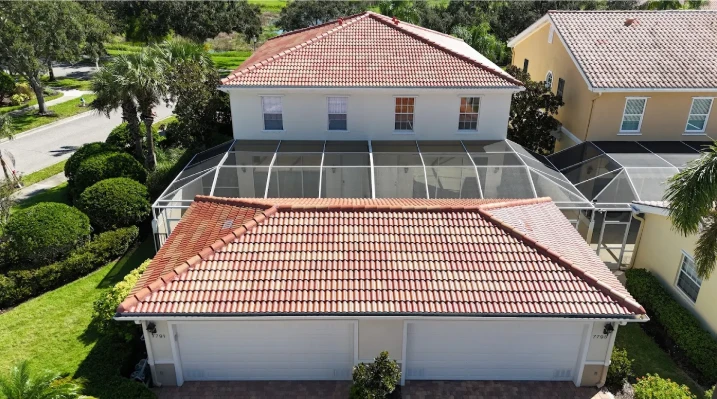

If you live in Venice, Florida, you already know the coast has its own personality. The air feels different. The breeze carries a salty edge. Afternoon storms can roll in fast, and the wind has a habit of pushing rain where it has no business going. That coastal charm is part of why people love Venice—but it also means your roof lives a harder life than a roof just a few miles inland.
Homeowners often begin their search with a simple phrase like “roofing companies Venice FL,” thinking they’re just shopping for a contractor. In a coastal town, though, you’re not only choosing a company. You’re choosing a level of expertise. Coastal conditions don’t just wear things out; they change what “good roofing” needs to look like in the first place. Materials, installation details, and long-term maintenance expectations all shift when salt air, humidity, and wind-driven rain are part of everyday life.
This guest post breaks down how Venice’s coastal climate affects roofs, what to look for in true coastal roofing expertise, and how to make choices that protect your home for the long haul—especially if your property has a tile roofing system, which is one of the most proven options for Gulf Coast performance when it’s installed and cared for correctly.
Venice’s Coastal Environment Isn’t “Just Weather”—It’s a Roof Stress Test
Florida roofs deal with heat and sun everywhere, but Venice adds coastal exposure that can quietly accelerate wear. Salt in the air is the headline, but it’s the combination that really matters: salt, humidity, and wind all working together.
Salt settles onto roofing components and holds moisture against them. That moisture lingers because coastal humidity slows drying. Over time, this can speed up corrosion on vulnerable metal parts such as flashing, fasteners, drip edges, and termination bars. Even high-quality roofs can develop weak points if the wrong metals or coatings were used or if critical details weren’t built for long-term exposure.
Wind changes everything too. Venice doesn’t need a hurricane to create wind-driven rain. Regular coastal breezes can push water sideways and upward at roof transitions. That means roof performance isn’t just about how well the roof sheds water downward—it’s about how well it resists water under pressure at the most complex points.
Tile roofing tends to perform very well in this environment because the tile surface is naturally durable, resistant to UV damage, and designed to shed water efficiently. But tile is still part of a system. In coastal conditions, the system is only as strong as its most vulnerable detail: the transitions, the flashing, and the waterproofing layers beneath.
How Coastal Air Affects Roofs
Coastal air affects roofs in ways many homeowners don’t see until there’s a problem. The most obvious impact is corrosion. Salt accelerates oxidation, and that can show up in rusting fasteners, deteriorating flashing edges, and weakened metal terminations. Once metal components start to degrade, small openings form, sealants fail faster, and wind-driven rain gets opportunities it didn’t have before.
Humidity damage is a close second. High humidity doesn’t necessarily “cause” a roof to leak, but it can make the consequences of a small leak worse. Moisture that enters a roof system can take longer to dry, which increases the chance of staining, odors, compromised insulation, and deterioration of adjacent materials. Humidity also stresses certain sealants and adhesives over time, especially if they were not chosen with long-term exposure in mind.
In practical terms, coastal air puts a premium on correct materials, correct detailing, and regular inspections. It’s not about being alarmist—it’s about acknowledging that the coast speeds up the aging process for the components that keep water out.
Do Roofing Materials Differ Near the Coast?
The short answer is yes, but not always in the way people assume. Most homeowners think first about the visible roof surface. In coastal roofing, the more important differences are often hidden: the underlayment, the metals, the fastening systems, and the detailing at transitions.
Tile roofs are a great example. Tile as a surface material is well-suited to coastal Florida because it handles heat, sun, and weather cycles exceptionally well, and it delivers a long lifespan when maintained properly. But the performance of a tile roof depends heavily on what you don’t see from the street. Underlayment is typically the primary waterproofing layer in a tile system, and it needs to be selected and installed with Florida conditions in mind. Flashing metals need to be corrosion-resistant and compatible with the environment. Fasteners and attachments must be chosen to hold up under both wind forces and coastal exposure.
Even when two roofs look identical, one can outperform the other dramatically simply because the “hidden” components were chosen thoughtfully. That’s why coastal roofing standards emphasize system choices, not just surface appearance. A roof isn’t a cosmetic upgrade. It’s a water-management and wind-resistance system.
Coastal Installation Standards: Where Craftsmanship Shows Up
If you’re evaluating roofing companies in Venice, it’s tempting to compare quotes and assume the differences are mostly pricing. In reality, the biggest performance differences often come down to installation standards—especially the parts that take extra time, require extra precision, and don’t show up in a quick glance from the driveway.
In coastal environments, roof transitions are the make-or-break areas. Roof-to-wall intersections, valleys, ridges, hips, and penetrations like vents and skylights are constantly tested by wind-driven rain. Proper flashing integration is critical, and it needs to be done in a way that works with the roof system—especially on tile roofs, where profiles and water flow paths matter.
Attachment and securement also become more important. Coastal winds create uplift forces that stress edges, ridges, and termination points. Correct fastening strategies and proper detailing around the perimeter help keep the roof stable during gusty conditions and storms. When those details are rushed or treated as secondary, roofs become more vulnerable, even if the surface material itself is top-tier.
This is where experience matters. A contractor familiar with coastal installs will speak naturally about flashing strategy, corrosion-resistant materials, and wind-resilient detailing. A contractor without that background may focus only on the visible material and treat everything else as “standard,” which is often where coastal failures begin.
Maintenance Expectations Shift Near the Gulf
One of the best ways to think about coastal roofing is that maintenance isn’t optional—it’s part of the design life. That doesn’t mean your roof should feel fragile or high-maintenance. It means the environment will eventually challenge the details, and a proactive approach keeps small issues from becoming expensive ones.
In Venice, regular roof inspections are a smart habit. The goal is to catch tile displacement, cracked tiles in critical water paths, early flashing wear, sealant breakdown, and drainage issues before they create water intrusion. Tile roofs, in particular, benefit from careful inspections performed by professionals who know how to move on tile without causing damage. Improper foot traffic can crack tiles, and those cracks can become tomorrow’s leak points.
It’s also wise to schedule an inspection after significant wind events. A storm doesn’t have to remove tiles to create a problem. Subtle shifting at ridges, disturbed flashing edges, or small openings at transitions may not show up until the next hard rain. Post-storm assessments help stabilize the system early, when repairs are typically simpler.
Are Local Codes Different in Coastal Areas?
Coastal areas often involve stricter considerations around wind resistance and building performance. Even within Florida, requirements and inspection expectations can vary by jurisdiction, and coastal exposure can influence what is considered acceptable for attachment methods, detailing, and overall system resilience.
For homeowners, the practical takeaway is that permitting and code compliance matter. Professional roofers should understand local permitting processes, complete work in a way that supports inspections, and avoid “shortcut culture.” A roof is too important to gamble on questionable practices—especially in a coastal area where the next storm can quickly reveal weaknesses.
If you’re hiring a contractor, ask how they handle permits and how they approach code compliance for coastal work. The right answer should feel routine and confident, not evasive or annoyed.
Should Roofers Have Coastal Experience?
If you live in Venice, coastal experience is not a bonus—it’s part of being qualified. The roof doesn’t care how many jobs someone has done inland. Coastal roofing has its own patterns of failure and its own best practices.
A coastal-experienced roofer understands that corrosion resistance is not a detail to gloss over. They understand that wind-driven rain will test roof-to-wall transitions and penetrations more aggressively. They know that leak diagnosis in coastal conditions requires more than “patch the spot where it drips,” because water can travel before it shows up inside. And if your roof is tile, they understand that tile roofing requires specialized handling and system knowledge to prevent damage and restore performance properly.
Perhaps most importantly, coastal-experienced roofers know how to communicate clearly about what they’re seeing. They can explain why a detail matters, what the risk is if it’s ignored, and what the repair or upgrade will accomplish—without using fear or pressure tactics.
What to Look For When Choosing Coastal Roofing Expertise in Venice
When you search “roofing companies Venice FL,” you’ll find plenty of options. The key is knowing what separates a general roofer from a coastal-ready professional.
Look for contractors who talk naturally about the roof as a system, not just a surface. Pay attention to how they approach flashing, transitions, and penetrations. Ask what materials they use for metal components and why those materials are appropriate for salt air exposure. Ask how they recommend maintaining the roof over time and how often they suggest inspections in a coastal environment. And if your home has a tile roof, confirm that the contractor truly specializes in tile systems, because tile expertise affects everything from safe roof access to leak diagnostics and long-term waterproofing performance.
The best coastal roofing professionals don’t just sell work. They educate you as they go, because they understand that an informed homeowner makes better decisions and ends up with a roof that performs better for longer.
FAQ: Venice Coastal Roofing Standards and Expectations
How does coastal air affect roofs?
Coastal air carries salt and moisture, which can accelerate corrosion on metal components like flashing and fasteners. Combined with high humidity, it can also slow drying when moisture enters the system, making small issues more likely to worsen over time.
Do materials differ near the coast?
Yes. While the visible roof surface matters, coastal differences often show up in underlayment choices, corrosion-resistant metals, fasteners, sealants, and installation details. Tile roofing is a strong coastal option, but the system components beneath and around the tile are critical to long-term performance.
How often should coastal roofs be inspected?
Coastal roofs should be inspected regularly, and it’s wise to schedule inspections after significant wind events. Proactive inspections help catch early flashing wear, tile displacement, and detail failures before they turn into leaks.
Are local codes different?
Coastal areas often involve stricter wind and performance considerations, and local permitting and inspection expectations can vary. A professional roofer should be familiar with the local process and complete work in a code-compliant way that supports long-term resilience.
Should roofers have coastal experience?
Yes. Coastal experience helps roofers anticipate corrosion risks, wind-driven rain vulnerabilities, and the detailing standards needed for long-term roof performance in Venice. Tile roofs benefit especially from contractors who understand tile-specific systems and safe handling.
A Coastal Roof Is Only as Strong as the Details
Venice is a beautiful place to live, but it demands more from a roof. Salt air challenges metal components. Humidity prolongs moisture exposure. Wind-driven rain pressures transitions and penetrations. The homeowners who have the best long-term experience are the ones who choose roofing expertise built for coastal conditions—materials chosen intentionally, installation done with precision, and maintenance planned proactively.
If your home has a tile roof, you’re already starting with one of the most coastal-friendly systems available. The next step is making sure the people working on it understand the standards Venice requires, so your roof doesn’t just look good—it performs when the Gulf weather shows up uninvited.





























Sign in to leave a comment.