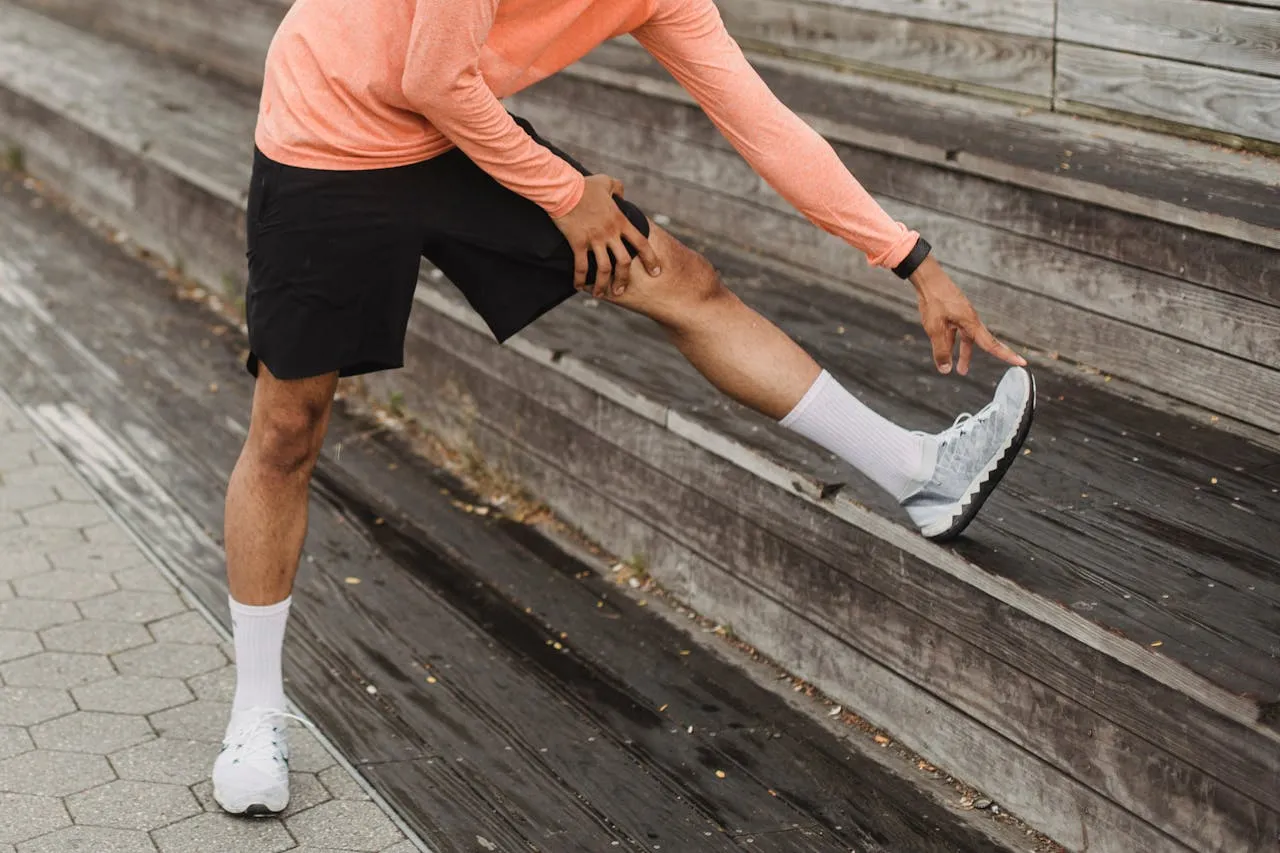

Athletic shorts shape comfort during workouts, sports, and daily movement. People wear athletic shorts for running, gym training, and outdoor games. Fabric choice changes sweat control, movement, and skin feel. Polyester and cotton dominate the market for athletic shorts. Each fabric behaves in a different way during physical activity. One supports performance, and the other supports comfort at rest.
Many people ask a simple question. Which fabric works better for athletic shorts during training? The answer depends on activity level and sweat output. Polyester fits active sports. Cotton fits relaxed use and light movement. This guide explains both fabrics in detail. It helps you choose the right athletic shorts for daily wear and training needs.
Polyester Athletic Shorts for Active Performance
Polyester athletic shorts use synthetic fibers. These fibers stay light and strong during movement. The fabric does not hold much water during exercise. Polyester dries fast after sweat exposure. This feature helps runners and gym users stay dry. Nike and Adidas use polyester in most performance athletic shorts. The fabric keeps shape after long use. It resists stretching during running, jumping, and weight training.
This helps athletes maintain steady comfort. Modern polyester athletic shorts use mesh zones. These zones increase airflow during movement. Air passes through small openings in the fabric. Polyester also supports strong color retention. Bright designs stay sharp after many washes. Sports teams prefer polyester uniforms for this reason. Do polyester athletic shorts improve workout performance? Yes, they reduce sweat weight and support faster movement during training sessions.
Cotton Athletic Shorts for Everyday Comfort
Cotton athletic shorts use natural fibers. These fibers feel soft on the skin. People choose cotton for relaxed wear and light activity. Cotton absorbs sweat fast. The fabric holds moisture inside its structure. This creates a heavy feel during exercise. Cotton suits walking, stretching, and home use. It supports comfort during rest periods and light movement.
Many people wear cotton athletic shorts during sleep and casual indoor time. The softness of cotton supports long wear without discomfort. Cotton allows air flow in dry conditions. The fabric breathes well before sweat builds up. Cotton shorts lose shape after repeated washing. The fibers relax and change form over time. This affects fit during long term use.
Sweat Control in Athletic Shorts
Sweat control plays a key role in fabric selection. Polyester athletic shorts move moisture away from skin. The fabric spreads sweat across the surface for quick drying. This fast drying keeps the body light during exercise. Runners and football players rely on this feature during training. Cotton behaves differently. It traps sweat inside fibers. This slows drying and increases fabric weight.
Heavy fabric reduces comfort during long workouts. Polyester avoids this issue by staying dry longer. Athletes who train for 60 minutes or more prefer polyester athletic shorts. The fabric supports steady performance during long sessions.
Breathability and Air Flow
Air flow affects body temperature during sports. Polyester athletic shorts use engineered weaves. These weaves create small air gaps for ventilation. Mesh panels increase cooling during movement. These panels appear in most modern sports designs.
Cotton also allows air flow. The fibers create open space for ventilation in dry conditions. Polyester keeps airflow stable during intense movement. Cotton slows airflow once it absorbs sweat. Hot weather training in cities like Mumbai increases sweat levels. Polyester athletic shorts perform better in such conditions.
Comfort and Skin Contact
Comfort depends on fabric texture and moisture balance. Polyester athletic shorts feel smooth on skin. The surface reduces friction during running and gym workouts. Modern blends soften polyester texture. This improves comfort during long training sessions.
Cotton feels natural and soft. It suits people who prefer gentle fabric during rest. Cotton works well for sensitive skin during low activity. Polyester works better during high movement. Which fabric feels better for athletic shorts during intense training? Polyester provides more stable comfort during heavy sweat and movement.
Odor Control and Hygiene
Odor builds when sweat stays on fabric for long periods. Polyester athletic shorts dry fast and reduce bacterial growth time. This reduces odor during repeated workouts in one day. Gym users prefer polyester for this reason. Some polyester athletic shorts include anti-odor treatment. These treatments support freshness during long sessions.
Cotton holds moisture longer. This increases odor development after workouts. Frequent washing becomes necessary for cotton shorts after heavy use. Polyester reduces washing frequency during active routines.
Durability and Long Term Use
Durability matters for people who train often. Polyester athletic shorts resist wear from stretching and friction. The fibers stay stable during running and weight lifting. Stitching holds shape after repeated use.
Cotton shorts wear out faster. The fibers break down after frequent washing. Shape changes after months of use. Outdoor sports increase fabric stress. Polyester handles rough movement on courts and tracks. Athletes who train five days per week prefer polyester athletic shorts for long term use.
Washing and Maintenance
Laundry care affects fabric life. Polyester athletic shorts dry fast after washing. The fabric resists wrinkles. Simple washing works well with polyester. Mild detergent supports long term fabric strength.
Cotton takes longer to dry. The fabric holds water after washing cycles. Cotton also wrinkles after drying. This requires ironing in some cases. Busy athletes prefer polyester athletic shorts for quick turnaround between workouts.
Sports Use Cases for Athletic Shorts
Different sports require different fabric behavior. Running demands light and dry fabric. Polyester athletic shorts support this need. Basketball requires fast movement and sweat control. Polyester works well during intense games.
Gym training produces heat and sweat. Polyester athletic shorts help manage both. Yoga and stretching need relaxed comfort. Cotton athletic shorts support slow movement. Hiking and outdoor sports need quick drying fabric. Polyester performs better in these conditions. Indoor lounging fits cotton athletic shorts due to soft texture.
Weather Impact on Fabric Choice
Weather changes fabric performance during activity. Hot weather increases sweat output. Polyester athletic shorts handle this with fast drying. Cotton absorbs sweat and becomes heavy in heat. This reduces comfort during long outdoor sessions.
Cool weather reduces sweat levels. Cotton works better in mild conditions. Polyester still performs well in cold weather training. The fabric layers easily under jackets and tracksuits. Weather plays a strong role in athletic shorts selection.
Skin Sensitivity and Fabric Choice
Skin sensitivity affects comfort during exercise. Cotton reduces irritation during low activity. The natural fibers feel gentle. Polyester blends improve softness in modern designs. These blends reduce rough texture during movement.
People with active skin reactions choose cotton for rest days. Polyester works better for sports sessions. Testing both fabrics helps users choose the right athletic shorts for their body response.
Cost and Value of Athletic Shorts
Cotton athletic shorts cost less at entry level. Basic designs remain affordable for daily wear. Polyester shorts cost more when they include sports features. Mesh zones and sweat control increase price.
Long term value depends on use frequency. Polyester lasts longer in sports environments. Cotton fits short term casual use. Users select based on budget and activity level.
Style and Appearance in Athletic Shorts
Polyester athletic shorts support modern sports style. Bright colors stay strong after washing. Printed designs stay sharp for long periods. Sports brands use polyester for team kits. Cotton shorts give a simple and relaxed look. The style fits home wear and casual outings. Athletic fashion trends favor polyester for performance clothing. Cotton stays in comfort clothing lines.
Athletic shorts selection depends on activity level and sweat output. High intensity workouts need polyester athletic shorts. The fabric stays dry and light during movement. Low intensity activities fit cotton athletic shorts. The fabric supports softness and rest comfort.
Gym training, running, and sports favor polyester. Walking and lounging favor cotton. Think about sweat levels, training time, and weather conditions. Match fabric choice to daily routine. The right athletic shorts improve comfort, movement, and overall training experience.




























Sign in to leave a comment.