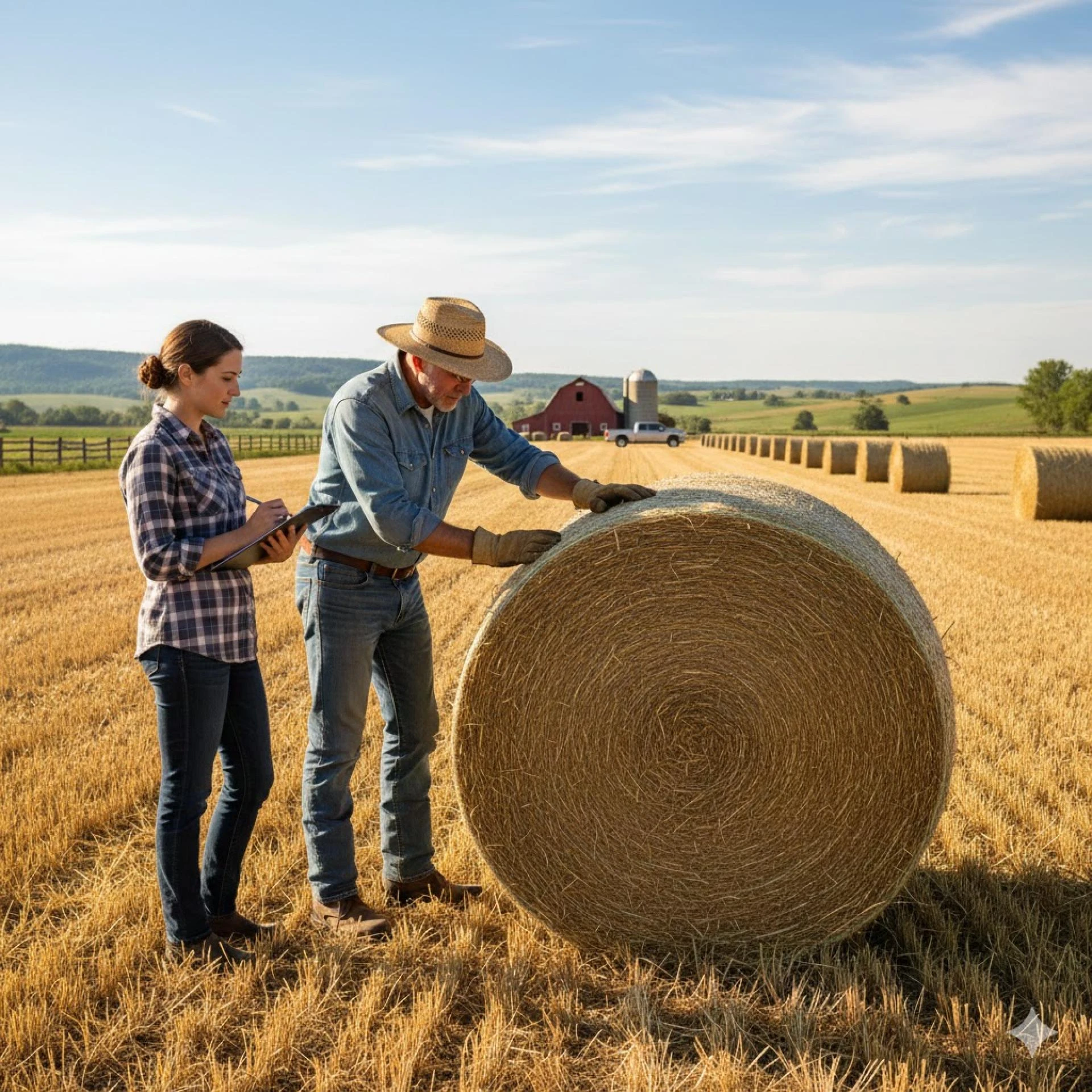
Hay plays an important role in livestock feeding across Australia, especially in Victoria where farming activities are widespread. For many farmers, horse owners, and rural property holders, finding reliable hay for sale in Victoria is essential for maintaining animal health throughout the year. Hay is commonly used when pasture growth is low or when consistent feed supply is required.
Victoria produces a wide range of hay varieties due to its diverse climate and agricultural regions. Buyers can usually find different types of hay depending on location, season, and market conditions. Understanding hay types, quality factors, and market trends can help buyers make better decisions.
Types of Hay Available in Victoria
When looking for hay for sale in Victoria, buyers will often come across several common varieties. Lucerne hay is widely used due to its high protein content and digestibility. It is popular among dairy farmers and horse owners who require quality nutrition.
Oaten hay is another common option. It is often used as a general-purpose feed and is suitable for cattle, sheep, and horses. Ryegrass hay is also available and is valued for its palatability and fibre content. Mixed pasture hay, which includes a combination of grasses and legumes, is often chosen as a cost-effective feeding option.
Each hay type has different nutritional benefits. Buyers should consider the livestock type, age, and feeding needs before choosing the right hay.
Understanding Hay Quality
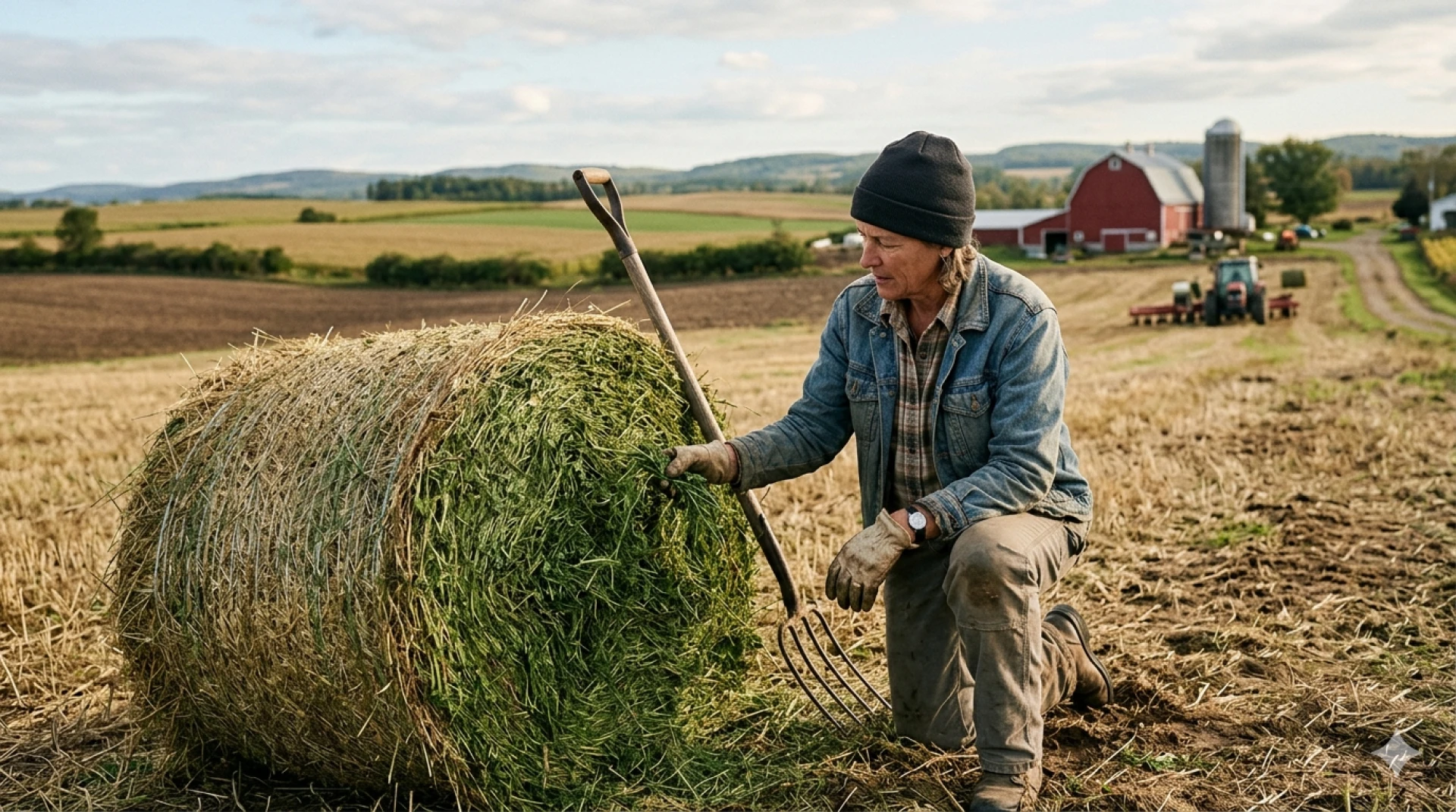
Quality is a major factor when buying hay. Good hay should have a fresh smell, minimal dust, and consistent colour. Excess moisture can lead to mould growth, which reduces nutritional value and can be harmful to animals.
Buyers should also check bale weight and density. Well-pressed bales are easier to transport and store. Storage conditions also matter, as poorly stored hay can lose quality quickly due to exposure to rain or humidity.
Hay Prices in Victoria
Monitoring hay prices in Victoria is important for managing farm expenses. Prices vary depending on supply, demand, and seasonal conditions. Weather plays a significant role in hay production. Dry seasons, droughts, or poor harvests can reduce supply, leading to higher prices.
In contrast, favourable rainfall and good growing conditions often increase hay availability, which can help keep prices stable. The type of hay also affects pricing. Premium lucerne hay typically costs more than pasture hay due to higher nutritional value and production costs.
Transport costs can further influence hay prices. Hay sourced from distant regions may be more expensive due to freight charges. Bulk purchases may sometimes offer better value, depending on the seller.
Seasonal Demand and Market Trends
Demand for hay in Victoria often increases during dry months when pasture growth slows. During these periods, competition among buyers can push prices higher. Farmers often plan their purchases in advance to avoid sudden price spikes.
Market trends may also shift based on livestock numbers, export demand, and regional feed shortages. Staying informed about market conditions helps buyers choose the right time to purchase hay.
Tips for Buying Hay in Victoria
Before purchasing hay, it is recommended to compare multiple sellers and listings. This helps buyers understand the current price range and avoid overpaying. Asking questions about cutting time, storage methods, and moisture content can provide useful insights into hay quality.
Inspecting hay in person is ideal whenever possible. If this is not feasible, requesting detailed photos or sample information can help. Buyers should also clarify delivery options and loading arrangements before finalising the purchase.
Building relationships with reliable sellers can be beneficial over time. Repeat buyers may gain access to consistent supply and early availability during high-demand periods.
Storage and Handling Considerations
Proper storage is essential to maintain hay quality after purchase. Hay should be stored in a dry, well-ventilated area to prevent moisture damage. Elevating bales off the ground and covering them with protective material can help extend shelf life.
Handling hay carefully reduces waste. Damaged or broken bales can result in feed loss and reduced value. Planning storage space in advance ensures smoother handling and feeding routines.
Planning Feed Requirements
Estimating feed requirements accurately helps reduce unnecessary costs. Overbuying hay can lead to storage issues, while underbuying may force purchases during peak pricing periods. Farmers often calculate feed needs based on livestock numbers, seasonal conditions, and pasture availability.
Having a feed plan allows buyers to track consumption and schedule purchases more efficiently. This approach supports better budget control and consistent livestock nutrition.
Conclusion
Finding dependable hay for sale in Victoria requires careful consideration of quality, pricing, and timing. With hay prices in Victoria influenced by seasonal conditions and market demand, staying informed helps buyers make smart decisions. By understanding hay types, monitoring market trends, and planning feed requirements, buyers can secure reliable feed supplies while managing costs effectively. Thoughtful purchasing and proper storage ensure hay remains a valuable resource for livestock throughout the year.




























Sign in to leave a comment.