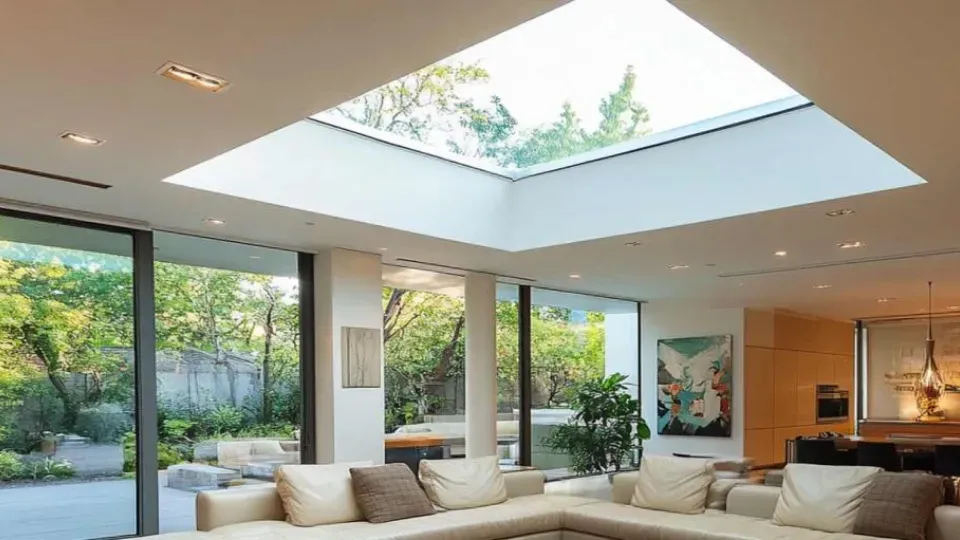

Interior design is no longer limited to selecting furniture and paint colours. Today, homeowners and designers focus on creating visually appealing, functional, and personalized spaces that reflect individual style. Two design elements that have gained significant popularity in recent years are the POP false ceiling and the use of texture in interiors. Together, they can transform ordinary rooms into sophisticated and inviting environments.
What is a POP False Ceiling?
A POP false ceiling is a secondary ceiling installed below the main structural ceiling using Plaster of Paris (POP). It is one of the most widely used ceiling solutions in residential and commercial interiors due to its versatility, affordability, and aesthetic appeal.
POP can be moulded into various shapes, patterns, and designs, allowing designers to create customized ceiling layouts. Whether it is a minimalist design for a modern apartment or an intricate pattern for a luxury home, POP false ceilings offer endless design possibilities.
Apart from enhancing visual appeal, POP false ceilings also serve practical purposes. They help conceal electrical wiring, air-conditioning ducts, and plumbing lines while improving thermal insulation and acoustic performance.
Why POP False Ceilings are Popular in Modern Homes
One of the key reasons behind the popularity of POP false ceilings is their ability to add depth and dimension to a room. A plain ceiling often goes unnoticed, but a thoughtfully designed false ceiling can become a striking focal point.
POP false ceilings also support various lighting options, including recessed lights, cove lighting, pendant fixtures, and LED strips. These lighting elements create layered illumination and enhance the overall ambience of a space.
Additionally, POP is lightweight, durable, and easy to maintain. It provides a smooth finish that complements different interior styles, from contemporary and industrial to traditional and luxury-inspired designs.
Understanding Texture in Interiors
While colour often receives the most attention in interior design, texture in interiors plays an equally important role in shaping the look and feel of a space.
Texture refers to the surface quality of materials and finishes. It can be visual, tactile, or both. Smooth marble, rough stone, exposed brick, wooden panels, fabric upholstery, and textured wallpapers all contribute to the overall texture of a room.
Texture creates visual interest by adding contrast and depth. Without texture, even a beautifully designed room can appear flat and uninspiring. By combining different materials and finishes, designers can create balanced and engaging interiors that feel warm and welcoming.
How Texture Enhances Interior Spaces
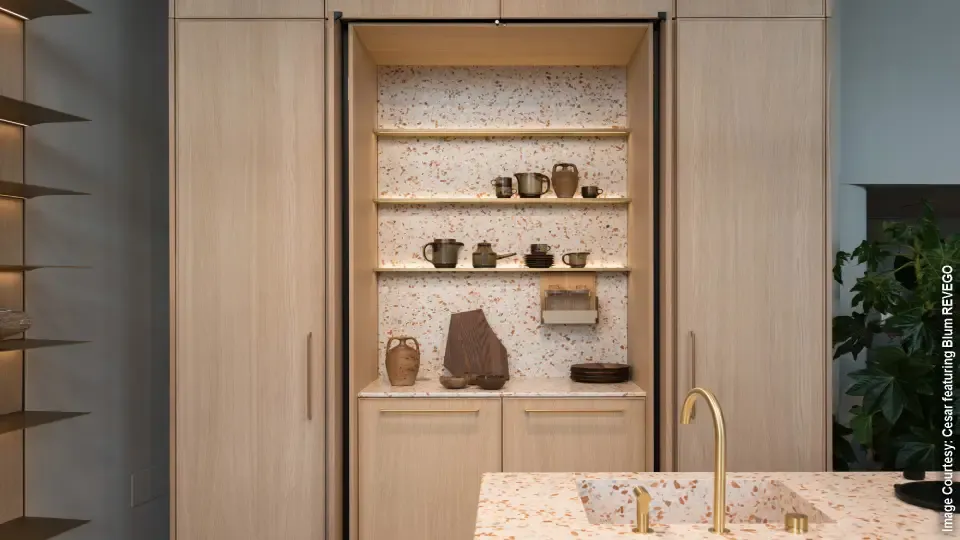
The strategic use of texture in interiors helps create a layered design that appeals to the senses. Soft fabrics such as velvet cushions and rugs add comfort, while natural materials like wood and stone introduce warmth and character.
Textured walls, decorative panels, and feature surfaces can also become statement elements within a room. These details help define spaces and create unique focal points without relying solely on bold colours or decorative accessories.
Furthermore, texture influences how light interacts with surfaces. Rough and patterned materials create shadows and depth, while smooth surfaces reflect light and make rooms feel brighter and more spacious.
Combining POP False Ceiling with Texture in Interiors
The true magic of interior design emerges when a POP false ceiling is paired with carefully selected texture in interiors. Together, they create a cohesive and visually dynamic environment.
For example, a modern living room can feature a geometric POP false ceiling with concealed LED lighting, complemented by textured wall panels and wooden flooring. This combination adds depth, elegance, and a sense of sophistication.
In bedrooms, curved POP ceiling designs can be paired with upholstered headboards, textured wallpapers, and soft fabrics to create a relaxing atmosphere. Similarly, commercial spaces can use textured finishes and innovative ceiling patterns to establish a distinctive brand identity.
The key is to maintain balance. Too many textures or overly complex ceiling designs can make a room feel cluttered. Designers often combine one statement ceiling with complementary textures to achieve harmony and visual appeal.
Design Tips for Better Results
When incorporating a POP false ceiling and texture in interiors, consider the size and purpose of the room. Lighter textures and simple ceiling designs work well in smaller spaces, while larger rooms can accommodate more elaborate patterns and layered finishes.
Lighting should also be planned carefully. Proper illumination highlights both ceiling details and textured surfaces, maximizing their visual impact.
Choosing a consistent design theme helps ensure all elements work together seamlessly. Whether the goal is a contemporary, rustic, luxury, or minimalist aesthetic, the ceiling and textures should complement the overall design vision.
Conclusion
A well-designed interior is a combination of form, function, and visual harmony. A POP false ceiling adds elegance, depth, and architectural interest, while the thoughtful use of texture in interiors brings warmth, character, and dimension to a space. Together, these design elements help create interiors that are not only beautiful but also comfortable and memorable. As modern design continues to evolve, the combination of POP ceilings and rich textures remains a timeless approach to enhancing residential and commercial spaces alike.


























Sign in to leave a comment.