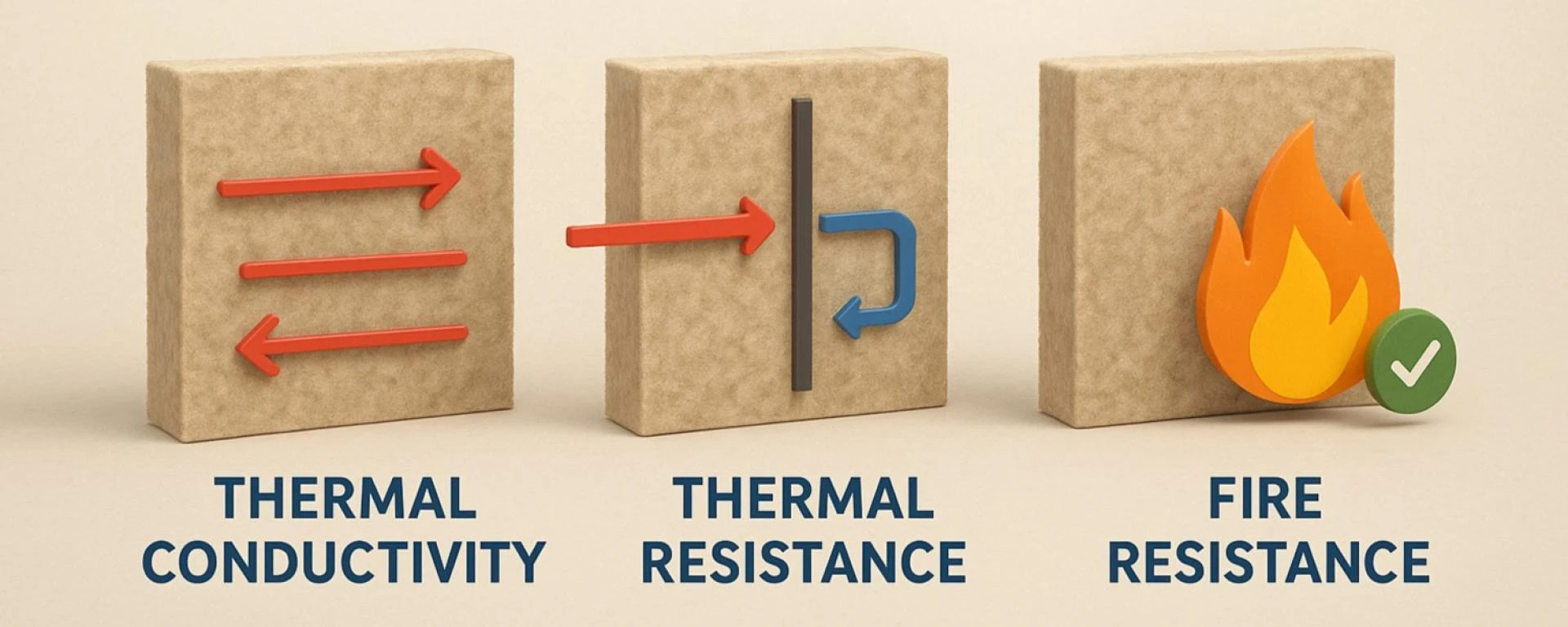

When constructing or renovating buildings, ensuring energy efficiency and safety are paramount. One of the key challenges in building construction is addressing thermal bridging and using fire-resistant materials. But how do these elements contribute to the overall safety and performance of a building?
In this article, we will explore the concepts of thermal bridging and fire resistant materials, how they impact building structures, and why it’s essential to consider both during the design and construction phases.
What is Thermal Bridging?
Thermal bridging occurs when a part of the building’s structure, such as a wall, floor, or roof, allows heat to pass through more easily than surrounding materials. This usually happens when there are conductive materials, such as metal, that bypass insulation and create a pathway for heat transfer. Thermal bridges are more common in buildings with poor insulation or where the materials used for insulation are not continuous.
In simpler terms, a thermal bridge is a part of the building that allows heat to flow through it, causing energy to escape. This leads to an increase in heating and cooling costs, as the HVAC systems need to work harder to maintain a comfortable indoor temperature.
Impact of Thermal Bridging
Thermal bridging can have several negative effects on both the building and its occupants:
- Energy Loss and Higher Utility Bills: The primary impact of thermal bridging is the loss of heat during winter and the gain of heat during summer. This forces heating and cooling systems to work harder, leading to higher energy consumption and increased utility bills.
- Condensation and Moisture Issues: Areas where thermal bridging occurs are often prone to condensation. As warm air inside the building meets the cold surface of the thermal bridge, moisture can form. Over time, this moisture can lead to mold growth, dampness, and potential structural damage.
- Comfort Levels: Thermal bridges often create cold spots within the building. These cold spots can make indoor spaces uncomfortable, particularly in areas like walls and ceilings.
How to Prevent Thermal Bridging
Preventing thermal bridging requires careful planning during construction and a focus on maintaining continuous insulation throughout the building. Here are some strategies to reduce thermal bridging:
- Use of Insulation: Ensure that insulation is continuous throughout the building. Using high-quality materials such as foam board insulation, mineral wool, or spray foam can prevent heat loss through gaps.
- Thermal Breaks: Installing thermal breaks, which are materials that reduce the transfer of heat, between structural components like steel or concrete and the insulation can help minimize thermal bridging.
- High-Performance Windows and Doors: Incorporating windows and doors with low U-values and high insulating properties can also help reduce heat transfer through the building envelope.
What are Fire-Resistant Materials?
Fire-resistant materials are substances that can withstand high temperatures or resist burning and combustion. These materials are often used in construction to protect structures, occupants, and assets in the event of a fire. Fire-resistant materials are commonly used for cladding, insulation, doors, windows, and other building components to increase the overall fire safety of the building.
Fire-resistant materials are categorized based on their performance in high-temperature conditions. For example, materials like concrete, brick, and fire-resistant glass can withstand fire for extended periods, while materials like wood, unless treated, are much more susceptible to burning quickly.
Importance of Fire-Resistant Materials in Construction
Using fire-resistant materials in construction is essential for ensuring the safety of the building's occupants. Fire can spread rapidly in unprotected areas, causing destruction and loss of life. Fire-resistant materials help to:
- Slow Down Fire Spread: Fire-resistant materials can contain fires within certain sections of the building, giving occupants more time to evacuate and allowing fire services to control the situation more effectively.
- Protect Structural Integrity: These materials help prevent the collapse of a building's structure during a fire. For example, steel can lose its strength at high temperatures, but when combined with fire-resistant coatings, it can retain its integrity for longer.
- Increase Building Resilience: Fire-resistant materials improve the overall fire resilience of a building, making it safer in the event of accidental fires, especially in multi-story buildings, industrial sites, or high-density housing.
How Thermal Bridging and Fire-Resistant Materials Relate
At first glance, thermal bridging and fire-resistant materials may seem like unrelated issues. However, they are both crucial components in ensuring a building’s energy efficiency and safety. In fact, they can have overlapping roles in a well-designed building:
- Fire Safety and Insulation: While focusing on thermal bridging to reduce heat loss, builders must also consider the fire resistance of materials used in insulation and structural elements. Insulation materials must not only be energy-efficient but also fire-resistant to prevent the spread of fire and offer maximum protection in case of an emergency.
- Thermal Bridging in Fire Protection: In the context of fire protection, thermal bridges could be areas where heat accumulates rapidly, potentially exacerbating the spread of fire. Ensuring a well-insulated building with fire-resistant materials helps in managing both energy loss and fire safety risks.
- Sustainable Design: Both preventing thermal bridging and using fire-resistant materials contribute to sustainability in construction. While reducing thermal bridging minimizes energy consumption, using fire-resistant materials ensures long-term protection and reduces the need for costly repairs or replacements following a fire.
Conclusion
Thermal bridging and fire-resistant materials are both critical aspects of modern building design. By effectively addressing thermal bridging, we can reduce energy loss, prevent moisture buildup, and maintain a comfortable indoor environment. Similarly, fire-resistant materials are essential for ensuring safety and protecting lives during a fire.
The most effective buildings are those that combine energy-efficient designs with safety standards. By carefully selecting materials that prevent thermal bridging while also prioritizing fire safety, we can create buildings that are not only energy-efficient but also resilient and secure.
Building designers and contractors must balance these two elements in their plans to ensure the highest levels of comfort, safety, and energy efficiency in the structures they create.


















Sign in to leave a comment.