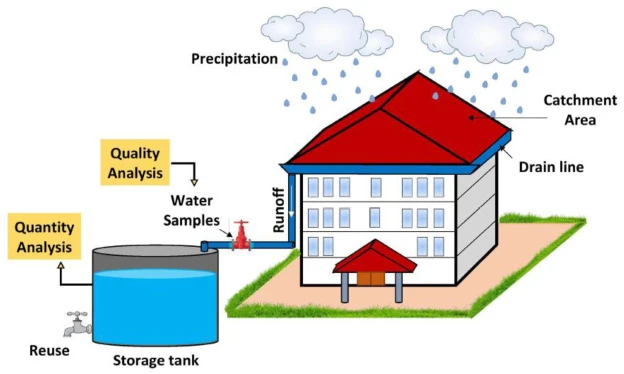

As the world grapples with the effects of climate change, sustainable living has never been more important. One of the key pillars of sustainability in modern construction is the effective management of resources. Water and energy are two of the most critical resources we consume, and finding ways to conserve them can make a significant difference in reducing our environmental footprint. Two solutions that have gained prominence in eco-friendly home design are rainwater harvesting systems and roof insulation materials. These systems not only help reduce resource consumption but also improve the overall efficiency of a home or building. In this blog, we will delve into how incorporating these systems can help you create a sustainable living environment.
The Power of Rainwater Harvesting System
Water scarcity is a growing concern worldwide, especially in regions facing prolonged dry spells and rapidly increasing urbanization. According to the United Nations, 2 billion people live in countries experiencing high water stress, making water conservation a critical aspect of sustainable living. Rainwater harvesting offers an innovative and practical solution to address water shortages and reduce dependency on municipal water systems.
Rainwater harvesting involves collecting rainwater from surfaces like rooftops, filtering it, and storing it for various uses. This collected water can serve a variety of purposes, from irrigation and landscape watering to laundry and flushing toilets. In some cases, with appropriate filtration and treatment, rainwater can even be used for drinking and cooking.
Key Benefits of Rainwater Harvesting Systems:
- Water Conservation: By collecting and reusing rainwater, you are reducing your reliance on freshwater resources, which can be especially valuable during dry periods.
- Cost Savings: With reduced dependence on municipal water, homeowners can significantly lower their water bills.
- Environmental Impact: Reducing the demand on local water systems helps prevent water shortages and can support local ecosystems.
- Emergency Water Supply: Having a rainwater collection system in place can provide a valuable backup water source during emergencies or disruptions in the local water supply.
Roof Insulation: A Vital Component of Energy Efficiency
In addition to water conservation, managing energy use is another crucial aspect of sustainable living. One of the most effective ways to enhance the energy efficiency of a building is by installing roof insulation materials. Roof insulation helps to regulate the temperature inside a home by minimizing heat transfer between the interior and exterior. This simple addition can make a world of difference in reducing your home's energy consumption.
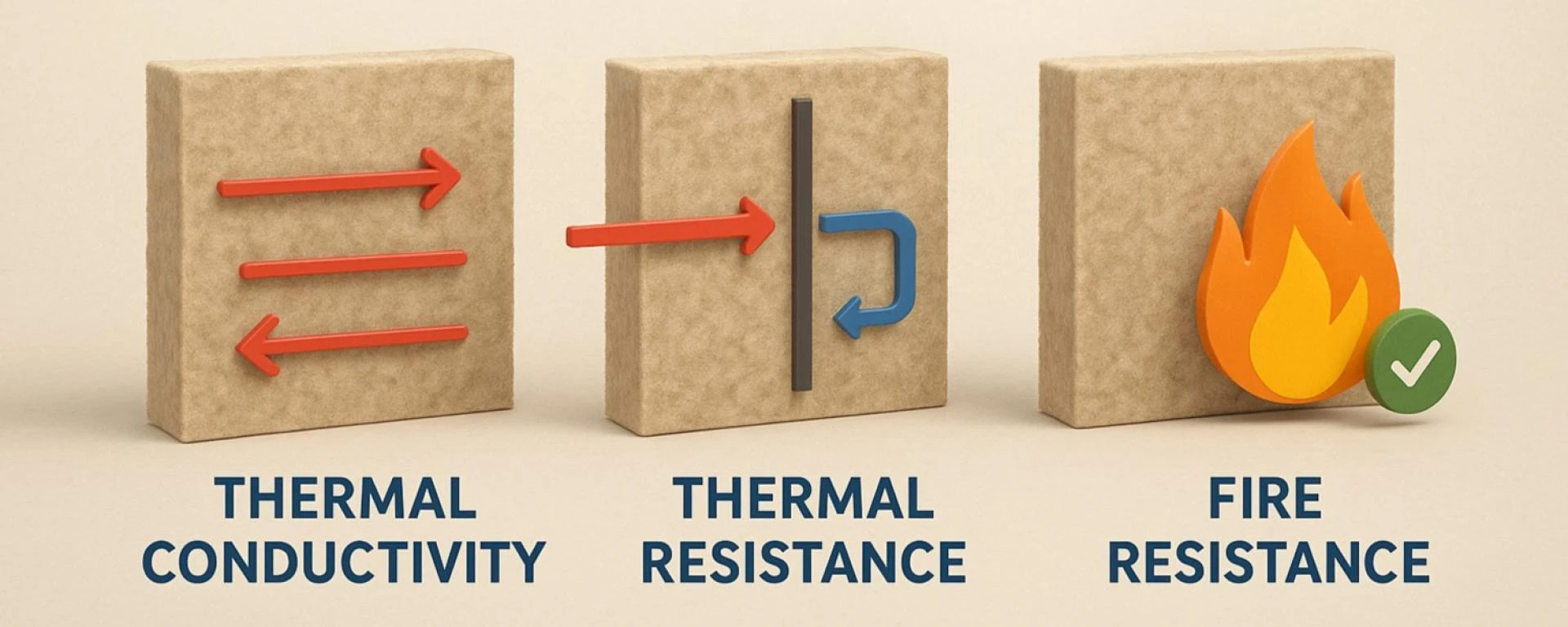
Roof insulation materials work by creating a thermal barrier that reduces heat loss in the winter and prevents excessive heat from entering in the summer. This helps reduce the need for heating and cooling systems, which are typically the largest consumers of energy in a home. Insulation also helps to maintain consistent temperatures in indoor spaces, making your home more comfortable year-round.
Key Benefits of Roof Insulation Materials:
- Energy Savings: Proper roof insulation can reduce heating and cooling costs by up to 50%, making your home more energy-efficient.
- Increased Comfort: Insulated homes maintain a more consistent indoor temperature, reducing drafts and hot spots, which enhances overall comfort.
- Reduced Carbon Footprint: By using less energy for heating and cooling, roof insulation helps reduce greenhouse gas emissions, contributing to a more sustainable environment.
- Extended Roof Lifespan: Insulation protects your roof from extreme temperature fluctuations, which can help prolong its lifespan and reduce maintenance costs.
How Rainwater Harvesting and Roof Insulation Work Together
While rainwater harvesting and roof insulation might seem like two separate systems, they actually complement each other in promoting sustainability. The combination of these two technologies can create a more efficient and eco-friendly living environment by addressing both water and energy consumption.
- Improved Water Quality and Storage: Roof insulation helps maintain a stable temperature, preventing rainwater from becoming too warm and reducing the risk of bacteria growth in the stored water. It also minimizes the chance of heat-induced evaporation from the storage tanks, ensuring that the harvested rainwater remains usable for longer periods.
- Reduced Energy Consumption: Roof insulation plays a vital role in reducing the energy required for pumping and storing water in rainwater harvesting systems. By improving the overall energy efficiency of your home, insulation helps lower the energy consumption of the water pump, making your rainwater harvesting system more cost-effective.
- Sustainable Building Design: Together, these systems create a sustainable building design that reduces reliance on both external water and energy resources. This can be especially beneficial for new homes and buildings seeking to meet energy-efficient certification standards or aiming for net-zero energy consumption.
Choosing the Right Materials for Maximum Efficiency
Selecting the right materials for both your rainwater harvesting system and roof insulation is essential to achieving optimal performance.
For Rainwater Harvesting:
- Roof Materials: The type of roofing material you use can affect the quality of collected rainwater. Smooth, non-porous roofing materials such as metal or tiles are ideal for collecting rainwater, as they prevent contamination and allow for easy cleaning.
- Filtration and Storage: Choosing the right filters and storage tanks is critical to ensuring the cleanliness and safety of the collected water. Proper filtration removes debris, leaves, and contaminants, while durable storage tanks prevent algae growth and other water quality issues.
For Roof Insulation:
- Fiberglass Insulation: An affordable and effective option for keeping your home cool in summer and warm in winter. It also provides good noise insulation.
- Foam Board Insulation: Ideal for areas that require high thermal resistance, foam boards are particularly useful for hot climates and large roof areas.
- Reflective Coatings: Best for hot climates, reflective coatings reduce heat absorption by reflecting sunlight away from the roof surface.
- Spray Foam Insulation: Provides excellent coverage and is ideal for irregular-shaped roofs or spaces where air leaks are a concern.
Conclusion
Combining rainwater harvesting systems and roof insulation materials is an excellent strategy for homeowners looking to reduce their environmental impact while increasing efficiency and comfort. These two systems work together to conserve precious water resources, save energy, and create a more sustainable and comfortable living space. Whether you’re building a new home or retrofitting an existing one, investing in both rainwater harvesting and roof insulation can yield long-term financial savings and make a significant contribution to environmental conservation. Sustainable living isn’t just a trend—it’s the future, and with these technologies, you can be part of the solution.























Sign in to leave a comment.