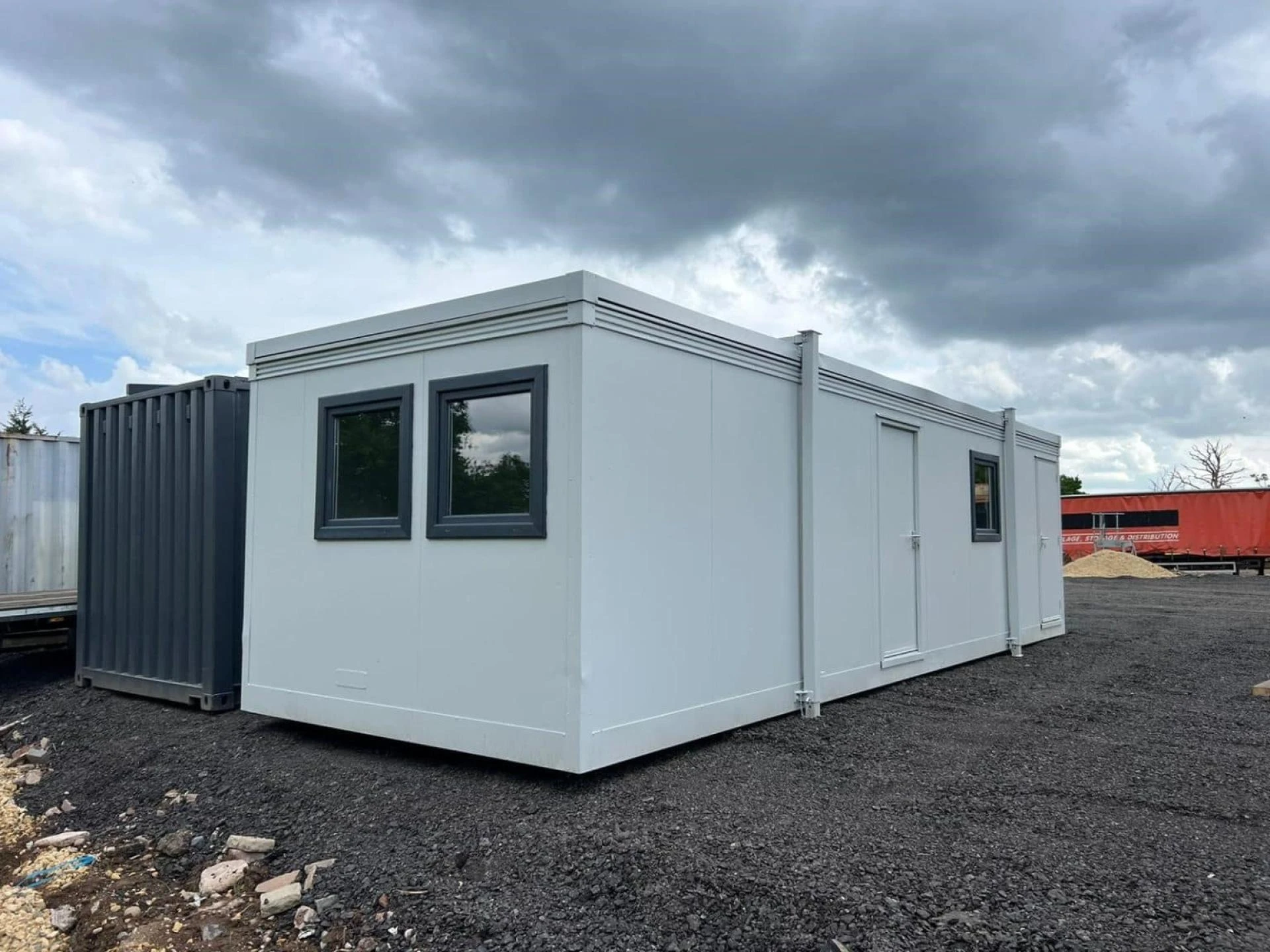

The demand for flexible, affordable, and sustainable building solutions has grown significantly in recent years. Among the most popular options are portable cabins, which provide versatile spaces suitable for both remote locations and bustling urban environments. These cabins offer quick installation, customizable features, and practical designs, making them ideal for businesses, institutions, and communities looking to expand or adapt facilities.
This article explores how portable cabins serve different needs across remote and urban sites, their unique benefits, and the future role they will play in shaping modern infrastructure.
The Versatility of Portable Cabins
A Solution for Every Environment
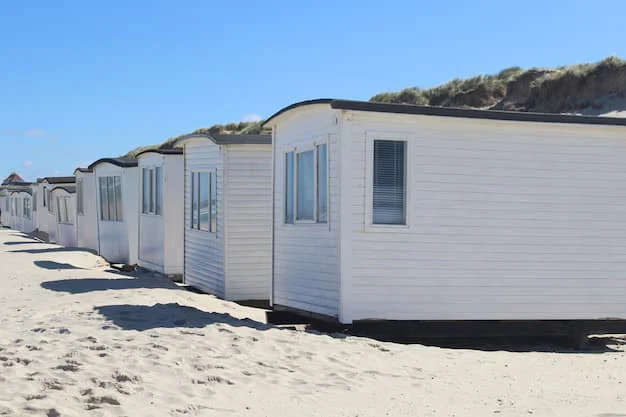
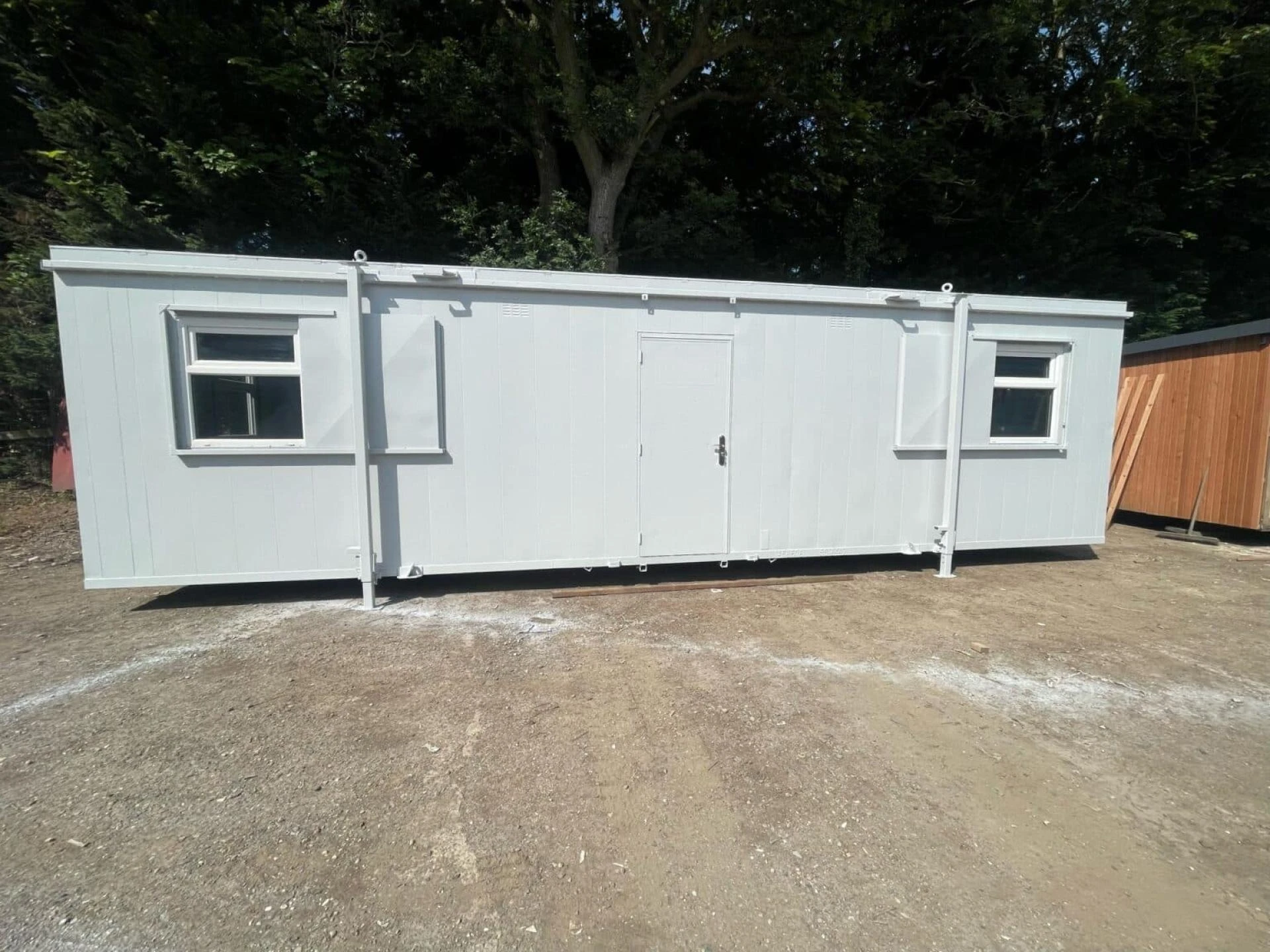
Portable cabins are prefabricated structures designed to be easily transported and installed. Their modular nature allows them to be tailored for various purposes, including offices, classrooms, medical units, and living spaces. Whether placed on construction sites in remote areas or within dense city centers, they adapt seamlessly to different environments.
Shifting Perceptions of Temporary Spaces
Traditionally viewed as temporary, portable cabins are now being embraced as reliable long-term solutions. Advances in design and materials have enhanced durability, comfort, and aesthetics, making them comparable to conventional buildings.
Portable Cabins in Remote Sites
Meeting Infrastructure Challenges
Remote sites often face infrastructure barriers such as limited access to construction materials, skilled labor, and utilities. Portable cabins overcome these challenges by being prefabricated off-site and quickly assembled upon delivery, significantly reducing logistical difficulties.
Ideal for Mining, Energy, and Construction Projects
Industries operating in remote areas frequently rely on portable cabins as site offices, accommodation, or medical units. Their mobility allows them to move with projects as operations expand to new locations.
Supporting Remote Communities
Portable cabins are also beneficial for delivering essential services to underserved communities. They can serve as mobile clinics, schools, or emergency shelters, improving accessibility to vital resources in isolated regions.
Portable Cabins in Urban Sites
Space-Efficient Building Solutions
In cities where real estate is costly and limited, portable cabins provide a practical way to create new spaces without extensive construction. They are often used as temporary offices, retail outlets, or additional classrooms in growing urban schools.
Pop-Up Retail and Hospitality
The flexibility of portable cabins has made them popular for pop-up shops, cafés, and restaurants in urban areas. Their mobility allows businesses to test new markets and locations without committing to expensive leases.
Affordable Urban Housing
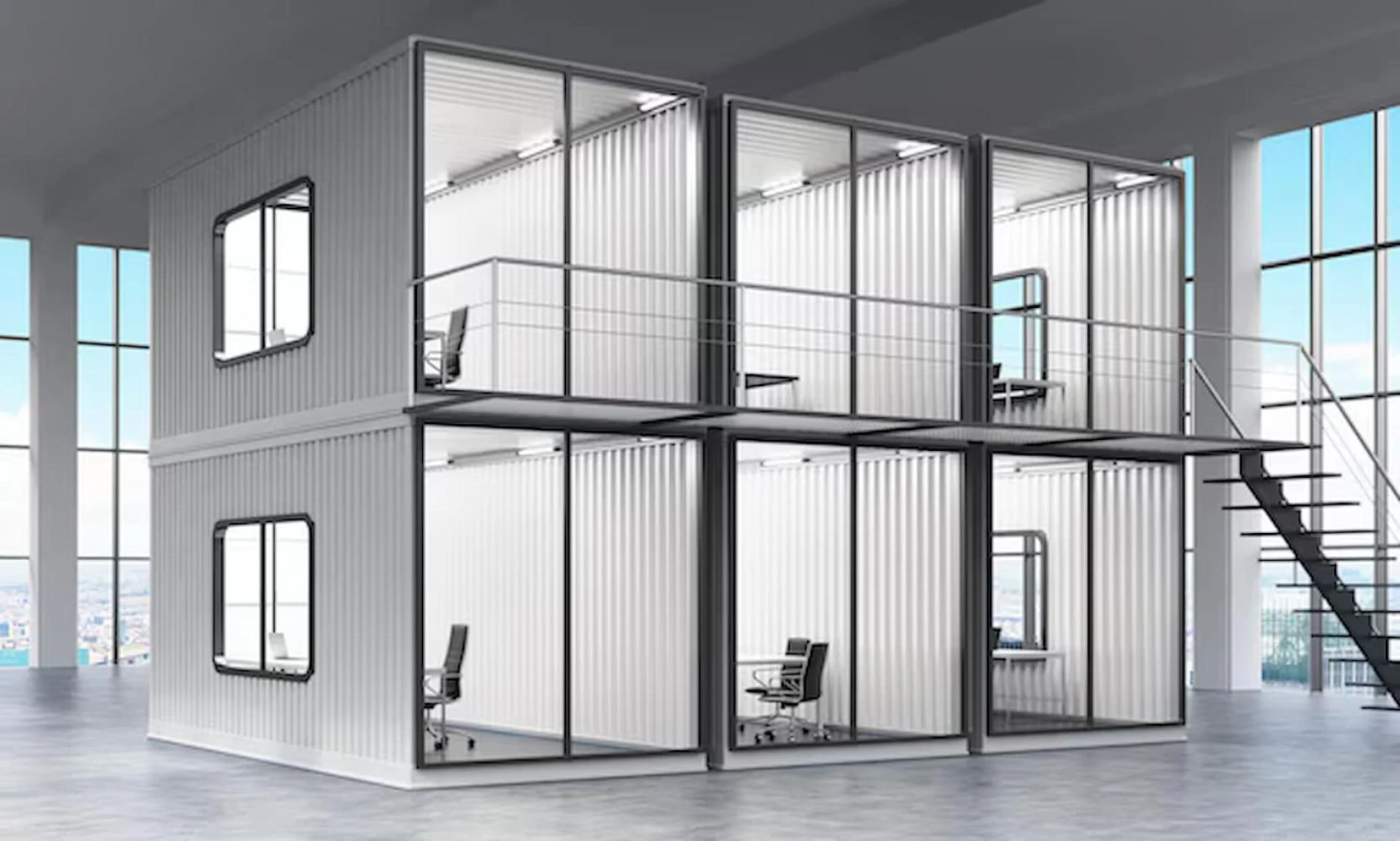
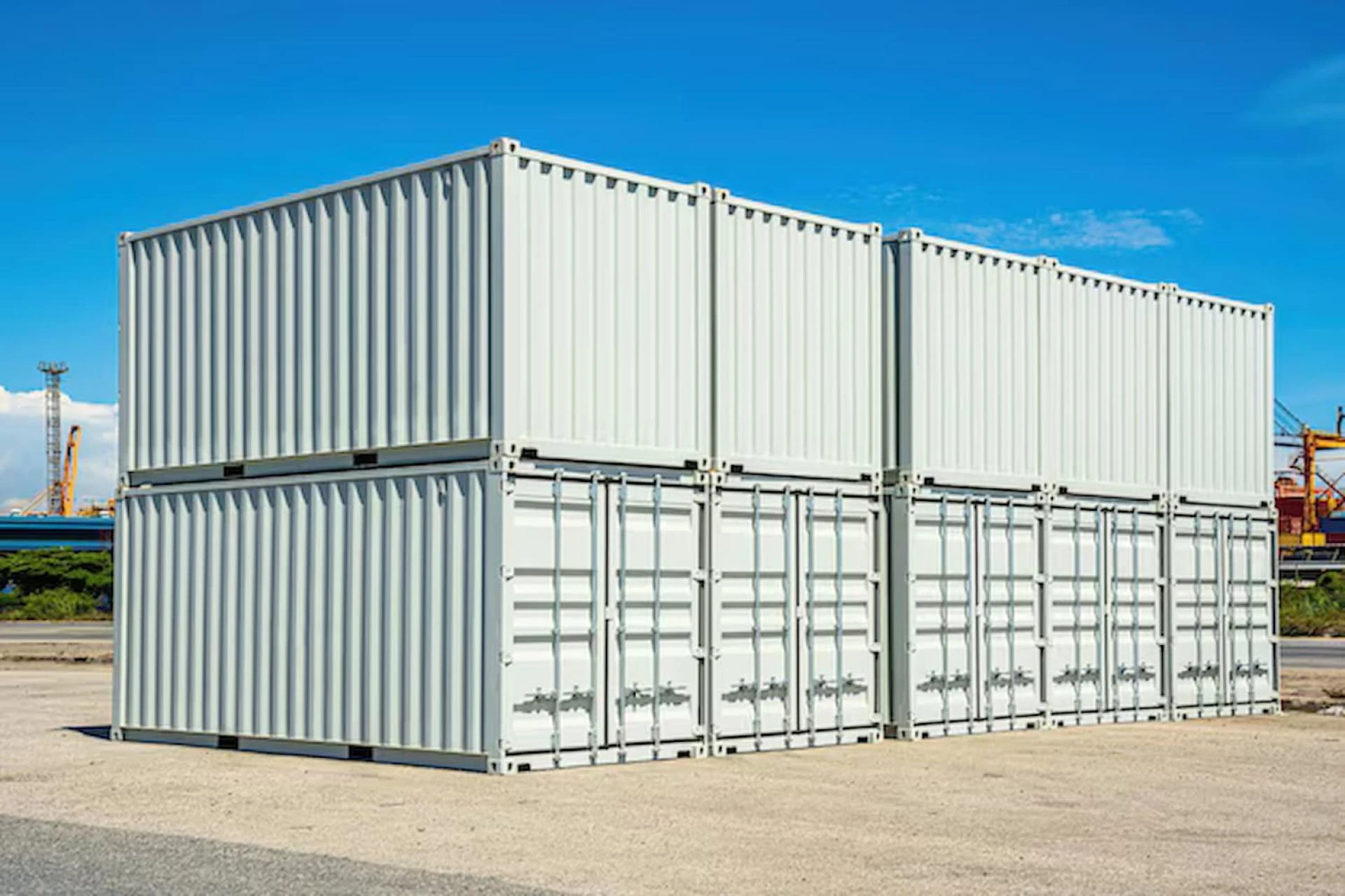
As housing shortages continue to challenge many cities, portable cabins are being designed as modular housing units. These can be stacked or combined to create multi-unit living spaces that are affordable and efficient.
Benefits of Portable Cabins
Speed of Installation
Portable cabins can be delivered and installed in a fraction of the time required for traditional construction. This is particularly valuable in both remote areas with urgent infrastructure needs and urban sites where disruption must be minimized.
Cost-Effectiveness
Compared to permanent buildings, portable cabins offer a more affordable solution, requiring lower upfront investment and reduced maintenance costs.
Flexibility and Mobility
One of the key strengths of portable cabins is their ability to be relocated and repurposed. This ensures maximum use of investment while adapting to changing needs.
Sustainability Features
Many modern portable cabins are constructed with eco-friendly materials and include energy-efficient designs. Features such as solar panels, water recycling systems, and advanced insulation make them suitable for sustainable development goals.
Technological Advancements in Portable Cabins
Smart Infrastructure
Future portable cabins are increasingly being integrated with smart technology, offering automated lighting, climate control, and advanced security systems.
Renewable Energy Integration
Solar power, wind energy, and rainwater harvesting are being incorporated into cabin designs to ensure self-sufficiency, especially in off-grid remote sites.
Hybrid Work and Digital Connectivity
With the rise of remote and hybrid work models, portable cabins are now being used as adaptable office spaces equipped with high-speed internet and modern communication tools.
Future Outlook for Portable Cabins
Growth in Remote Applications
As industries continue to expand into remote regions for resource development and infrastructure projects, portable cabins will play an essential role in supporting workers and communities.
Expansion in Urban Settings
In urban areas, the use of portable cabins will increase in sectors such as retail, education, and housing. Their adaptability and affordability make them a sustainable solution for rapidly growing populations.
Role in Emergency and Disaster Response
The ability to rapidly deploy portable cabins ensures they will remain vital in humanitarian aid, providing shelter, healthcare, and essential services during crises.
Best Practices for Using Portable Cabins
Prioritize Comfort and Safety
When selecting or designing portable cabins, it is essential to focus on proper ventilation, insulation, and ergonomic layouts to ensure a safe and comfortable environment.
Plan for Scalability
Portable cabins should be chosen with future expansion in mind, allowing for modular connections and easy upgrades.
Invest in Durable Materials
To maximize return on investment, selecting cabins made from high-quality, weather-resistant materials ensures longevity and reduced maintenance needs.
Conclusion
Portable cabins have evolved from being temporary solutions into essential components of modern infrastructure. Whether supporting industries in remote locations or providing efficient spaces in urban centers, they are redefining the way people work, live, and access services. With ongoing advancements in technology and sustainable design, their role in future construction and community development will only expand.
For those seeking reliable and innovative space solutions, Halletts Spaces offers expertise in creating high-quality portable cabins tailored to meet diverse needs in both remote and urban environments.

























Sign in to leave a comment.