

Choosing between portable vs fixed installation generators depends largely on how, where, and how frequently backup power will be required. While portable generators are designed around mobility and flexible deployment, fixed generators are generally selected for permanent or long-term standby power applications where reliability, capacity, and site integration are more important.
For commercial facilities, industries, hospitals, construction sites, offices, residential complexes, and institutions, understanding this difference is particularly important when diesel generators are part of the site's emergency or backup-power strategy. The right generator configuration can influence installation requirements, operating convenience, maintenance planning, emissions management, and long-term ownership costs.
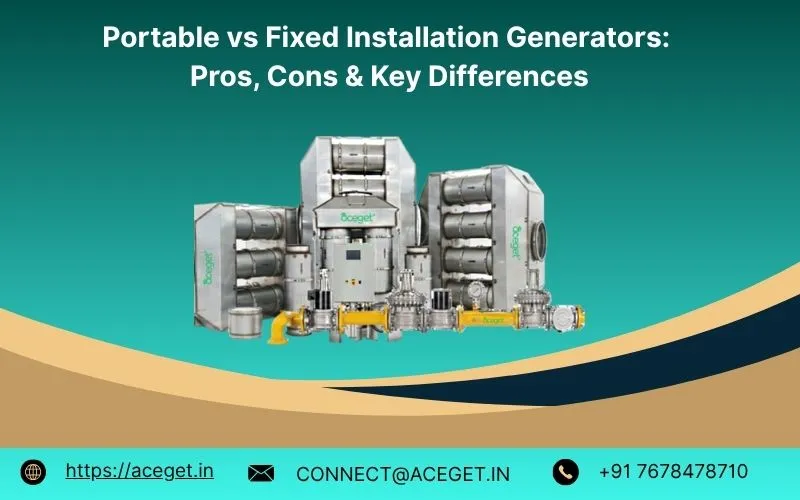
Portable Generators: Flexibility Comes First
A portable generator is primarily valued for its ability to be moved between locations. This characteristic makes it useful for temporary power requirements, construction activity, outdoor operations, events, maintenance work, and situations where a permanent generator installation is not practical. Because the equipment can be relocated, organizations do not necessarily need to dedicate a permanent generator room or installation area. A contractor, for example, may use a portable DG set at one project site and subsequently move it to another location when the project is completed.
However, portability also comes with limitations. Temporary positioning requires careful attention to ventilation, exhaust routing, fuel storage, electrical connections, weather protection, noise, and safe operation. Moving a generator frequently does not eliminate the need for proper installation practices. For businesses requiring uninterrupted backup power at one fixed location, the advantages of portability may therefore have relatively little value.
Fixed Generators Are Designed Around the Site
A fixed generator takes a very different approach. It is installed at a predetermined location and integrated into the site's electrical and operational infrastructure. Commercial buildings and industrial facilities commonly prefer fixed installations when a generator is expected to remain available for years. The installation can be planned around the building's electrical distribution system, automatic transfer arrangements, fuel system, ventilation, acoustic requirements, exhaust arrangement, and maintenance access.
The generator itself becomes part of the facility's infrastructure rather than a piece of equipment that is periodically moved. This arrangement can be particularly useful for facilities where backup power is a critical requirement. Hospitals, data centers, manufacturing facilities and large commercial buildings may have little tolerance for the delays or logistical challenges associated with relocating temporary equipment.
Installation Requirements Can Change the Economics
The initial cost comparison between portable and fixed generators can sometimes be misleading. A portable unit may appear simpler because it does not require the same level of permanent infrastructure. But repeated transportation, temporary electrical connections, fuel handling, setup and removal can introduce operational costs over time.
A fixed generator generally requires greater planning and installation investment at the beginning. Foundation work, exhaust arrangements, cabling, ventilation, fuel systems, control integration and acoustic measures may all contribute to the project cost. Once installed, however, the fixed system can provide a more predictable operating environment. For a facility that expects to use backup generation for many years, this long-term infrastructure can justify the higher initial installation effort.
Capacity and Application Make a Major Difference
Portable generators are often associated with relatively flexible, temporary applications, although the exact available capacities vary widely by manufacturer and configuration. Fixed diesel generators, meanwhile, can be designed for substantially larger commercial and industrial loads. The choice should therefore begin with the site's actual power requirement rather than the generator's physical format.
A small construction project might benefit from a generator that can move as work progresses. A manufacturing facility with heavy electrical loads may instead require a permanently installed generator with carefully engineered load management and electrical integration. The duty cycle also matters. A generator used for occasional emergency backup has different requirements from one expected to operate for extended periods.
Fuel, Noise and Environmental Considerations
Both portable and fixed diesel generators produce exhaust emissions, so environmental considerations cannot be ignored simply because a generator is temporary or mobile. A fixed installation generally provides more opportunity to engineer the exhaust system, ventilation and emissions-control equipment around a defined location. A portable installation requires the same fundamental attention to safe exhaust discharge and environmental considerations while also accounting for the possibility that the generator will operate at different locations.
Noise can be another important distinction. Construction sites and temporary operations may have different acoustic requirements from hospitals, residential complexes or corporate campuses. A fixed generator can be incorporated into a purpose-designed enclosure or acoustic arrangement, while portable equipment may require different measures depending on the deployment environment. Local environmental and operating requirements should always be checked for the specific site.
Where RECD Becomes Relevant
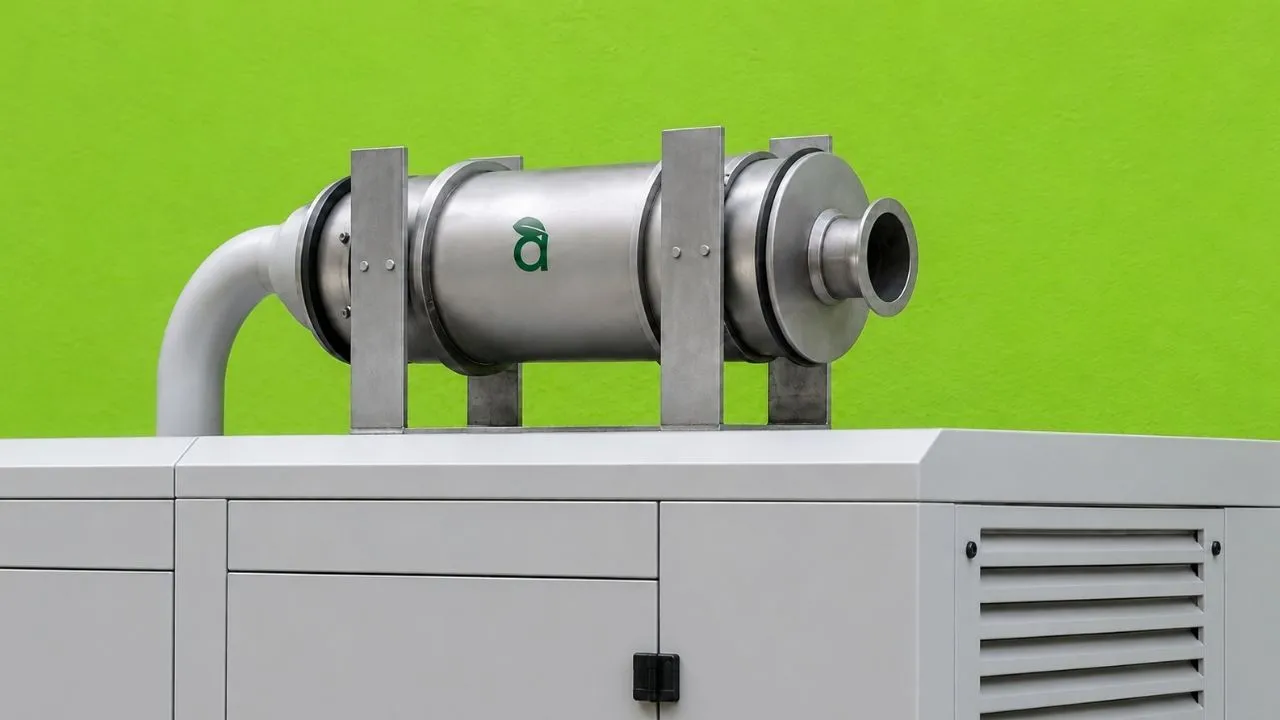
The emissions-control question becomes particularly important when an existing diesel generator continues to be used over the long term. Instead of considering only the generator's physical location, owners should also consider the age, engine configuration, operating hours and applicable emission requirements. Aceget manufactures retrofit emission-control solutions for in-use DG sets across a range of capacities. Its published product range includes RECD systems from 25 kVA to 1000 kVA, with technologies such as Diesel Oxidation Catalyst (DOC) and Diesel Particulate Filter (DPF) used according to the applicable system configuration.
This is where selecting an experienced RECD manufacturer in India can become relevant for organizations operating older fixed diesel generators. A technically appropriate retrofit solution needs to be matched to the generator's capacity, exhaust characteristics and operating conditions rather than selected solely by price. For a portable generator, retrofit feasibility can similarly depend on its physical configuration and intended operating environment. A technical assessment should be carried out before assuming that a particular emissions-control system is suitable.
CPCB Requirements Should Be Checked for the Actual Generator
Generator selection and emissions management should not be based on generic statements about compliance. The applicability of environmental requirements can depend on generator characteristics, manufacturing period, capacity, location and the regulatory framework in force. Requirements may also change over time.
Aceget's published RECD information describes its retrofit systems as designed for in-use diesel generators and references CPCB-related requirements and testing. However, buyers should independently verify the current requirements applicable to their particular DG set with the Central Pollution Control Board and relevant local authorities before making a compliance-related decision. This is especially important when deciding whether an existing generator can continue operating with a retrofit system or whether another technical or regulatory solution is required.
Which Generator Is Better for a Business?
There is no universal winner between portable and fixed generators. Their advantages come from different operating philosophies. A portable generator is attractive when flexibility is the priority. Construction companies, temporary facilities, event organizers and mobile operations may benefit from equipment that can be transported as requirements change.
A fixed generator is generally more appropriate when power backup is a permanent requirement at a defined location. Businesses that depend on predictable emergency power may value permanent electrical integration, dedicated infrastructure and easier long-term planning. The best choice should therefore be based on expected operating hours, required capacity, mobility requirements, site conditions, installation budget and long-term power strategy.
Looking Beyond the Purchase Price
The generator's purchase price is only one part of its total cost of ownership. A meaningful evaluation should consider installation, fuel consumption, maintenance, transportation where applicable, downtime, replacement parts, emissions-control requirements and expected service life. For portable generators, transportation and repeated setup can become important over an extended period. For fixed generators, the initial infrastructure investment may be larger but can provide long-term operational advantages.
The emissions-control strategy should also be considered early rather than after installation. If an existing diesel generator is expected to remain operational for many years, understanding the available retrofit options can help the owner plan future maintenance and environmental investments more effectively.
Conclusion
The portable-versus-fixed decision ultimately comes down to the relationship between mobility and permanence. If electricity is required at changing locations or for temporary activities, portability can provide valuable flexibility. If the generator is supporting a permanent facility where dependable backup power is essential, a fixed installation may provide a more practical long-term solution. Whichever configuration is selected, generator capacity, operating conditions, ventilation, exhaust management, maintenance requirements and applicable environmental rules should be considered together. For existing diesel generators, emissions-control requirements can also influence the long-term operating strategy.
Frequently Asked Questions
What is the main difference between portable and fixed generators?
A portable generator is designed to be moved between locations, while a fixed generator is permanently installed at a particular site and integrated into the facility's power infrastructure.
Are portable generators better for construction sites?
They can be useful for construction and temporary projects because they can move as the work location changes. The generator still needs proper ventilation, exhaust management, electrical connections and safe operating arrangements.
Are fixed generators better for commercial buildings?
For many permanent commercial applications, fixed generators can be more practical because they can be integrated with the building's electrical system and dedicated infrastructure. The appropriate configuration depends on the facility's power requirements.
Can an existing diesel generator be fitted with RECD?
Some existing DG sets can be suitable for retrofit emission-control systems, but suitability depends on factors such as generator capacity, engine characteristics, exhaust configuration and applicable requirements. A technical evaluation should be completed before installation.
Does every generator installation automatically comply with CPCB requirements?
No. Compliance depends on the requirements applicable to the specific generator and installation. Current CPCB requirements and any relevant local regulations should be verified directly before making a compliance-related decision.

























Sign in to leave a comment.