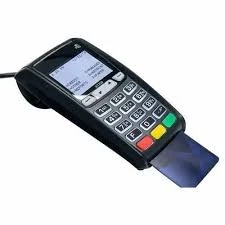
In today's fast-paced world, efficient transaction systems are essential for businesses to thrive. POS machines (Point of Sale machines) are at the forefront of this evolution, transforming how businesses manage sales, inventory, and customer interactions. From retail outlets to restaurants, these devices play a critical role in streamlining operations and enhancing the customer experience.
What Are POS Machines?
A POS Machine is an electronic device used to process payments and record transactions. It connects seamlessly with software systems to perform functions such as billing, payment acceptance, and data storage. Over the years, POS machines have evolved from simple cash registers to sophisticated tools equipped with advanced features like contactless payments, inventory management, and sales reporting.
Types of POS Machines
- Traditional POS Machines
- These machines are typically found in retail stores and restaurants. They include a combination of hardware like barcode scanners, receipt printers, and card readers.
- Mobile POS (mPOS)
- Compact and portable, mPOS devices connect to smartphones or tablets via Bluetooth or USB. They are ideal for businesses requiring mobility, such as food trucks or pop-up shops.
- Integrated POS Systems
- These machines combine hardware and software into a unified solution. They are often used in large-scale operations like supermarkets, offering advanced functionalities like inventory tracking and customer relationship management.
- Smart POS Machines
- Equipped with touchscreens and internet connectivity, these devices support various payment methods, including QR codes, UPI, and NFC-based payments.
Key Features of POS Machines
- Multiple Payment Options
- POS machines support cash, card, and digital wallet payments, catering to diverse customer preferences.
- Inventory Management
- Advanced POS systems track stock levels in real-time, helping businesses prevent overstocking or shortages.
- Sales Reporting
- POS machines generate detailed sales reports, providing insights into peak sales periods and popular products.
- User-Friendly Interfaces
- Modern POS machines feature intuitive interfaces, making them easy to operate for employees with minimal training.
- Secure Transactions
- Equipped with encryption and secure payment gateways, these devices ensure customer data is protected during transactions.
Advantages of Using POS Machines
- Efficiency in Transactions
- POS machines reduce checkout times, allowing businesses to serve customers faster.
- Enhanced Customer Experience
- Offering multiple payment methods and quick processing improves overall customer satisfaction.
- Accurate Record Keeping
- POS systems automatically record every transaction, minimizing errors and aiding financial audits.
- Better Business Insights
- Sales data generated by POS machines provides valuable insights into consumer behavior and purchasing trends.
- Scalability
- POS machines can be tailored to suit businesses of any size, from small kiosks to large retail chains.
Industries That Benefit from POS Machines
- Retail
- Retail businesses use POS machines to manage sales, inventory, and customer loyalty programs efficiently.
- Restaurants and Cafes
- POS systems streamline order management, table reservations, and payments, ensuring smooth operations.
- Healthcare
- Pharmacies and clinics leverage POS machines for accurate billing and inventory control of medicines.
- E-commerce Fulfillment
- POS machines integrated with online platforms enable seamless order processing and payment management.
- Hotels and Hospitality
- From room bookings to restaurant billing, POS machines simplify multiple facets of guest services.
How to Choose the Right POS Machine
Selecting the right POS machine for your business depends on factors like:
- Business Type: Retail stores may need barcode scanners, while restaurants might prioritize order management features.
- Payment Needs: Look for devices that support all popular payment methods, including digital wallets and NFC.
- Ease of Use: Opt for systems with intuitive interfaces and robust customer support.
- Scalability: Choose a system that can grow with your business as sales volumes increase.
- Integration Capabilities: Ensure the POS machine can integrate with your existing software and hardware.
Future Trends in POS Machines
The world of POS machines is continuously evolving with new technologies. Key trends include:
- Cloud-Based POS Systems: Providing remote access to sales and inventory data, enabling businesses to manage operations from anywhere.
- AI Integration: AI-powered POS systems can predict customer preferences, optimize inventory, and personalize promotions.
- IoT Connectivity: IoT-enabled POS machines enhance operational efficiency by linking with other devices in the business ecosystem.
- Blockchain Security: Future POS systems may leverage blockchain technology for more secure and transparent transactions.
Conclusion
POS machines have revolutionized the way businesses operate, offering a seamless blend of technology and functionality. Whether you're a small retailer or a large enterprise, investing in the right POS machine can significantly improve transaction efficiency, customer satisfaction, and overall productivity.
Explore the wide range of POS machines available today to find a solution that meets your business needs and sets you on the path to success in an increasingly digital marketplace.

















Sign in to leave a comment.