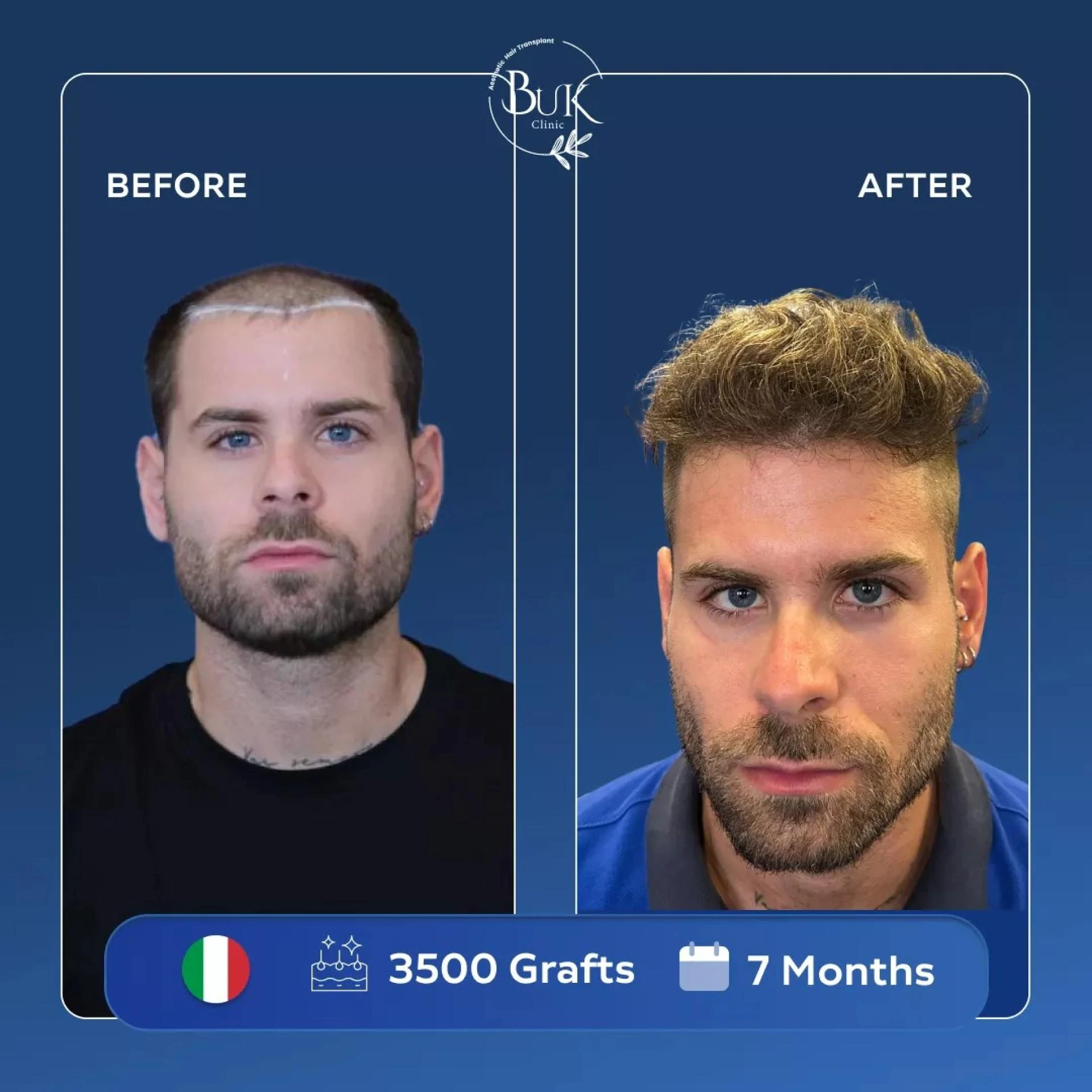
Undergoing a hair transplant Istanbul procedure is a significant step toward restoring hair and improving self-confidence. While the surgery itself is crucial, post-procedure care is equally important to ensure optimal healing, graft survival, and natural hair growth. Patients must understand the immediate steps to take after the procedure, how to manage discomfort, maintain a healthy lifestyle, and know when to seek medical advice. Proper adherence to post-procedure guidelines can make the difference between satisfactory results and complications.
Immediate Aftercare Steps
Immediately following a hair transplant Istanbul, patients are given detailed instructions by their medical team. The first step is to carefully handle the transplanted area. Avoid touching, scratching, or rubbing the grafts, as these newly implanted follicles are delicate and susceptible to displacement.
Sleeping with the head elevated during the first few nights helps reduce swelling and promotes circulation in the scalp, supporting graft stability. Additionally, patients are usually advised to avoid strenuous activities and heavy lifting for at least a week. Cold compresses may be recommended for minor swelling, but direct pressure on the grafts should be avoided.
Cleaning the scalp is another essential part of early aftercare. Most clinics provide a mild shampoo and guidelines for gentle washing, typically starting a few days after surgery. Using the recommended techniques prevents infection while protecting the newly transplanted follicles.
Managing Pain and Discomfort
Pain and discomfort after a hair transplant Istanbul are generally mild and temporary. Many patients report a feeling of tightness or tenderness in the donor and recipient areas during the first few days. To manage this, doctors usually prescribe mild pain relievers or anti-inflammatory medication. It is important to follow the prescribed dosages and avoid over-the-counter medications that may increase bleeding risk, unless approved by your physician.
Patients may also experience scalp numbness or itching, which is a normal part of the healing process. Avoid scratching or picking at scabs, as this can dislodge grafts and affect the final results. Patting the area gently with a soft cloth or using a recommended lotion can help alleviate itching without risking the transplanted follicles.
Diet and Lifestyle Recommendations
Nutrition and lifestyle play a pivotal role in supporting recovery after a hair transplant Istanbul. A balanced diet rich in vitamins, minerals, and proteins promotes faster healing and stronger hair growth. Foods high in zinc, vitamin C, iron, and biotin are particularly beneficial for follicle health. Staying hydrated also ensures proper circulation and aids the healing process.
Patients are advised to avoid smoking and alcohol consumption during the recovery period, as both can impede blood flow to the scalp and hinder the survival of hair grafts. Additionally, limiting exposure to direct sunlight and wearing a loose-fitting hat when outdoors can prevent sun damage to the sensitive scalp.
Maintaining a gentle exercise routine is encouraged after the first week, but contact sports or activities that may result in scalp injury should be postponed until your doctor confirms it is safe. Following these lifestyle recommendations ensures a smoother recovery and increases the likelihood of achieving long-lasting, natural-looking results.
When to Seek Medical Advice
While complications after a hair transplant Istanbul are uncommon, patients should remain vigilant for signs that require prompt medical attention. Excessive swelling, severe pain, persistent bleeding, or signs of infection such as redness, warmth, or pus should be addressed immediately.
Some patients may also notice unusual shedding of transplanted hairs in the first few weeks, which is typically normal. However, if hair loss appears excessive or new growth does not start as expected within the recommended timeframe, consulting your surgeon is essential.
Routine follow-ups with the clinic are a critical component of post-procedure care. These appointments allow doctors to monitor healing, remove any remaining stitches if used, and provide guidance on additional treatments or supplements to enhance hair growth.
Conclusion
Following post-procedure care after a hair transplant Istanbul is key to achieving optimal hair growth and maintaining a healthy scalp. Immediate aftercare steps, effective pain management, proper nutrition, lifestyle adjustments, and timely medical consultation all contribute to the success of the procedure. Patients who adhere closely to the guidelines provided by their medical team maximize graft survival, reduce the risk of complications, and ensure a natural, satisfying outcome. Proper planning, realistic expectations, and consistent care are the foundations of a successful hair restoration journey in Istanbul.





















Sign in to leave a comment.