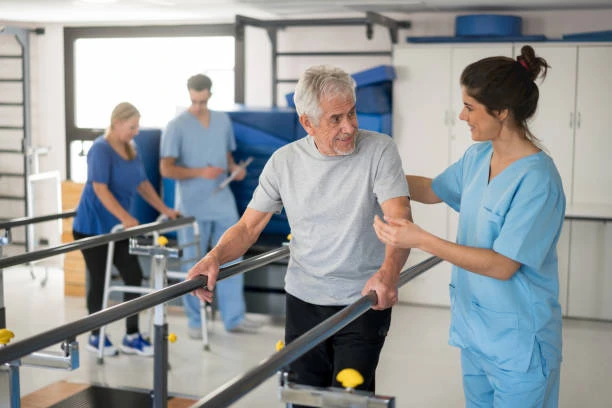

Recovering from a stroke is a journey that requires patience, persistence, and the right support system. For many families, home care provides a comforting and effective way to navigate post-stroke rehabilitation. By combining professional expertise with the familiar surroundings of home, in-home care empowers stroke survivors to regain their independence.
Why Is Post-Stroke Rehabilitation Important?
A stroke can affect physical abilities, speech, memory, and even emotions. Rehabilitation plays a vital role in helping individuals regain lost skills, adapt to new challenges, and rebuild confidence. The sooner therapy begins, the better the chances of recovery.
While hospital or facility-based rehab is common, in-home care offers a more personalized and flexible approach, especially for long-term recovery.
How In-Home Care Supports Post-Stroke Recovery
In-home care is designed to cater to the unique needs of stroke survivors. Here’s how it can make a difference:
1. Physical Therapy and Mobility Assistance
Caregivers assist with exercises prescribed by physical therapists to improve strength and coordination. They also help with mobility aids, ensuring patients move safely around the house.
2. Speech and Cognitive Support
Strokes often impact speech and memory. In-home care teams work closely with speech therapists and provide exercises to improve communication and cognitive skills, helping patients express themselves better.
3. Daily Living Support
Stroke survivors may struggle with daily activities like bathing, dressing, and meal preparation. Caregivers step in to provide gentle, respectful assistance, promoting dignity and independence.
4. Medication Management
Strokes often require ongoing medication. In-home caregivers ensure medications are taken correctly and on time, reducing the risk of complications.
5. Emotional and Psychological Support
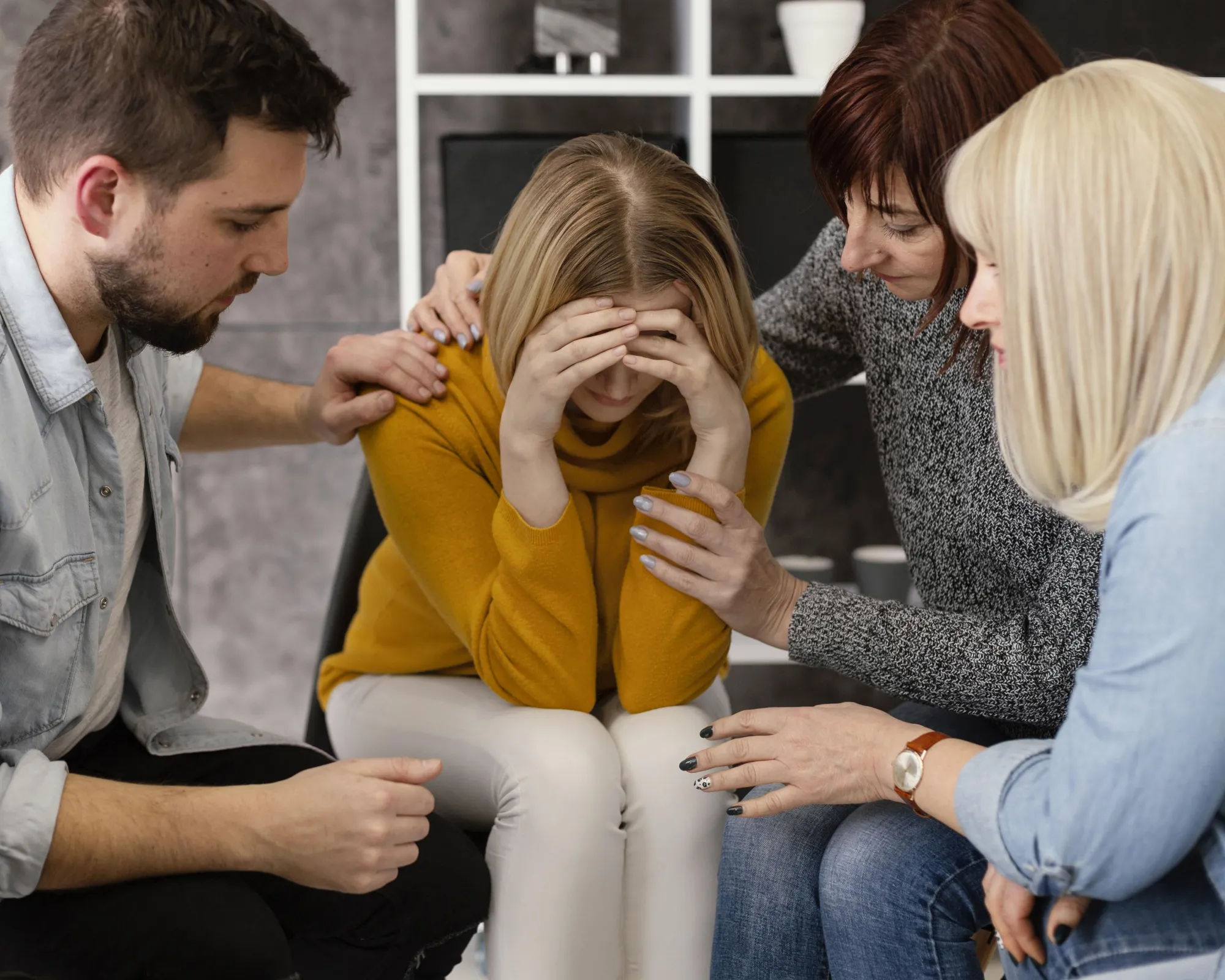
Recovery can feel isolating. Compassionate caregivers provide companionship, encouragement, and a positive environment, helping patients stay motivated throughout the rehabilitation process.
New Insights into Stroke Rehabilitation
Advancements in stroke recovery techniques and technology are enhancing in-home care:
- Wearable Technology: Devices like smart gloves or biofeedback tools track progress and encourage consistent therapy exercises.
- Virtual Reality Therapy: VR programs are being used to improve mobility and coordination in a fun, interactive way.
- Telehealth Sessions: Stroke survivors can consult with specialists and therapists remotely, ensuring continuity of care without frequent travel.
- Neuroplasticity Focus: Modern rehab emphasizes neuroplasticity—the brain’s ability to rewire itself. With repetitive, targeted exercises, survivors can regain function over time.
These innovations, combined with the personal touch of in-home care, create a holistic recovery experience.
When it comes to post-stroke care, expertise and empathy matter. With Naples home care, families can trust experienced caregivers to provide tailored support that meets their loved one’s unique needs. Whether it’s hourly assistance or comprehensive care, their team ensures recovery is as smooth and comfortable as possible.
For stroke survivors requiring continuous support, 24-hour care ensures safety and comfort. Assisting Hands Home Care Naples Caregivers provide round-the-clock assistance with mobility, medication, and daily tasks, offering peace of mind to families. This comprehensive support includes immediate help during emergencies and a personalized approach to recovery, promoting physical and emotional well-being. With dedicated care, stroke survivors can focus on regaining independence in the comfort of their own home.

























Sign in to leave a comment.