

In the world of fitness and athletics, the focus is often on the intensity and duration of workouts. However, an equally important aspect that is frequently overlooked is post-workout recovery. Proper recovery techniques not only help in alleviating muscle soreness but also enhance performance, prevent injuries, and contribute to overall well-being.
This article delves into various methods of post-workout recovery and how they can transform your fitness regimen.
The Importance of Post-Workout Recovery
Post-workout recovery is crucial for anyone engaged in physical activity, whether they are casual gym-goers or professional athletes. During intense exercise, muscle fibers undergo stress and can develop micro-tears. Recovery allows these fibers to repair and grow stronger, leading to improved performance in future workouts.
Benefits of Recovery
- Muscle Repair: Recovery facilitates the repair of damaged muscle tissues, which is essential for muscle growth and strength development.
- Reduced Soreness: Engaging in effective recovery techniques can significantly reduce delayed onset muscle soreness (DOMS), allowing individuals to maintain consistent training schedules.
- Injury Prevention: Adequate recovery helps in preventing injuries that may arise from overuse or muscle imbalances.
- Mental Freshness: Recovery isn’t just physical; it also plays a vital role in mental health. Taking time to recover can reduce stress and improve focus, making future workouts more enjoyable and effective.
Effective Recovery Techniques
Hydration and Nutrition
One of the foundational aspects of recovery is proper hydration and nutrition. After a workout, the body loses fluids and essential nutrients, making it imperative to replenish them.
- Hydration: Drinking water or electrolyte-rich beverages helps restore hydration levels, which is crucial for muscle function and overall health.
- Nutrition: Consuming a balanced meal rich in proteins and carbohydrates shortly after exercise aids in muscle repair and replenishes glycogen stores. Foods like lean meats, fish, fruits, and whole grains are excellent choices.
Rest and Sleep
Sleep is a critical component of recovery. During deep sleep, the body releases growth hormones that promote muscle repair and recovery.
- Quality Sleep: Athletes should aim for 7-9 hours of quality sleep each night to optimize recovery and performance.
- Napping: Short naps can also be beneficial, particularly after intense training sessions, helping to rejuvenate both body and mind.
Active Recovery
Incorporating light physical activity on rest days can promote blood flow and help alleviate muscle tightness. Activities such as walking, swimming, or yoga can enhance recovery without placing too much strain on the body.
Specialized Recovery Modalities
In addition to basic recovery practices, various specialized techniques can significantly enhance post-workout recovery:
Ice Baths
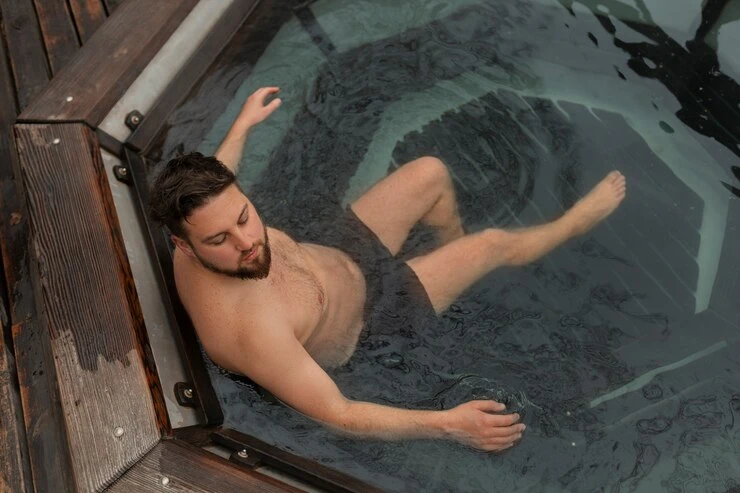
Ice baths are a popular recovery method for athletes. Immersion in cold water can help reduce inflammation and muscle soreness, facilitating quicker recovery. The cold constricts blood vessels, limiting swelling, and promotes circulation when exiting the ice bath.
Compression Therapy
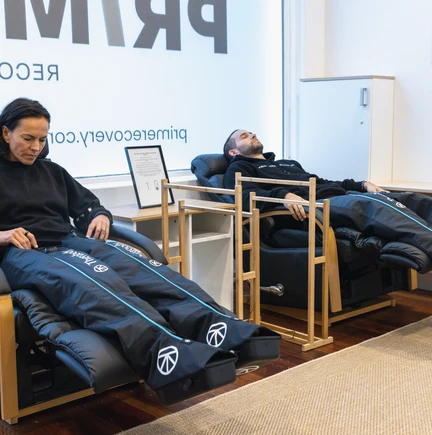
Compression garments can enhance recovery by improving blood circulation. By applying pressure to the muscles, these garments help reduce swelling and soreness, facilitating a faster recovery process.
Infrared Saunas
Infrared sauna therapy is another effective recovery technique. The heat penetrates the skin, promoting relaxation and increasing blood circulation. This can help alleviate muscle tension and improve recovery after intense workouts.
Massage Therapy
Massage therapy, including techniques like deep tissue massage, can help release muscle tightness and improve flexibility. Regular massages can also promote relaxation, aiding in mental recovery.
Massage Gun Therapy
The use of massage guns is becoming increasingly popular for post-workout recovery. These handheld devices deliver rapid pulses of pressure to the muscles, helping to alleviate soreness, improve circulation, and reduce muscle tightness.
Creating a Personalized Recovery Plan
Every individual has unique recovery needs based on their fitness level, workout intensity, and personal preferences. Creating a personalized recovery plan can help optimize the recovery process.
- Assess Your Needs: Identify which recovery methods work best for you. Some may benefit more from active recovery, while others might prefer passive techniques like ice baths or massage.
- Listen to Your Body: Pay attention to how your body responds to different recovery techniques. Adjust your plan based on what feels effective and beneficial.
- Consistency is Key: Make recovery a regular part of your training routine. Prioritizing recovery will lead to better results and improved performance over time.
The Role of Recovery Centers
Recovery centers have become increasingly popular for athletes and fitness enthusiasts looking to optimize their recovery. These facilities often provide a range of services tailored to enhance recovery, including ice baths, infrared saunas, compression therapy, and massage therapy.
Comprehensive Recovery Solutions
At a recovery center, individuals can access professional guidance and utilize specialized equipment designed to optimize recovery. This allows athletes to experience multiple benefits in one location, enhancing their overall wellness and performance.
Conclusion
Post-workout recovery is an essential element of any fitness program, significantly impacting performance and overall well-being. By incorporating effective recovery techniques such as hydration, nutrition, rest, and specialized therapies, individuals can enhance their recovery and maintain peak physical condition.
For those interested in elevating their recovery experience, Prime Recovery offers a comprehensive range of services designed to support your journey towards optimal health and performance. Embrace the power of recovery and discover the benefits it brings to your fitness regimen.




























Sign in to leave a comment.