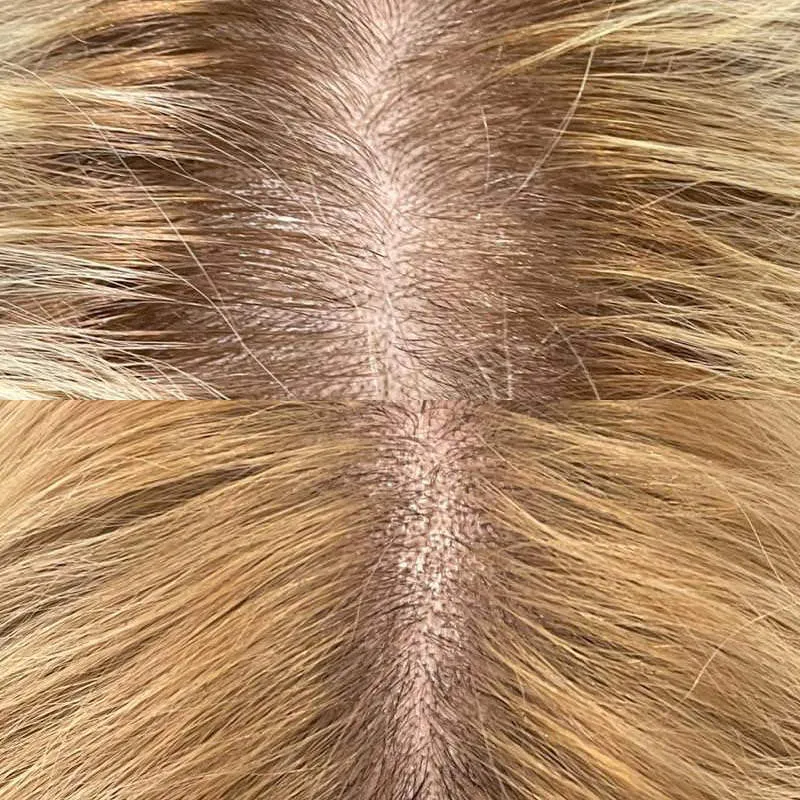

Hair transplantation is inherently a very safe procedure and is classified as minor skin surgery. While the surgery can be long, often taking many hours to harvest, prepare, and transplant grafts, most patients find the experience much easier than expected, frequently comparing it to a routine visit to the dentist. However, as with any medical intervention, it is vital for patients to be fully informed before seeking a hair transplant toronto, as every procedure carries some level of risk and potential complications. Understanding these risks—ranging from common temporary side effects to rare long-term issues—allows patients to make an educated decision and manage their expectations during the recovery process.
Common Short-Term Side Effects and Complications
Most side effects following a hair transplant are temporary and are generally considered a nuisance rather than a significant medical problem. Immediately following the surgery, patients may experience manageable pain and discomfort in the donor area for a few days.
One of the most frequent occurrences is post-operative swelling (edema). Swelling typically begins in the recipient area and can migrate down to the face, eyes, and forehead due to the effects of gravity. While fewer than 10% of patients experience significant swelling, it generally peaks on the fourth or fifth day and resolves by the seventh day. Clinical data suggests a spike in swelling around the eyes is common around day three, usually lasting only a day or two.
In addition to swelling, patients should expect scab formation in the recipient area. These scabs are a natural part of the healing process and may take up to 10 days to resolve completely. Some patients may also experience temporary headaches during the first week, which can typically be managed with standard over-the-counter pain medications like Tylenol or Advil. Bruising is another possibility, occurring in either the donor or recipient areas; this is easily treated by icing the affected site.
Intermediate Risks: Numbness, Pinkness, and Folliculitis
As the scalp begins to heal in the weeks following the procedure, other medium-term complications may arise. Numbness or tenderness in the recipient or donor areas is common as the nerves recover from the surgical incisions. In most cases, sensation returns within a few weeks, though it can occasionally take several months for the nerves to fully reattach and recover.
Another infrequent issue (affecting fewer than 2% of patients) is the development of pimples or persistent pinkness in the recipient area. These pimples, often referred to as folliculitis, can be caused by ingrown hairs or a reaction to the hair shaft material. If left untreated, this inflammation could last for up to four months. However, medical providers often prescribe medicated lotions to treat red or inflamed areas at the first sign of a pimple.
The phenomenon of Shock Loss
One of the most discussed concerns for those undergoing a hair transplant toronto, is shock loss, scientifically known as telogen effluvium. This involves the temporary shedding of both transplanted and existing native hairs due to the physiological stress the scalp undergoes during the procedure.
The Shock Loss Timeline:
- Weeks 2–8 (Early Phase): Noticeable shedding begins. While a small percentage of patients see their transplanted hair grow immediately, most should expect the majority of transplanted hair—and some shocked native hair—to fall out by week five.
- Months 2–3 (Intermediate Phase): This is often called the "ugly duckling" phase, as the shedding reaches its peak and the hair density may look thinner than it did before the surgery.
- Months 3–4 (Recovery Phase): Shedding concludes, and new growth begins. These new hairs may initially be fine and light in colour.
While temporary shock loss is common, and the hair eventually grows back, permanent shock loss is a much more serious risk. Permanent loss occurs when existing hair follicles are damaged by "transection"—cutting across the follicle during the creation of recipient site incisions. This is often a result of direct trauma or poor surgical technique. To prevent this, experienced surgeons use small, custom-sized blades and ensure the angle of the incision is exactly parallel to the existing hair.
Rare and Serious Complications
While hair transplants have a high safety profile, there are rare complications that patients must be aware of:
- Infection and Bleeding: The risk of infection is very low (less than 1%) because clinics use sterile instruments and often prescribe post-operative antibiotics. Similarly, excessive bleeding occurs in less than 5% of cases.
- Poor Graft Growth or Failure: Not all patients experience the same growth rates. Factors such as age, scalp health, and post-operative care influence success. In very rare instances, a "complete failure" of growth can occur due to unknown circumstances.
- Scarring: While FUE incisions are minor and typically invisible to the human eye, some patients may experience noticeable scarring in the donor area or, in very rare cases, keloid formation.
- Medication Reactions: Fewer than 1% of patients experience an adverse reaction to the sedatives, painkillers, or local anesthetics used during the procedure.
Factors Influencing Success and Risk Mitigation
The ultimate success of a hair transplant toronto depends heavily on both the skill of the physician and the patient’s adherence to post-operative protocols. Smoking is a significant risk factor; nicotine is a vascular restrictor that reduces blood flow to the grafted areas, which can lead to delayed wound healing and lower graft yield. Patients are strongly urged to stop smoking for two to three weeks before and after the procedure.
Physicians also recommend a multi-tiered approach to maintain results. A transplant does not stop the ongoing loss of native hairs affected by DHT (dihydrotestosterone). Therefore, treatments like finasteride, minoxidil, and PRP (platelet-rich plasma) are often recommended to support hair health and reduce the severity of temporary shock loss.
In conclusion, while side effects such as swelling, scabbing, and temporary shedding are common and expected, major complications remain rare. By selecting a highly skilled surgeon who uses advanced techniques—such as custom-sized blades and precise incision angles—most risks can be minimized, leading to successful long-term hair restoration.























Sign in to leave a comment.