

When the grid goes down, the difference between inconvenience and crisis usually comes down to one thing: raw power. Not just the total energy stored in your battery, but how much of it you can pull out at once to run the heavy hitters in your home—your well pump, your sump pump, your refrigerator compressor kicking on, maybe even a window air conditioner. A powerful 16kwh battery storage system doesn’t just sit there holding electrons; it delivers them with authority when you need them most. Think of capacity as the size of your fuel tank, but power as the size of your engine. You can have 16kWh in the tank, but if your battery can only output 3kW continuously, that well pump drawing 2.5kW might be fine, but add the refrigerator starting up and you’re flirting with a shutdown. Powerful systems are built to handle those surges without breaking a sweat, giving you the confidence to live almost normally during an outage rather than tiptoeing around your own electrical panel.
Understanding Continuous Power vs Peak Surge
Let’s clear up a confusion that trips up even experienced homeowners. Every 16kWh battery has two important power ratings. Continuous power is how much electricity the battery can supply steadily, hour after hour. Peak or surge power is what it can deliver for a few seconds—just enough time for motors to start spinning. A powerful battery for backup electricity typically offers at least 5kW continuous and 7kW to 10kW peak. Why does the peak matter so much? Because motors draw three to five times their running current when starting up. Your refrigerator might run on 200 watts, but it needs 600 to 1,000 watts for the half-second the compressor kicks on. Your well pump running at 800 watts might need 2,500 watts to start. If your battery’s peak rating can’t handle that surge, the voltage will sag, the pump may stall, and in worst cases, the battery’s protection circuitry will shut down entirely. Powerful systems are designed with inverters and battery management systems that anticipate these surges and deliver the goods instantly.
Which Appliances Demand Real Power
To understand why a powerful 16kWh system matters, let’s walk through a realistic backup scenario. The lights, the TV, your laptop, the router, and a phone charger together might pull 300 watts—trivial. Add a modern energy-efficient refrigerator, and you’re at 500 watts. Still easy. Now imagine the power comes back on after an outage, and your well pump kicks in to refill the pressure tank. That’s 1,200 watts running, but 3,600 watts for startup. Your sump pump cycles on during a rainstorm—another 800 watts running, 2,400 starting. Your furnace fan in winter draws 600 watts running, 1,800 starting. A powerful 16kWh system with 8kW peak can handle all of these happening at different times. But if multiple motors try to start simultaneously—say the refrigerator and the well pump—even a powerful battery can be challenged. That’s where smart load management and understanding your home’s surge requirements become essential. The most powerful systems also offer load start features, staggering motor startups automatically to avoid overwhelming the battery.
High Current Lithium Cells Make the Difference
What gives a powerful 16kWh battery its muscle under the hood? It comes down to the cells themselves and how they’re configured. Standard lithium iron phosphate cells might be rated for 1C continuous discharge, meaning a 16kWh battery could theoretically output 16kW. But many budget batteries derate significantly for longevity, limiting output to 0.5C or 8kW. Powerful systems use cells rated for 2C or even 3C continuous discharge, paired with thicker internal busbars and heavier gauge cabling. Some of the most capable 16kWh batteries on the market, like those from Discover Battery and KiloVault, use what are called “high power” cylindrical cells originally designed for electric vehicle acceleration. These cells have lower internal resistance, which means less heat generation at high loads. That heat is the limiting factor—a battery might be capable of 15kW for a minute, but if it can’t shed the heat, it will throttle back. Powerful systems include robust thermal management specifically designed for sustained high output, not just occasional surges.
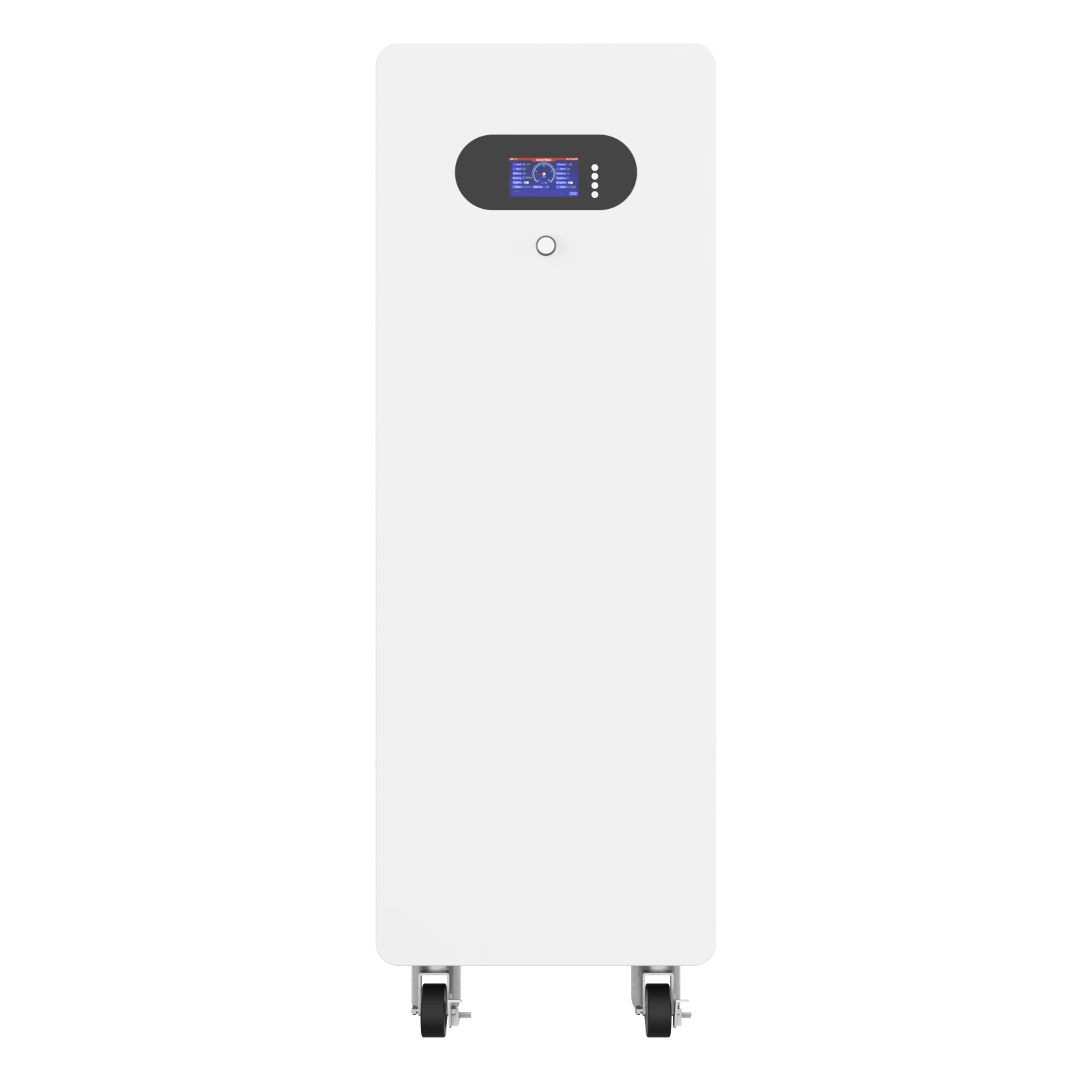
Matching Battery Power to Your Inverter
A battery is only as powerful as the inverter it’s connected to. You can buy the beefiest 16kWh battery on the market, capable of 12kW continuous output, but if your inverter is rated for 5kW, that extra capability is wasted. Conversely, a 10kW inverter connected to a weak battery that can only supply 5kW will simply trip the battery’s overcurrent protection. The ideal match is a battery and inverter with complementary ratings, plus a little headroom. For a powerful 16kWh backup system, look for an inverter rated at 6kW to 8kW continuous, with a surge rating of 12kW or higher. Popular powerful inverters like the Sol-Ark 8K, the Schneider Conext XW Pro, and the Outback Radian series are designed for exactly this application. They also offer features like generator input, so you can supplement your battery with a small gas generator during extended outages. The communication between a powerful battery and a quality inverter matters too. Closed-loop communication allows the inverter to request specific power levels based on battery temperature and state of charge, preventing the battery from being pushed too hard.
Real World Backup Scenarios for a Powerful 16kWh System
Let me paint three realistic scenarios where power matters as much as capacity. First, a family home in a hurricane zone. The power goes out for eighteen hours. You need to run a small window AC in one bedroom so everyone can sleep, plus two refrigerators, some lights, and a fan for air circulation. Total running load might be 3kW, but motor startups push you to 6kW occasionally. A powerful battery handles this without drama. Second, a rural property with a deep well pump. That pump might draw 2kW running but 6kW starting. A weak battery might stall the pump, leaving you without water. A powerful battery gets the pump spinning every time. Third, a home workshop where you’re running power tools during an outage. A table saw draws 1.5kW running but needs 4.5kW to start the blade spinning. A dust collector adds another surge. Powerful 16kWh systems let you keep working through an outage rather than shutting down your livelihood. In each case, the difference isn’t just about comfort—it’s about whether your backup system truly backs you up or leaves you making compromises.
Features That Define a Truly Powerful Backup Battery
Beyond the raw numbers, certain features separate truly powerful 16kWh backup systems from merely adequate ones. Look for a battery with a dedicated high-current output port separate from the main terminals, designed for direct connection to a critical loads panel. Some premium systems offer dual outputs—one for sensitive electronics like computers and another for heavy appliances, with different protection thresholds. Another hallmark is programmable load shedding. The battery management system can be configured to automatically shut off non-essential loads when battery reserves drop below a certain level, preserving power for critical circuits. The most powerful systems also include integrated transfer switching, meaning the battery can disconnect from the grid and form its own microgrid in milliseconds during an outage. That speed prevents flickering lights and keeps sensitive electronics from resetting. Finally, consider modular power. Some 16kWh systems are actually two 8kWh units that can be wired in parallel, effectively doubling the available surge current. This modular approach lets you start with one unit and add another later, scaling your power as your needs grow. For homeowners serious about backup electricity, these features transform a battery from a nice-to-have into a true whole-home power solution.






























Sign in to leave a comment.