

Walk down the air quality aisle of any store, and you will see the same promises repeated on dozens of boxes. Traps ninety-nine percent of particles. Kills odor-causing bacteria. Removes allergens from the air. These are all variations on the same basic idea: pull the bad stuff out of your breathing space and destroy it. EnviroBiotics looked at this entire category and asked a question that seemed to occur to no one else. What if we stopped trying to remove everything and instead focused on growing the right things? This single shift in thinking changes every aspect of how the brand works, from the technology it uses to the results customers actually feel. While other companies sell you filters that need constant replacement and chemical sprays that evaporate within minutes, EnviroBiotics takes its cues from ecology rather than chemistry.
From Sterilization to Cultivation of Beneficial Microbes
Every traditional air quality product shares a flawed assumption: that a clean indoor environment is an empty one. Air purifiers scrub particles, disinfectants kill microbes, and deodorizers mask smells. EnviroBiotics rejects this entire mindset because nature itself rejects it. No healthy ecosystem anywhere in the world stays sterile or empty. The surface of your skin, the soil in a forest, and the air in a meadow are all packed with microscopic life, yet they support human health rather than harm it. EnviroBiotics builds its technology around beneficial bacterial spores, specifically selected strains of bacillus that have been studied for decades. When these spores land on surfaces in your home, they do not die off like chemical residues. They wait patiently for moisture and nutrients, then activate and begin multiplying. You are not spraying a poison or a trap. You are seeding your indoor environment with helpful roommates that outcompete the problematic ones.
Why Focusing Only on Airborne Particles Misses the Big Picture
Here is where EnviroBiotics parts ways most dramatically from conventional wisdom. Most brands obsess over what floats through the air because that is what you notice when you sneeze or see dust dancing in a sunbeam. But air purifiers only catch what passes through them, and they run continuously because new particles constantly settle from surfaces back into the air. EnviroBiotics realized that the real battle happens on surfaces. The dust on your floor, the film on your kitchen counters, the invisible layer on your couch fabric—these are where allergens, mold spores, and bacteria live and multiply. By treating surfaces with probiotics, you stop problems at their source before they ever become airborne. A mold colony on a damp windowsill releases thousands of spores into the air every hour. An air purifier catches some of them. A probiotic surface treatment prevents the colony from forming in the first place. One approach plays endless catch-up. The other shuts down the factory.
The Self-Replenishing Technology That Changes Cleaning Habits
Anyone who has owned an air purifier knows the chore. Change the filter every three months. Vacuum the pre-filter. Replace the UV bulb. It never ends because the technology passively waits for pollutants to drift into it. EnviroBiotics works exactly backward. Once you apply the probiotic spray to surfaces or run it through a diffuser into the air, the beneficial spores settle everywhere and begin working on their own schedule. They do not wash away easily with light cleaning. They do not die when you turn off a machine. They stay dormant when conditions are dry and reactivate when moisture returns. A single application can remain effective for weeks, continually producing enzymes that break down organic waste, pet dander, and the biofilm that mold uses to grip surfaces. Hospitals using EnviroBiotics reported that custodial staff could reduce surface cleaning frequency by half while maintaining better overall hygiene scores. The product does not replace cleaning; it makes cleaning less frantic because the environment helps maintain itself.
No Harsh Chemicals Means No Chemical Byproducts
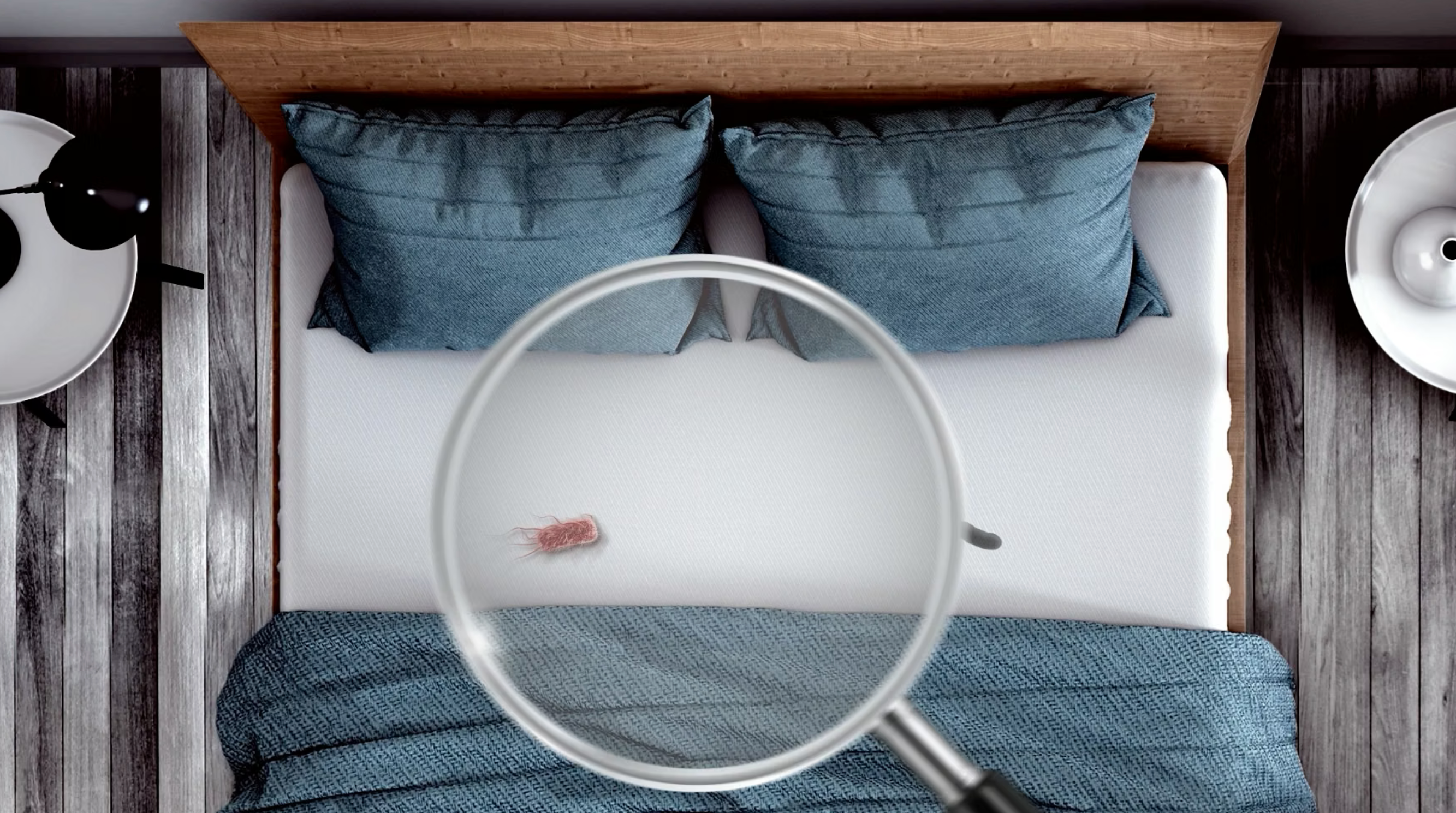
Every time you spray a conventional disinfectant or run an ionizing air purifier, you introduce something synthetic into your breathing space. Bleach releases chlorine gas. Quaternary ammonium compounds leave sticky residues that can irritate skin and lungs. Ozone generators produce lung-damaging ozone even as they neutralize odors. EnviroBiotics contains nothing harsher than water, a mild surfactant, and dormant bacterial spores. When the spores activate, they produce only natural enzymes and water. No volatile organic compounds off-gas into your air. No residues trigger asthma flare-ups in sensitive family members. No chemical byproducts build up on your surfaces over time. This matters enormously for the people who need clean indoor air the most: young children, elderly relatives, and anyone with chronic respiratory conditions. Traditional solutions often trade one problem for another, killing germs but creating chemical exposure. EnviroBiotics simply adds what was missing to begin with—a balanced microbial community.
How the Approach Changes Results for Mold and Mildew
Mold deserves special attention because it exposes the weakness of every traditional solution. Bleach kills mold on hard surfaces but cannot penetrate porous materials like drywall or wood. Air purifiers capture spores but do nothing to stop the colony. Dehumidifiers help but cannot reverse an established infestation. EnviroBiotics takes a different tactical approach based on competitive exclusion. The probiotic bacillus strains consume the same organic nutrients that mold needs to eat. They produce enzymes that break down the protective biofilm mold creates around itself. They physically occupy surface space, leaving no bare spots for mold spores to land and germinate. In head-to-head tests, surfaces treated with probiotics showed significantly less mold regrowth after cleaning compared to surfaces treated with bleach or left untreated. This does not mean EnviroBiotics removes existing mold—you still need to scrub away visible colonies. But it creates conditions where mold struggles to return, breaking the endless cycle of clean, regrow, clean, regrow that drives homeowners crazy.
The Living Technology That Adapts to Your Home
Perhaps the most remarkable difference between EnviroBiotics and every other brand is that the technology gets smarter over time. A HEPA filter works the same on day one hundred as it did on day one, assuming you change it regularly. A chemical spray has the same formula every time you buy a bottle. But a living probiotic ecosystem evolves with your home’s conditions. If your basement gets damp, the beneficial spores activate more frequently and multiply, increasing their protective presence exactly when you need it most. If the air stays dry, they remain dormant and conserve their energy. Different rooms develop different microbial communities based on temperature, humidity, and human activity. You are not applying a one-size-fits-all chemical treatment. You are introducing a flexible, responsive tool that behaves differently in your kitchen than in your bathroom, adapting to local conditions in ways no filter or spray ever could. This is what happens when you stop treating indoor air quality as a chemistry problem and start treating it as an ecology problem.





















Sign in to leave a comment.