

India’s OTT market is growing fast. Platforms like Netflix, Amazon Prime Video, JioCinema, and Disney+ Hotstar are fighting for regional audiences. They need content in Hindi, Tamil, Telugu, Marathi, Bengali, and Kannada. They need it quickly. And they need it done right.
That’s where dubbing turnaround time becomes critical. It is the time taken from receiving content to delivering broadcast-ready dubbed audio. The faster a studio can do it, the more work it wins. But speed without quality means nothing.
So how do the best studios stay fast and deliver quality? Here are five secrets they use.
1. They Run Multiple Tasks at the Same Time
Old dubbing workflows were slow. One task had to be finished before the next one could start. First translation, then casting, then recording, then mixing. That model no longer works.
Top studios run everything in parallel. While Episode 1 is being recorded, Episode 2 is in translation. While Episode 2 is being mixed, Episode 3's casting is already done. Every team works at the same time.
This alone can cut dubbing turnaround time by 30 to 40 percent. For a 10-episode series, that is a huge saving.
2. They Use AI to Speed Up Translation
AI tools can now create a first draft of a translated script in minutes. Top studios use this as a starting point. A human translator then reviews and refines it.
Hindi, Tamil, Telugu, Marathi, Bengali, and Kannada all have unique expressions and cultural references. AI cannot fully understand these on its own. But it can do the heavy lifting. The human translator handles the nuance.
This saves hours on every episode. It also means voice artists get cleaner scripts. Fewer corrections in the booth means a shorter dubbing turnaround time overall.
3. They Record Remotely Across Cities
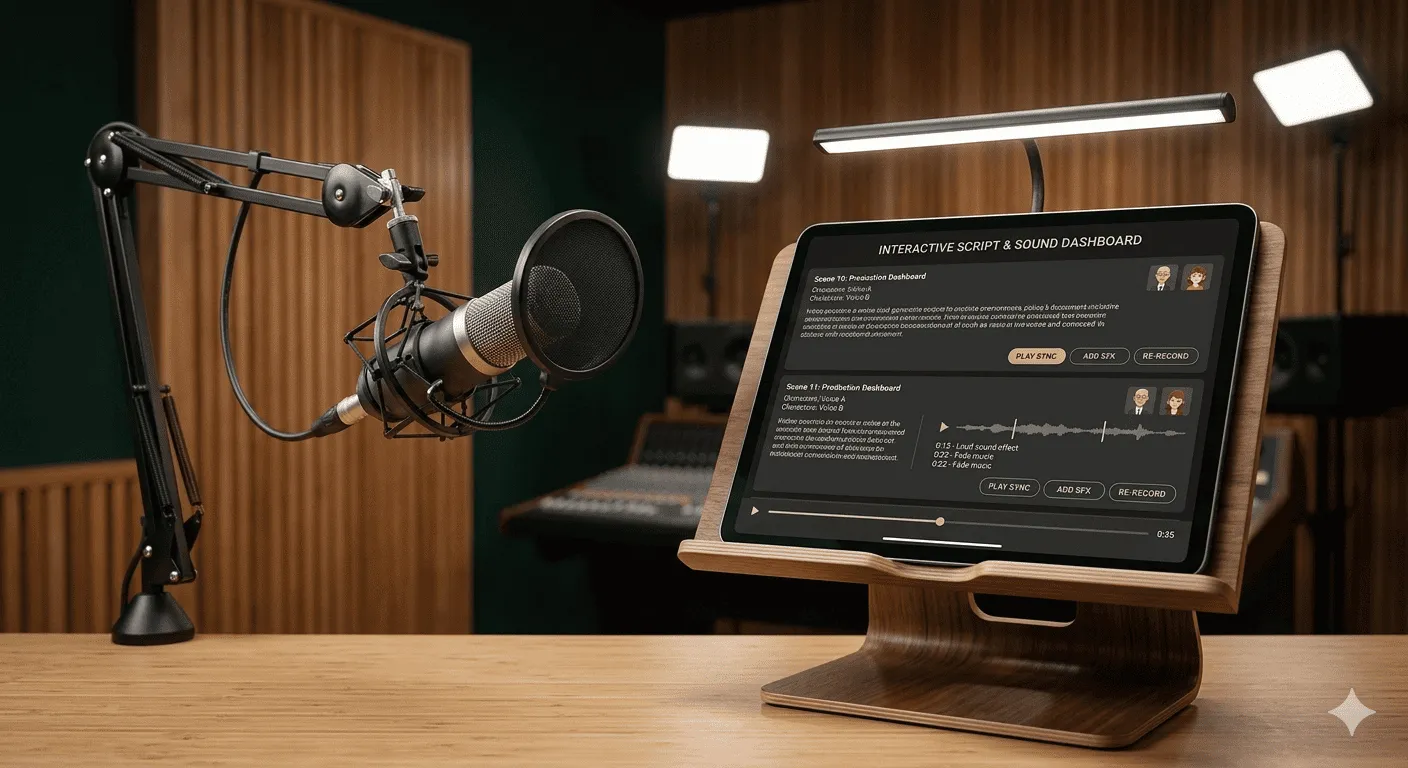
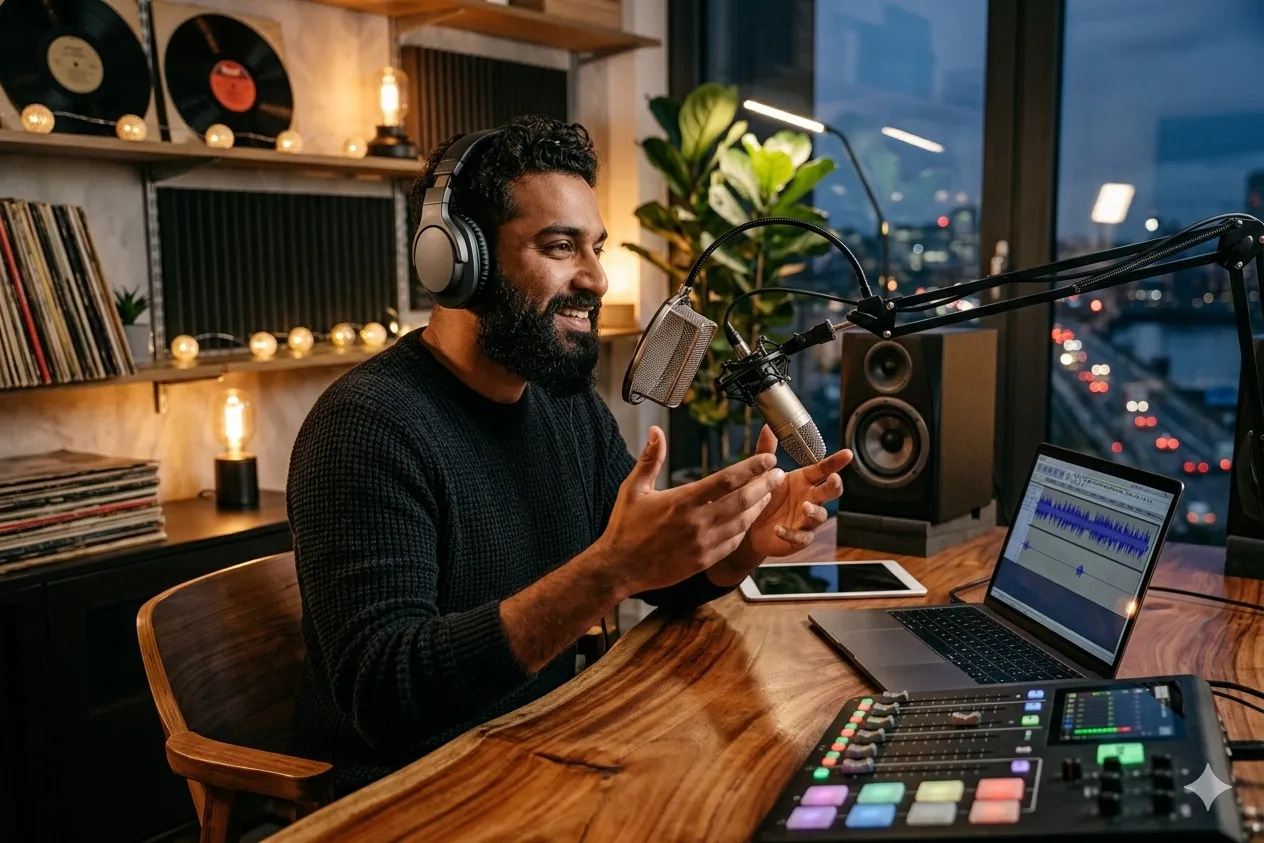
A few years ago, all voice artists had to come to a studio. Today, the best studios record remotely. A Hindi voice artist in Mumbai, a Tamil artist in Chennai, and a Bengali artist in Kolkata can all record on the same day.
Studios certify home setups for audio quality. Directors guide sessions live over video calls. Files are reviewed automatically for issues before submission.
No travel. No delays. No scheduling conflicts. Remote recording is one of the biggest reasons top studios keep their dubbing turnaround time short.
4. They Keep All Files in One Central System
Lost files waste days. Wrong script versions cause re-records. These mistakes are common in studios that use scattered systems.
Smart studios use a single cloud-based system. Translators, voice directors, engineers, and QC teams all access the same files. When a client sends an updated video cut, everyone sees it at once. No confusion. No rework.
Cutting out even one round of unnecessary re-records can save two to three days. That directly improves dubbing turnaround time on every project.
5. They Check Quality Throughout, Not Just at the End
Rushing quality checks to meet a deadline often backfires. Studios end up redoing work. This adds days, not saves them.
Leading studios build quality checks into every stage. Lip-sync tools flag issues during editing. Language supervisors review recordings as they come in. Technical checks run alongside creative reviews.
When the project reaches delivery, it is already clean. No last-minute fixes. No client rejections. The dubbing turnaround time stays on schedule.
Why This Matters for India’s Content Industry
India is not one market. There are many things. Audiences in Tamil Nadu, West Bengal, Maharashtra, Karnataka, and Andhra Pradesh all want content in their own language. They want it to feel natural. Not dubbed as an afterthought.
OTT platforms know this. Regional language content is now their biggest growth area. They are commissioning more. Releasing faster. And they need dubbing partners who can keep up.


























Sign in to leave a comment.