

Energy is one of the most important resources for industrial facilities. Manufacturing plants, processing units, warehouses, chemical facilities, and other industrial operations often require significant amounts of electricity and fuel to operate machinery, heating systems, cooling equipment, pumps, compressors, and ventilation systems. As energy costs and environmental concerns continue to grow, improving energy efficiency has become an important part of modern industrial management.
Reducing unnecessary energy consumption while maintaining productivity, safety, and product quality is an important goal for modern industrial facilities. It does not always require major equipment replacements or expensive upgrades. In many cases, practical improvements in operating procedures, maintenance, monitoring, and equipment selection can deliver measurable results.
Understanding Energy Consumption in Industrial Facilities
Before implementing energy-saving measures, it is important to understand where and how energy is being consumed. Different industrial facilities have different energy profiles depending on their processes, equipment, operating schedules, and production volumes. A well-planned Energy conservation approach can help identify areas where energy use can be reduced while maintaining efficient operations.
Common energy-consuming systems include:
- Electric motors and drives
- Industrial boilers and furnaces
- Compressed air systems
- Pumps and fans
- Heating and cooling systems
- Lighting
- Ventilation equipment
- Production machinery
- Refrigeration systems
Conducting an energy assessment can help identify equipment or processes that consume excessive energy. Monitoring energy use over time can also reveal unusual consumption patterns and opportunities for improvement.
Improve Motor and Drive Efficiency
Electric motors are widely used throughout industrial facilities and can account for a substantial portion of electricity consumption. Motors operating continuously or under heavy loads can create significant energy demand.
Using appropriately sized, high-efficiency motors can help reduce unnecessary electricity consumption. Oversized motors may operate inefficiently when they consistently run below their intended load.
Variable frequency drives can also help control motor speed according to actual process requirements. Instead of operating at full speed continuously, equipment can adjust its output based on demand. This approach can be particularly useful for pumps, fans, blowers, and other variable-load applications.
Regular motor maintenance is equally important. Proper lubrication, alignment, and inspection can help prevent mechanical losses and maintain efficient operation.
Optimize Compressed Air Systems
Compressed air is essential in many manufacturing and processing environments, but it can also be one of the more expensive utilities to operate. Leaks, excessive pressure, poor maintenance, and inappropriate applications can increase energy consumption.
Regular leak detection programs can identify damaged hoses, fittings, valves, and connections. Even small leaks can waste energy when a system operates continuously.
Facilities can also review whether compressed air is being used for applications where other methods would be more efficient. Reducing unnecessary pressure and ensuring compressors operate according to actual demand can further improve system efficiency.
Proper maintenance of filters, dryers, compressors, and distribution networks also helps maintain efficient performance.
Enhance Heating and Cooling Efficiency
Heating and cooling systems can consume considerable amounts of energy, particularly in facilities operating under demanding temperature conditions.
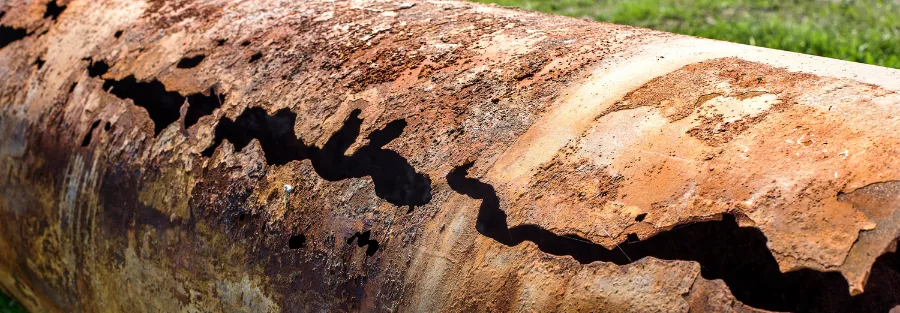
Insulating pipes, tanks, ducts, furnaces, and other heat-transfer equipment can reduce unwanted heat loss. Damaged or deteriorated insulation should be repaired promptly.
Cooling systems should also be inspected regularly to ensure that heat exchangers, condensers, filters, and other components are clean and functioning properly. Poor heat transfer can force cooling equipment to operate for longer periods and consume more energy.
Temperature settings should be reviewed according to actual process requirements. Avoiding unnecessary heating or cooling can provide simple energy savings without affecting production.
Upgrade Industrial Lighting
Lighting is another area where relatively simple improvements can reduce energy use. Traditional lighting systems may consume more electricity than modern alternatives.
Replacing inefficient fixtures with high-efficiency LED lighting can reduce electricity consumption and maintenance requirements. LEDs generally have long operating lives and can provide effective illumination for production areas, warehouses, offices, and outdoor spaces.
Lighting controls can provide additional savings. Occupancy sensors, timers, and automated controls can prevent lights from operating unnecessarily in areas that are temporarily unoccupied.
However, lighting improvements should always maintain appropriate visibility and workplace safety standards.
Maintain Boilers and Steam Systems
Boilers and steam systems are major energy users in many industrial operations. Inefficient combustion, steam leaks, poor insulation, and inadequate maintenance can result in substantial energy losses.
Regular boiler inspections can help identify operational problems and maintain efficient combustion. Steam traps should also be checked to ensure they are functioning correctly.
Insulating steam pipes, valves, and equipment can minimize heat loss. Where practical, facilities can also recover waste heat or condensate and reuse it within the process.
These measures can reduce fuel consumption while improving the overall efficiency of steam generation and distribution.
Reduce Energy Loss Through Preventive Maintenance
Preventive maintenance plays an important role in energy management. Equipment that is poorly maintained often requires more energy to perform the same task.
Dirty filters, worn bearings, misaligned shafts, damaged seals, blocked heat exchangers, and poorly lubricated components can all increase energy consumption.
A structured maintenance schedule can help identify these issues before they become serious. Maintenance teams should consider energy performance as part of routine equipment inspections rather than focusing only on mechanical reliability.
Keeping equipment in good operating condition can improve both energy efficiency and equipment lifespan.
Use Energy Monitoring and Automation
Energy monitoring systems can provide valuable information about how energy is being used across a facility. Installing meters and sensors at key points can help organizations track electricity, fuel, steam, compressed air, and other utilities.
Real-time monitoring can help identify unusual consumption and highlight areas requiring attention. Data can also be compared across shifts, production periods, or equipment groups to identify efficiency opportunities.
Automation can further improve energy management by adjusting equipment operation according to demand. Automated controls can regulate lighting, temperature, ventilation, pumps, and other systems while reducing unnecessary operation.
Minimize Idle Equipment Operation
Industrial equipment often continues running during breaks, shift changes, cleaning periods, or production interruptions. While some systems need to remain operational, others may be safely switched off or placed into standby mode.
Identifying equipment that can be shut down during non-production periods can reduce unnecessary energy consumption. Establishing clear shutdown procedures can help employees consistently follow efficient operating practices.
Automated shutdown systems can also be used where appropriate to reduce dependence on manual controls.
Recover and Reuse Waste Energy
Many industrial processes generate heat that would otherwise be released into the environment. Waste heat recovery systems can capture some of this energy and use it for other applications.
Recovered heat may be used for water heating, preheating combustion air, drying processes, or other suitable applications. The feasibility of heat recovery depends on the temperature, availability, and quality of the waste heat as well as the facility's process requirements.
Energy recovery can improve overall system efficiency and reduce the amount of new energy required for secondary processes.
Encourage Energy-Conscious Workplace Practices
Technology alone cannot achieve effective energy conservation. Employees play an important role in identifying waste and maintaining efficient operating practices.
Training programs can teach employees how to recognize energy losses, operate equipment correctly, report leaks, and follow shutdown procedures. Simple actions such as switching off unnecessary equipment and reporting maintenance issues can contribute to long-term savings.
Facilities can also establish energy performance goals and track progress over time. Involving employees in energy-saving initiatives can create a stronger culture of resource efficiency.
Develop a Long-Term Energy Management Strategy
Energy conservation works best when it is treated as an ongoing process. Industrial facilities should regularly review energy performance, identify new opportunities, and measure the results of implemented improvements.
A practical energy management strategy may include:
- Conducting an initial energy assessment.
- Identifying high-consumption systems.
- Prioritizing improvements based on potential savings.
- Implementing operational and technical solutions.
- Monitoring energy performance.
- Maintaining upgraded equipment.
- Reviewing results and identifying additional opportunities.
This structured approach allows organizations to make improvements gradually while maintaining operational continuity.
Conclusion
Practical energy conservation solutions can help industrial facilities reduce unnecessary energy consumption without compromising productivity or operational reliability. Improvements in motor efficiency, compressed air systems, heating and cooling, lighting, steam management, preventive maintenance, monitoring, and waste heat recovery can collectively deliver meaningful results.
The most effective approach is to understand where energy is being consumed and address the areas with the greatest potential for improvement. By combining efficient technologies with proper maintenance, employee awareness, monitoring, and continuous evaluation, industrial facilities can build a more efficient and sustainable operation while managing long-term operating costs.



















Sign in to leave a comment.