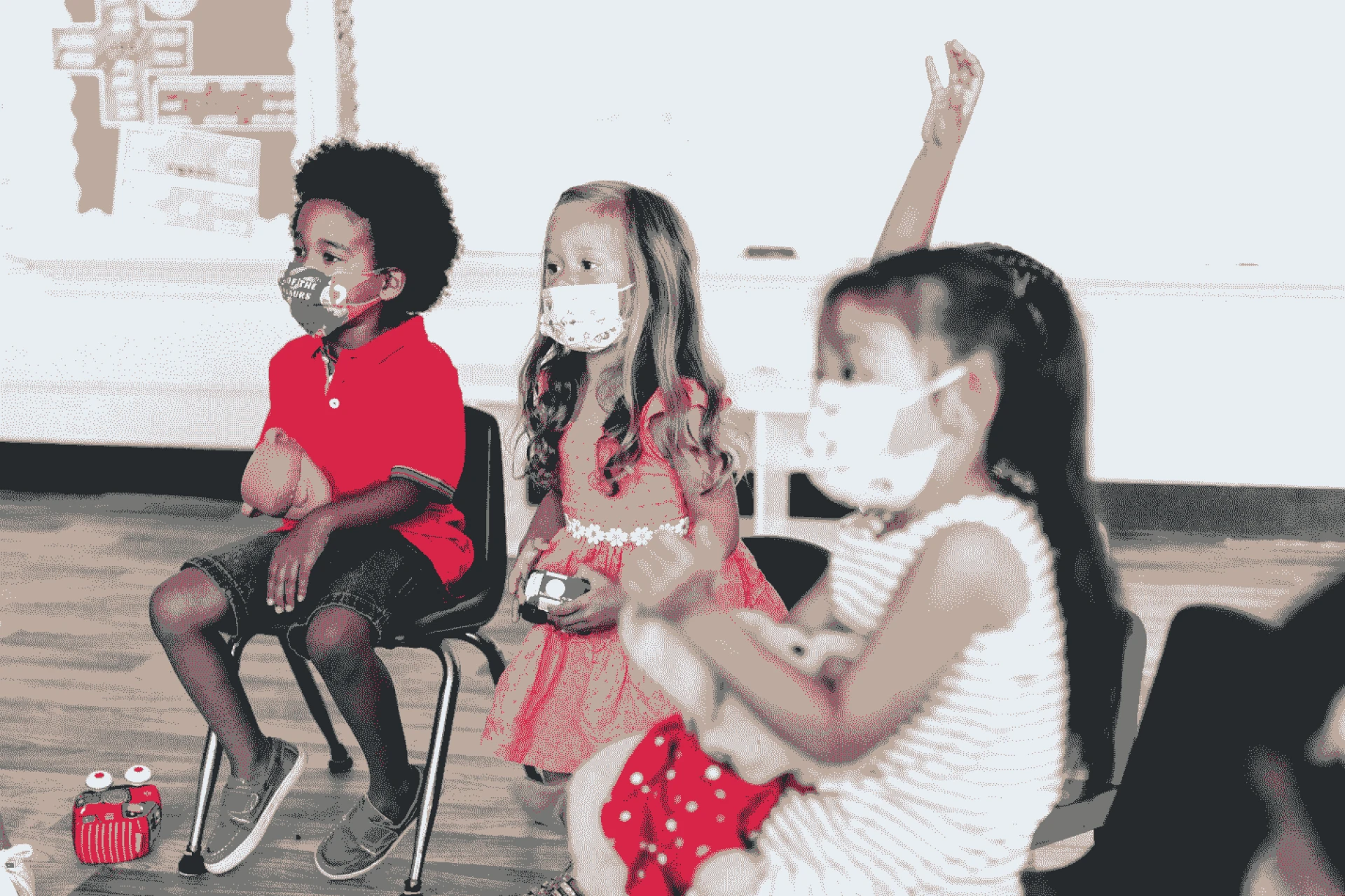

The formative years of a child's life are crucial for their social, emotional, and cognitive development. Preschoolers, in particular, are at a stage where they are eager to explore the world around them, build relationships, and establish a sense of self. As parents, caregivers, and educators, it becomes essential to guide them in navigating this critical phase.
One effective and proven approach is the use of positive reinforcement. In this guest post, we will delve into the significance of positive reinforcement for preschoolers and explore practical parenting tips on fostering positive behavior through praise and play.
Understanding Positive Reinforcement
Positive reinforcement involves acknowledging and rewarding desired behavior to encourage its repetition. It operates on the principle that when a child experiences positive outcomes following their actions, they are more likely to engage in those behaviors again. For preschoolers, whose brains are like sponges absorbing everything around them, positive reinforcement for preschoolers can be a powerful tool in shaping their behavior.
The Power of Praise
Praise is a fundamental element of positive reinforcement, and its impact on preschoolers cannot be overstated. However, effective praise goes beyond just saying "good job." It involves specific and genuine acknowledgment of a child's efforts and achievements. Instead of generic praise, focus on highlighting the specific behavior you want to reinforce. For example, say, "I love how you shared your toys with your friend; that's being a great friend!" This type of praise not only reinforces the positive behavior but also helps the child understand what they did right.
Create a Positive Environment
Building a positive environment is essential for the success of positive reinforcement. Preschoolers thrive in environments where they feel safe, supported, and encouraged. Establish clear expectations for behavior and communicate them positively. Create a visual reinforcement system, such as a sticker chart, where children can see their progress. Celebrate their achievements collectively, making them feel part of a team. This collective reinforcement fosters a sense of belonging and encourages children to contribute positively to the group.
Incorporate Play as a Learning Tool
Preschoolers learn best through play, and incorporating play into positive reinforcement can make the process enjoyable and effective. Games and activities that emphasize teamwork, sharing, and empathy can reinforce positive behavior naturally. For instance, engage in cooperative games that require children to work together toward a common goal. This not only reinforces positive behavior but also develops important social skills.
Reward Systems Done Right
Implementing a reward system can be a powerful motivator for preschoolers. However, it is crucial to strike a balance to prevent over-reliance on external rewards. Instead of material incentives, consider using rewards that are intrinsic to the activity, such as extra playtime, a special story, or the chance to be the "helper" for the day. This helps children associate positive behavior with intrinsic rewards, fostering a long-term understanding of the importance of good behavior.
Consistency is Key
Consistency is a cornerstone of positive reinforcement. Children thrive on routine and predictability, and consistency reinforces expectations. If positive behavior is rewarded one day and ignored the next, children may become confused and less likely to repeat the desired behavior. Consistency also helps children understand the cause-and-effect relationship between their actions and the consequences, reinforcing the idea that positive behavior leads to positive outcomes.
Individualized Approach
Every child is unique, and what works for one may not work for another. It is essential to tailor your positive reinforcement approach to each child's personality and preferences. Some children may respond well to verbal praise, while others may prefer non-verbal cues like a high-five or a thumbs-up. Observe and learn about each child's individual strengths and preferences to create a customized positive reinforcement strategy that resonates with them.
Teaching Emotional Regulation
Preschoolers are still developing their emotional regulation skills, and positive reinforcement can play a crucial role in this aspect of their development. When a child exhibits self-control, patience, or other positive emotional behaviors, acknowledge and reinforce these actions. Use language that helps them understand their emotions, such as saying, "I noticed how you waited your turn; that's great patience!" This not only reinforces positive behavior but also helps children build emotional intelligence.
Model Positive Behavior
Children learn by example, and modeling positive behavior is a powerful form of positive reinforcement. Demonstrate the behavior you want to see in your preschoolers, whether it is sharing, using polite language, or expressing emotions in a healthy way. When children see positive behavior modeled by adults, they are more likely to emulate those actions. Be mindful of your own behavior and use it as a teaching tool to reinforce positive values and actions.
ParentingQuestions.Org: Your Go-To Partner For Parenting Advice
Visit ParentingQuestions.Org for expert advice and online parenting classes and join our community of engaged parents on the best parenting blogs and forums. Elevate your parenting experience today.
About the Author
Jack P. is a passionate advocate for positive parenting strategies and child development. With a background in child psychology, Jack has dedicated his career to empowering parents, caregivers, and educators with practical insights on nurturing positive behavior in preschoolers.
























Sign in to leave a comment.