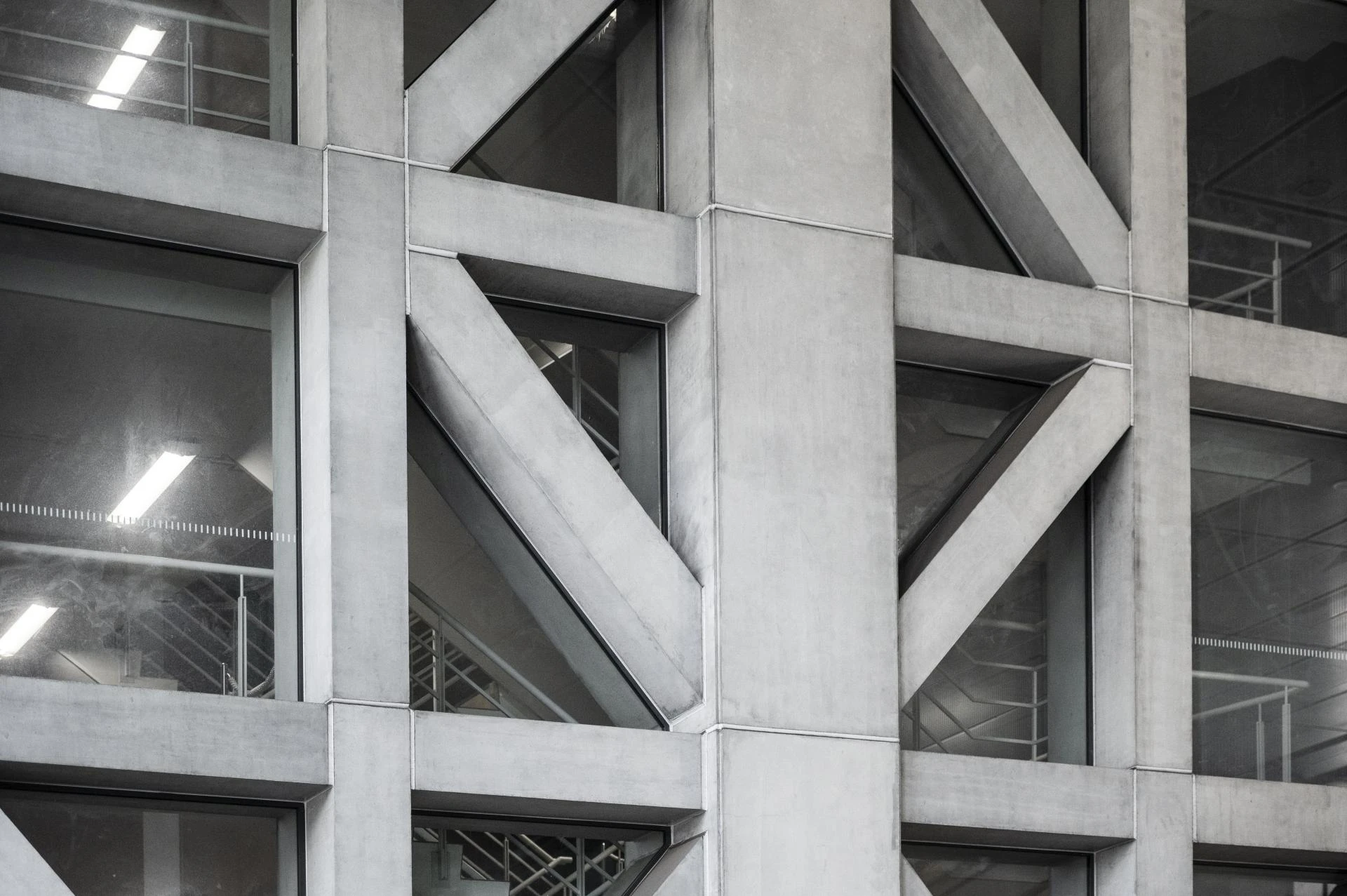

In the fast-paced world of construction, staying ahead of the curve can often feel like a race against time. As demands for faster, more efficient builds increase, many companies still struggle with outdated methods and designs that don't quite fit the modern world.
For anyone involved in the process, whether you are a developer, contractor, or architect, it is clear that old approaches can't cut it anymore. Precast concrete offers a refreshing alternative—saving time, costs, and labour, all while boosting the quality of the build.
But what trends in precast design should you be watching in 2025? This year promises some exciting changes that could reshape the future of construction.
The Rise of Ultra-High Performance Concrete (UHPC).
Ultra-High Performance Concrete (UHPC) is becoming a revolution for precast design. This next-generation concrete offers an impressive combination of strength, durability, and aesthetic appeal. For high-performance applications including bridges, facades, and even flooring, it is attracting attention as the perfect material.
It is an extremely resilient material that can withstand severe weather conditions, abrasions, and even fire. Projects benefit from lighter, more manageable elements that can be quickly installed. If you are working on high-stakes, high-traffic, or high-risk projects, the need for precast concrete consultants to incorporate UHPC into your designs is growing by the day.
As we enter 2025, the push for precast design to embrace stronger, more sustainable materials is only going to get louder. And UHPC is one material that will answer the call for both performance and sustainability.
Modular Precast Design for Faster Builds
Speed has always been crucial in the construction industry, but the urgency has never been as high as it is now. Modular precast design is here to meet that need head-on.
By prefabricating significant components off-site, you can drastically cut down on both construction time and labour costs. These pre-made components can be quickly assembled once on-site, reducing delays and cutting down on the impact of weather, site conditions, or labour shortages.
Both large commercial structures and smaller projects where speed is crucial are ideal for the modular method. Consider collaborating with a precast concrete consultants who can smoothly incorporate this technique into your projects if you're trying to streamline your operations.
Modular precast design is becoming more and more essential as deadlines get closer. One of the most fascinating trends to observe is this one, which has shorter build times, fewer interruptions, and improved efficiency.
Sustainability: Green Building and Precast Concrete
Sustainability is not just a buzzword anymore—it is becoming a central theme in construction, and precast design plays a significant role in this shift. Precast concrete can be made with recycled materials and can be designed for energy efficiency. Using less energy in the manufacturing process and optimizing designs for better thermal insulation are just the beginning.
Think about it: precast concrete consultants are now looking at the entire lifecycle of a project, from reducing carbon footprints to ensuring longevity in the materials used. The ability to create buildings that not only last longer but also require less energy to operate has never been more important.
As regulations tighten and the industry leans more into eco-friendly solutions, embracing these green practices in precast design will become the norm. For builders and architects, staying ahead of this curve is not just about checking boxes—it is about shaping a future where construction and sustainability work hand in hand.
Integration of Smart Technologies in Precast Design
As technology becomes more embedded in every industry, precast design is catching up with the times.
Precast elements are beginning to incorporate smart technologies, like as sensors and Internet of Things devices, which provide real-time monitoring capabilities. Imagine having real-time visibility into how weather conditions impact a building's exterior or being able to monitor the functioning of structural sections as they age.
For precast concrete consultants, this represents an exciting opportunity to take design and construction efficiency to the next level. The use of innovative technologies in precast components means that issues can be detected and addressed long before they become major problems, saving time, money, and resources.
As 2025 approaches, we expect to see this integration grow. The future is bright for smart precast design as it brings real-time data into the hands of project managers, making it easier than ever to ensure the longevity and safety of a structure.
Advanced 3D Printing in Precast Design.
3D printing has made considerable strides in various industries, and precast design is no exception. The production of precast parts is being transformed by 3D printing. Designers and contractors can now use a 3D printer to directly create more complicated and elaborate designs rather than relying on traditional molds. This is an interesting potential since it will allow for more precise and less material-intensive structure design.
For construction companies working with precast design, the impact of 3D printing is significant. It means that projects can be customized with greater ease, allowing architects to push the boundaries of traditional designs. If you are looking for flexibility and precision, 3D printing is one tool that is here to stay.
In 2025, we will see even more of this technology infiltrating precast design, from creating custom moulds to printing actual precast components on-site. This will open up new possibilities for both small-scale and large-scale projects alike.
Customization and Flexibility in Precast Design.
Gone are the days of one-size-fits-all in construction. Today's clients demand more tailored, adaptable designs that meet specific needs, and precast design is no different. Precast components can now be customized to meet the unique demands of each project—whether that is specific architectural features, size adjustments, or load-bearing requirements.
The ability to personalize each element in the precast process means that every project can have its own identity while still benefiting from the speed and efficiency of precast construction. For anyone working on bespoke designs, the flexibility that precast concrete consultants bring to the table can make a massive difference in the final product.
As we move into 2025, customization will become an even bigger part of precast design, making it an essential tool for architects and developers who want to create standout buildings that are not only functional but also visually striking.
Precast Concrete's Role in Post-Pandemic Construction
The pandemic changed the way we look at everything—construction included. The need for healthier, more flexible spaces is higher than ever before, and precast design has risen to meet these needs. The epidemic has compelled the construction industry to reconsider how areas are constructed to guarantee safety and well-being, from touchless designs to the usage of antimicrobial surfaces.
In this new setting, precast elements provide the ideal option. Their speedy off-site manufacturing minimizes worker exposure by cutting down on time spent on building sites. Moreover, precast concrete consultants are now increasingly incorporating features that promote better airflow, sanitation, and hygiene.
Precast design will keep developing as we go toward 2025 and beyond, making spaces safer, more effective, and compliant with post-pandemic requirements.
Summing Up!
Precast concrete is far from a static industry. 2025 looks like a really exciting year for precast design since it will put technology, sustainability, and design flexibility front and center.
In order to help the industry manage these trends, precast concrete consultants will undoubtedly be crucial as more businesses look for effective, long-lasting, and adaptable solutions. It is therefore time to embrace the future of construction, regardless of whether you are creating detailed designs or large-scale projects.
You are not only keeping up, but you are laying the groundwork for the construction industry's future by staying ahead of these trends.
























Sign in to leave a comment.