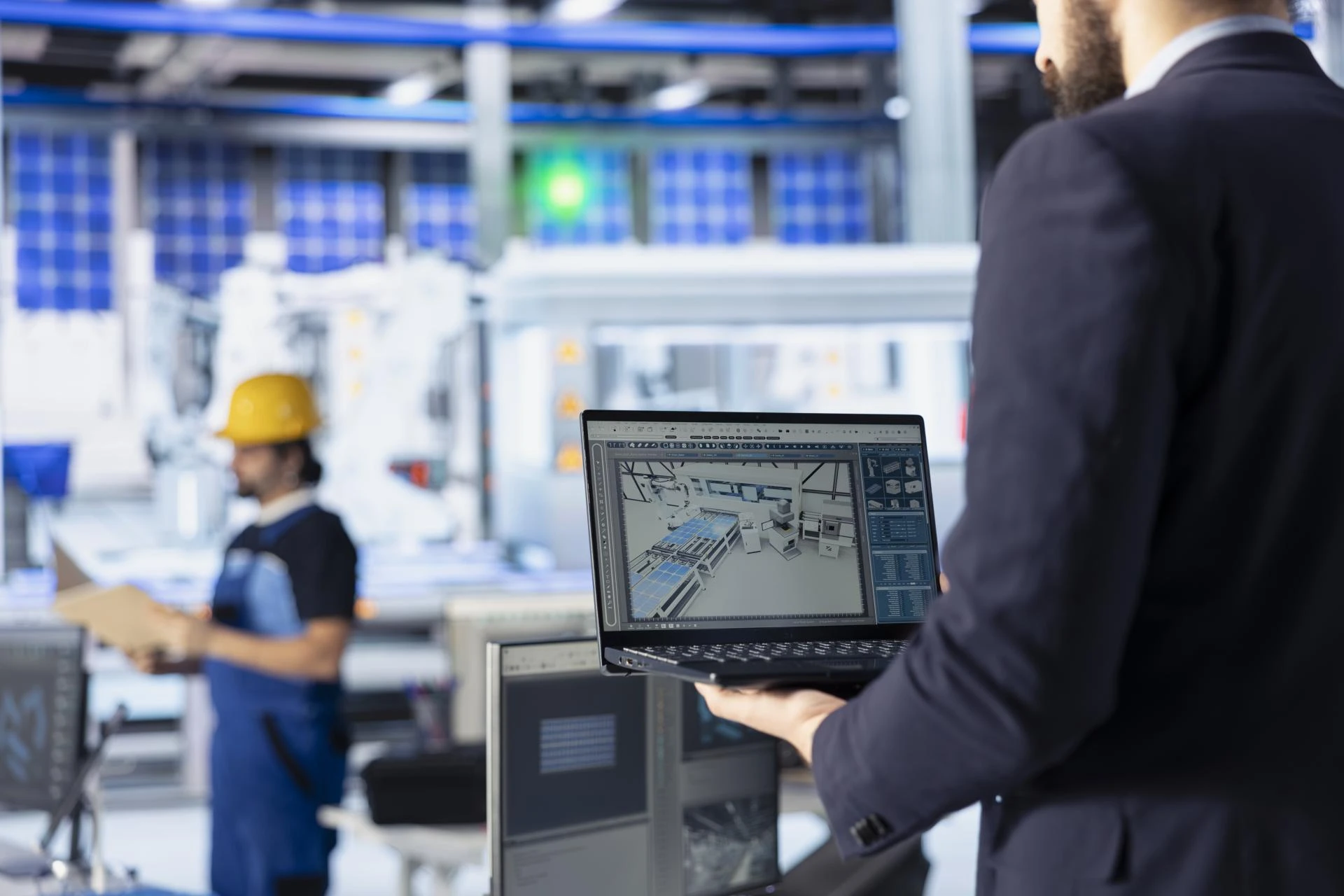

The precast concrete industry has long been a cornerstone of modern construction, offering speed, efficiency, and durability. But as the demand for high-quality, large-scale projects continues to grow, companies are facing increased pressure to deliver more, faster, and at lower costs. Even though they work, traditional approaches are limited. Technology and automation are more than just catchphrases; they are essential for prospering in a market that is becoming more and more competitive. Businesses that use cutting-edge technology are at a major advantage since it streamlines manufacturing, increases quality, and lowers prices.
For Modular Pulse, a leading name in UHPC factory consulting, automation is about much more than just upgrading equipment. It is about redefining the way precast concrete is manufactured. It is about leveraging technology to create smarter, more efficient processes that deliver consistent results.
In this article, we will dive into how automation and technology are reshaping the precast concrete industry and why now is the perfect time for manufacturers to take the leap into the future.
Understanding the Need for Automation in Precast Concrete.
The precast concrete industry has seen significant growth over the years, driven by the demand for faster, more reliable construction methods. However, the requirement for efficiency continues to be a difficulty as the sector changes. Although somewhat effective, manual methods frequently have their own set of drawbacks, ranging from high labor costs and lengthy lead times to human mistake and unpredictable quality.
Here is where automation is useful. Precast producers can get rid of a lot of these problems by automating repetitive processes and incorporating cutting-edge technologies into manufacturing lines. With automation, you not only reduce human error, but also speed up processes, cut down on waste, and ensure a higher level of precision in every step.
At Modular Pulse, we recognize that automation involves more than simply substituting robots for human labor. The goal is to operate more efficiently by utilizing technology to enhance each stage of the production cycle, from quality control to design and assembly.
Key Technologies Transforming the Precast Concrete Industry.
Innovations are significantly improving the efficiency and quality of precast concrete production, and the industry is undergoing a technical renaissance. Let us examine a few of the major technologies causing this shift.
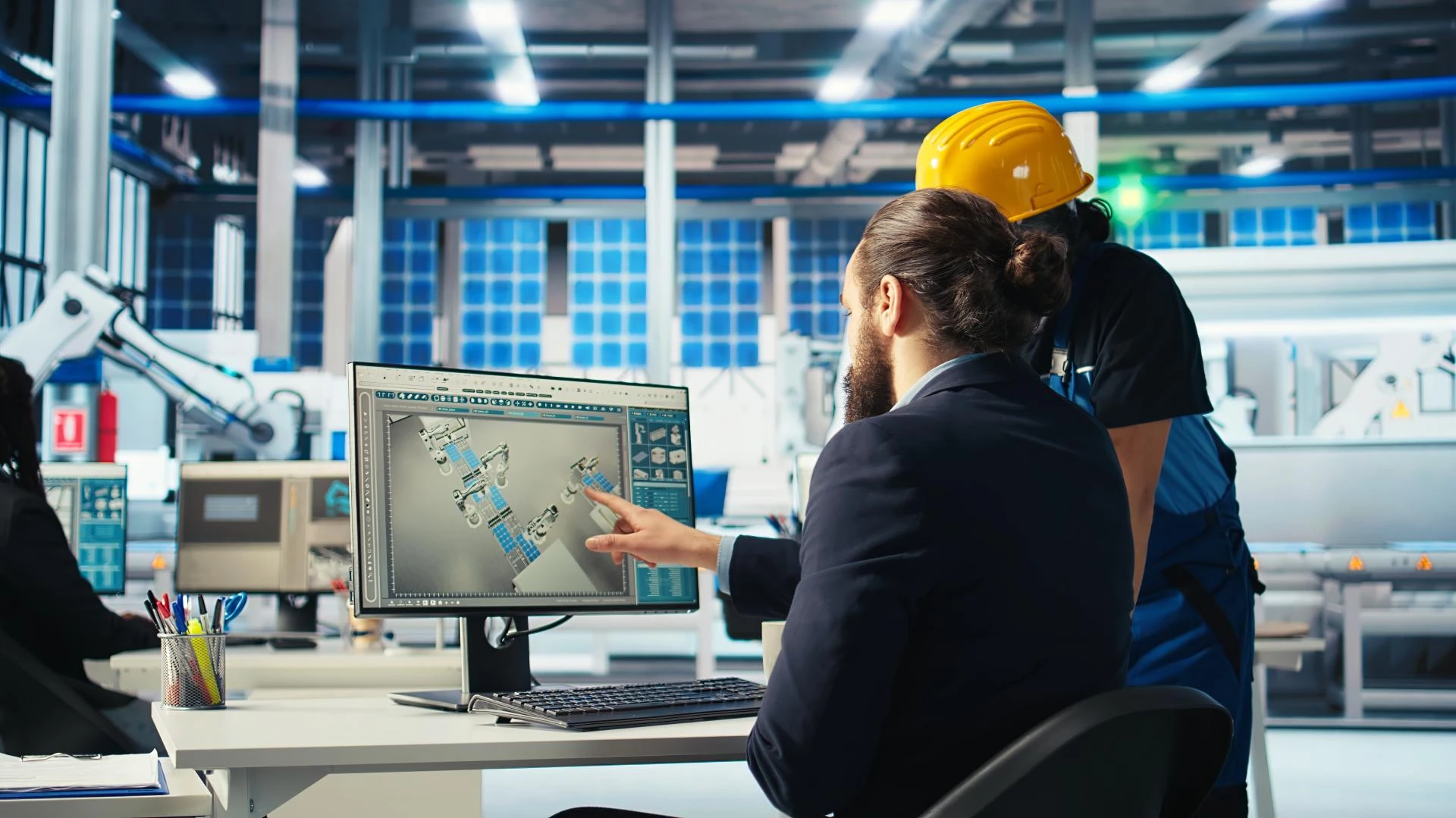
- Robotics and Automated Systems:- Robotics have become a game-changer in the precast concrete industry. By automating repetitive tasks like lifting, positioning, and molding, manufacturing organizations may increase accuracy, lower labor costs, and accelerate production timelines. We can concentrate on more difficult activities that call for a higher level of knowledge thanks to this technology.
- IoT and Sensors:- The UHPC factory consulting world is embracing the Internet of Things (IoT) to create a smarter manufacturing process. IoT-enabled sensors monitor every aspect of production in real time – from curing temperatures to material quality. Manufacturers are able to make quick adjustments thanks to this data, which guarantees improved control over product quality and quicker reaction times to possible problems.
- Artificial Intelligence (AI):- AI and machine learning play an integral role in optimizing production schedules and identifying inefficiencies in real-time. These technologies enable enterprises to optimize operations for maximum productivity and predict equipment failures before they happen.
Benefits of Implementing Automation and Technology.
When it comes to the precast concrete industry, the benefits of automation are clear. Here is how incorporating technology makes a significant impact:
- Operational Efficiency: Automation eliminates many of the manual tasks that slow down production. From material handling to form setting, tasks are completed faster and with greater consistency, resulting in shorter lead times. This allows manufacturers to take on more projects, increasing overall productivity.
- Improved Quality Control: Quality control becomes considerably more predictable when precise technology and automated methods are implemented. Because automated procedures minimize human error, all products are guaranteed to satisfy the same exacting requirements. The outcome? increased customer happiness, reduced rework, and fewer faults.
- Cost Savings: While the initial investment in automation can be significant, the long-term savings are worth it. Reduced labour costs, fewer errors, and less waste all contribute to a more efficient and cost-effective production process. For manufacturers in the precast concrete industry, this means higher profit margins without sacrificing quality.
Case Studies and Real-world Applications.
To truly understand the impact of automation and technology, it is helpful to look at how these advancements are being applied in real-world scenarios. Many companies have already started to see the benefits.
For instance, one of our clients in the UHPC factory consulting field implemented robotic arms for material handling and mould setting. A notable improvement in overall safety, a notable decrease in labor expenses, and a 30% increase in production speed were among the noteworthy outcomes. The same company was able to monitor data in real time and guarantee that every piece of concrete was correctly cured without the need for human intervention by incorporating Internet of Things sensors into the curing process.
We at Modular Pulse have personally witnessed how adopting these technologies can result in increased productivity and a stronger competitive advantage in the market. There are countless opportunities for innovation in the precast concrete sector, whether it is through robotics, artificial intelligence, or the Internet of Things.
Overcoming Challenges in Adoption.
Of course, implementing automation and technology in any industry comes with its challenges. For many manufacturers, the initial investment can seem daunting. However, when you look at the long-term benefits both in terms of cost savings and efficiency – it is easy to see why it is a smart move.
Another hurdle is the need for training. With new technology comes new processes, and your team must be equipped with the knowledge to use these tools effectively. At Modular Pulse, we assist clients in navigating this transition, providing the guidance and support needed to ensure a smooth integration.
The Future of Precast Concrete: Full Integration and Smart Manufacturing
The future of the precast concrete industry is bright, with automation and technology continuing to evolve and shape the way concrete products are designed and manufactured. As we look ahead, the goal is full integration – where every step of the production process, from design to logistics, is seamlessly connected through innovative manufacturing systems.
The potential of 3D printing in concrete and the application of digital twins to model and enhance the manufacturing process excite us at Modular Pulse. These developments will help producers create concrete more effectively while simultaneously enhancing the general appearance and functionality of their goods.
Summing Up!
Adopting technology is crucial in a cutthroat sector like precast concrete. Automation is about increasing productivity, improving quality, and future-proofing your company—not about cutting expenses.
Modular Pulse is available to assist you with this transformation, whether your goal is to invest in state-of-the-art technology or optimize your manufacturing process. As technology continues to advance, the precast concrete industry will only become more efficient, more sustainable, and more innovative.
Ready to take your operations to the next level? Get in touch with us today to learn how we can assist in integrating automation into your processes.



























Sign in to leave a comment.