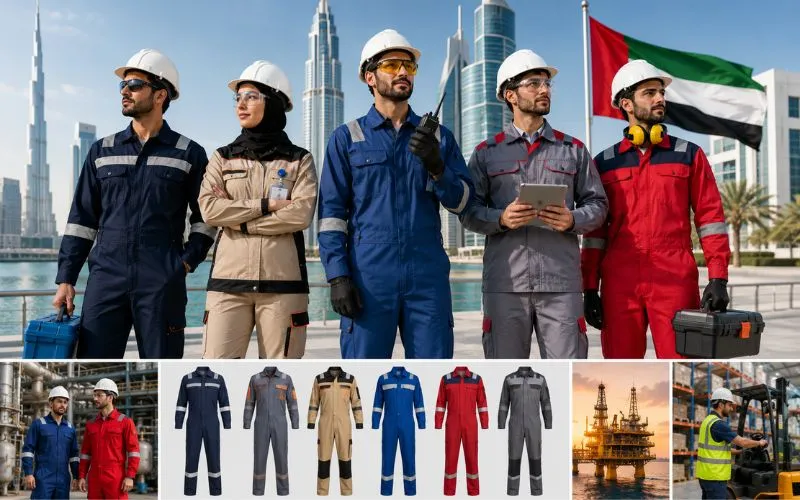

Corporate clothing does more than create a professional appearance. It affects employee comfort, brand perception, workplace confidence, and even productivity. Many businesses focus heavily on logos and colors while overlooking fabric quality, durability, and functionality. That often leads to uniforms that look good for a few months and then quickly lose their shape, color, and professional appeal.
When selecting workwear, businesses should think beyond appearance. The best results come from partnering with experienced Corporate Uniform Suppliers UAE that understand how different industries, climates, and work environments affect garment performance.
Comfort Comes First
Employees wear corporate clothing for long hours. Eight hours. Sometimes more.
If the fabric feels rough, traps heat, or restricts movement, people notice immediately. Discomfort affects concentration and creates unnecessary frustration throughout the workday.
Good corporate clothing uses breathable fabrics that allow airflow while maintaining a professional look. Lightweight cotton blends, performance fabrics, and moisture-management materials are common choices because they balance comfort with durability.
The goal is simple. Employees should focus on their jobs, not their uniforms.
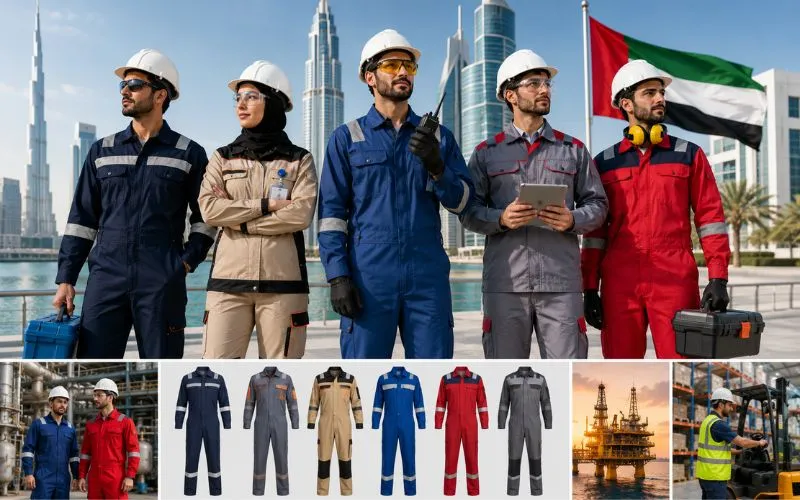
Fabric Durability Matters More Than Most Businesses Realize
Corporate uniforms face daily stress. Repeated washing. Constant movement. Exposure to sunlight. Office furniture. Equipment.
Low-grade fabrics begin showing wear surprisingly fast. Colors fade. Collars lose structure. Seams weaken.
High-quality corporate clothing is built to handle repeated use without significant deterioration. Strong stitching, reinforced stress points, and premium fabric blends help garments maintain their appearance over time.
A slightly higher upfront investment often reduces replacement costs later.
Professional Appearance and Consistent Branding
Brand image is built through hundreds of small interactions every day.
A clean, well-designed uniform instantly communicates professionalism. Customers often form opinions before a conversation even begins. Wrinkled, poorly fitted, or worn-out clothing sends the wrong message.
Corporate clothing should align with brand identity through:
- Consistent color schemes
- Professional logo placement
- Modern garment styling
- Proper fit across employee roles
- Uniform presentation standards
Strong branding does not require flashy designs. Simple often works better.
Fit Is Not a Minor Detail
Many businesses underestimate the impact of fit.
An expensive uniform made from premium fabric still looks unprofessional if it fits poorly. Employees come in different shapes and sizes. One-size-fits-all approaches rarely succeed.
Quality suppliers provide multiple sizing options and customized fitting solutions. This creates a more polished appearance while improving employee confidence and comfort.
People naturally perform better when they feel comfortable in what they wear.
Easy Maintenance Saves Time and Money
Nobody wants uniforms that require special treatment.
Corporate clothing should be easy to wash, quick to dry, and resistant to wrinkles. Employees appreciate practical garments. Facility managers appreciate lower maintenance costs.
Businesses managing large teams particularly benefit from fabrics that maintain their appearance after frequent laundering.
Look for materials that offer:
- Color retention
- Shrink resistance
- Wrinkle resistance
- Shape retention
- Fast drying performance
These features make a measurable difference over the life of the garment.
Weather and Climate Adaptability
Climate plays a major role in uniform performance.
What works in a cool office environment may fail completely in outdoor operations or hot regions. Businesses operating in warm climates need fabrics that allow ventilation and moisture control.
Heavy materials can quickly become uncomfortable. Employees become distracted. Productivity drops.
High-quality corporate clothing is selected according to actual working conditions rather than purely aesthetic preferences.
Industry Insight: Many companies replace uniforms prematurely because the original fabric was chosen based on appearance instead of workplace conditions. Fabric selection mistakes often create higher long-term costs than businesses expect.
Comparison: Low-Quality vs High-Quality Corporate Clothing
| Feature | Low-Quality Corporate Clothing | High-Quality Corporate Clothing |
| Fabric Strength | Wears out quickly | Built for repeated use |
| Color Retention | Fades after washing | Maintains appearance longer |
| Comfort | Often restrictive | Designed for all-day wear |
| Branding Quality | Inconsistent logo presentation | Professional and consistent |
| Maintenance | Higher upkeep requirements | Easy care and cleaning |
| Employee Satisfaction | Frequently lower | Generally higher |
| Long-Term Cost | Frequent replacement needed | Better value over time |
Functional Design Improves Daily Performance
Corporate clothing should support the job being performed.
Reception staff have different requirements than warehouse supervisors. Sales teams have different needs than field technicians.
Practical features may include:
- Secure pockets
- Stretch panels
- Reinforced seams
- Moisture-control fabrics
- Adjustable cuffs
- Hidden storage compartments
Small design improvements often have a larger impact than businesses expect.
Employees interact with their uniforms every day. Functionality becomes noticeable very quickly.
Quality Stitching and Construction
Fabric gets most of the attention. Construction deserves equal consideration.
Weak stitching causes premature garment failure even when good fabric is used. Stress points such as shoulders, cuffs, side seams, and pockets require reinforcement.
Inspecting garment construction reveals a lot about overall quality.
Strong stitching creates:
- Longer garment life
- Better shape retention
- Improved appearance
- Reduced repair requirements
The difference becomes obvious after several months of regular use.
Safety Considerations Cannot Be Ignored
Certain workplaces require more than professional appearance.
Corporate clothing may need features such as flame resistance, high visibility elements, anti-static properties, or protective fabric treatments depending on industry requirements.
Safety-related features should never be treated as optional add-ons when workplace risks are present.
The best uniforms balance protection, comfort, and professional presentation without sacrificing any one area.
Customization Without Overcomplication
Many businesses make uniforms overly complicated.
Too many design elements create visual clutter and increase production costs. Effective corporate clothing uses customization strategically.
Focus on:
- Clean embroidery
- Professional logo positioning
- Consistent brand colors
- Modern garment cuts
- High-quality finishing
Simple, well-executed branding generally creates a stronger impression than excessive decoration.
Final Thoughts
High-quality corporate clothing is an investment in brand image, employee experience, and operational efficiency. Businesses that focus only on price often discover hidden costs later through frequent replacements, poor employee satisfaction, and inconsistent presentation.
The best corporate clothing combines comfort, durability, functionality, easy maintenance, and professional design. Get those fundamentals right, and the uniform becomes a valuable business asset rather than just another workplace expense.
A uniform should work as hard as the people wearing it. That's the standard worth aiming for.





























Sign in to leave a comment.