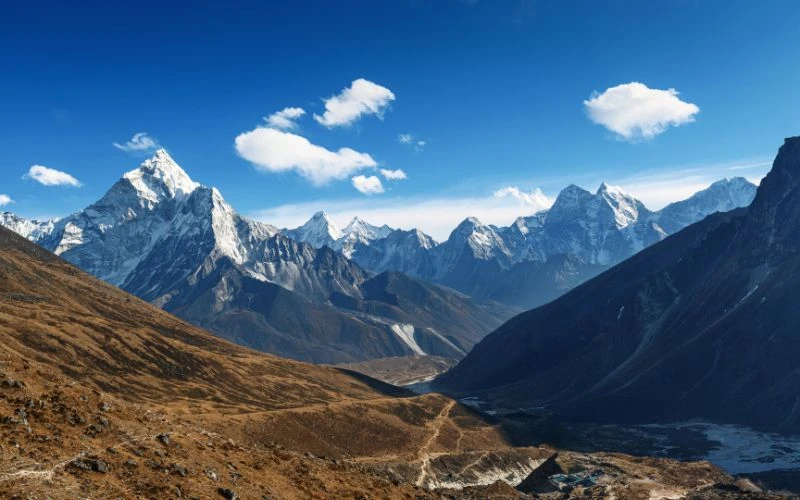

Nepal doesn’t require weeks in the mountains to make sense. That’s a myth that scares off a lot of good trips.
Yes, the big-name treks take time. But some of the most rewarding walks in Nepal fit neatly into four to seven days, including travel. They give you mountain views, village life, and that slow-burning sense of space—without forcing you to reorganize your entire itinerary.
I’ve walked these routes with tight schedules, weather pressure, and that familiar feeling of “I hope this is worth it.” Most of the time, it was. Sometimes it wasn’t, and I’ll point out why. This guide focuses on short treks that actually work for limited-time travelers, not just ones that look good on a map. It’s especially useful if you’re weighing independent travel against Nepal trekking and hiking tour packages and want something realistic.
What “Short Trek” Really Means in Nepal
In Nepal, a short trek isn’t just about distance. It’s about logistics.
A three-day trek that requires two flights, permits, and a full rest day isn’t short. A five-day trek that starts near a city and ends near a road is.
This is where trips often go wrong—underestimating travel time to trailheads or assuming everything runs on schedule. Build in buffers. Always.
Ghorepani–Poon Hill Trek
Best for: Classic views with minimal commitment
If you want one of the best sunrise views in the Himalayas without committing to a long trek, this is it.
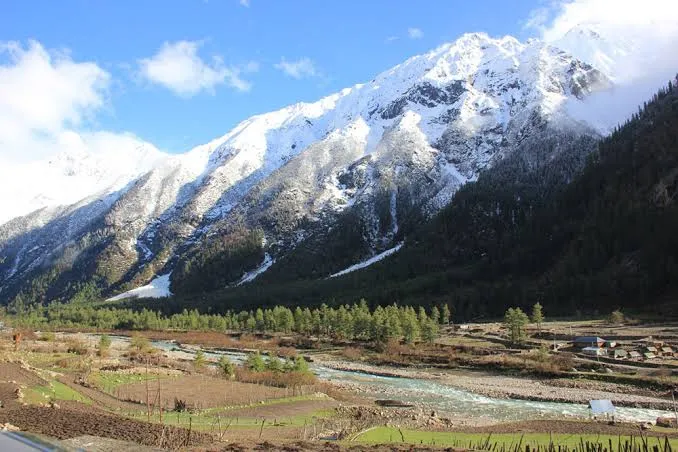
The Ghorepani–Poon Hill route in the Annapurna Region is popular for a reason. Rhododendron forests. Stone steps. Teahouses every night. And from Poon Hill, a wide-angle view of the Annapurna and Dhaulagiri ranges that feels unfair for how little effort it takes.
It’s usually done in 4–5 days. That includes some steep climbs, but nothing technical.
Most people miss this by rushing. Start early on summit morning. Walk down slowly. The forest is part of the experience, not just the approach.
Mardi Himal Trek
Best for: Big mountain feel without crowds
Mardi Himal sits quietly beneath Machapuchare, and for a short trek, it punches above its weight.
This one takes about 5–6 days and feels more remote than Poon Hill, even though it’s still in the Annapurna region. Trails move from forest to ridge quickly, and the views arrive sooner than expected.
A small warning: weather matters here. Clouds roll in fast. If visibility is poor, the payoff drops.
Still, when it works, it really works.
Langtang Valley Trek (Short Version)
Best for: Culture and scenery close to Kathmandu
Langtang often gets labeled as a “long trek,” but a shortened version is very doable if you’re selective.
You can walk into Langtang Valley, reach Kyanjin Gompa, and return in about 6–7 days. No flights. Just a drive from Kathmandu and steady walking.
This trek combines mountain views, yak pastures, and Tamang villages that feel lived-in rather than staged.
This is where trips often go wrong: trying to add side trips and pushing the pace. Keep it simple. The valley itself is enough.
Australian Camp & Dhampus Trek
Best for: First-timers or very tight schedules
This is more of a long walk than a trek—but that’s not a bad thing.
From Pokhara, you can reach Australian Camp and Dhampus in 2–3 days. Annapurna South and Machapuchare show up fast. Villages are welcoming. Logistics are easy.
If you’ve never trekked in Nepal or only have a few spare days, this is a smart choice.
Don’t expect wilderness. Expect accessibility and comfort.
Helambu Trek (Short Circuit)
Best for: Quiet trails near the capital
Helambu sits north of Kathmandu and often flies under the radar.
A 5–6 day loop gives you forest paths, Buddhist villages, and moderate altitude without extreme exertion. It’s less dramatic than Annapurna, but calmer.
This is a good option during busier trekking seasons when popular routes feel crowded.
Most people miss Helambu because it doesn’t have a headline viewpoint. That’s also why it stays peaceful.
Royal Trek
Best for: Gentle walking and village life
Despite the name, the Royal Trek is low-key.
It runs along ridges above Pokhara, offering views without major elevation gain. Usually completed in 3–4 days, it’s ideal if you want walking without strain.
This trek is about rhythm, not spectacle. If you’re okay with that, it’s quietly satisfying.
Choosing the Right Short Trek for You
Ask yourself a few honest questions:
- How many real days can I walk?
- Am I okay with basic teahouses?
- Do I want views or villages?
- How much weather risk can I accept?
Short treks magnify trade-offs. One bad weather day has more impact on a four-day trek than a three-week one.
Common Short-Trek Mistakes
Trying to do too much in too little time
Skipping acclimatization entirely
Underestimating downhill fatigue
Not accounting for road or flight delays
Limited time means less room for error. Plan conservatively.
Independent vs. Organized Treks
You can walk most short treks independently if you’re comfortable navigating logistics. But Nepal trekking and hiking tour packages can simplify things when time is tight—transport, permits, pacing.
The key is not who organizes the trek, but whether the plan respects your limits.
My Personal Picks (With Limited Time)
If I had 4 days: Australian Camp or Royal Trek
If I had 5 days: Ghorepani–Poon Hill
If I had 6–7 days: Mardi Himal or Langtang (short version)
I’d skip anything that requires flights if my schedule was tight. Delays happen. Often.
Final Thoughts
You don’t need a long trek to understand Nepal’s mountains. You need the right one.
Short treks work when expectations match reality—when you accept that fewer days mean fewer second chances for weather, energy, and logistics. Choose routes that start easy, end cleanly, and leave room to breathe.
Whether you’re planning independently or exploring Nepal trekking and hiking tour packages, a well-chosen short trek can be the highlight of your trip—not a compromise.
Walk steadily. Look around. That’s enough.
FAQs
1. Can beginners do short treks in Nepal?
Yes. Many routes are suitable for first-time trekkers with basic fitness.
2. Do I need a guide for short treks?
Not always, but guides help with pacing, logistics, and local insight.
3. What’s the best season for short treks?
Spring (March–May) and autumn (September–November) are ideal.
4. How fit do I need to be?
You should be comfortable walking 5–7 hours a day on uneven terrain.
5. Are permits required for short treks?
Yes, most require basic trekking permits.
6. Can I combine a short trek with sightseeing?
Absolutely. That’s where short treks shine.
7. What’s the biggest mistake limited-time trekkers make?
Choosing ambitious routes instead of realistic ones.























Sign in to leave a comment.