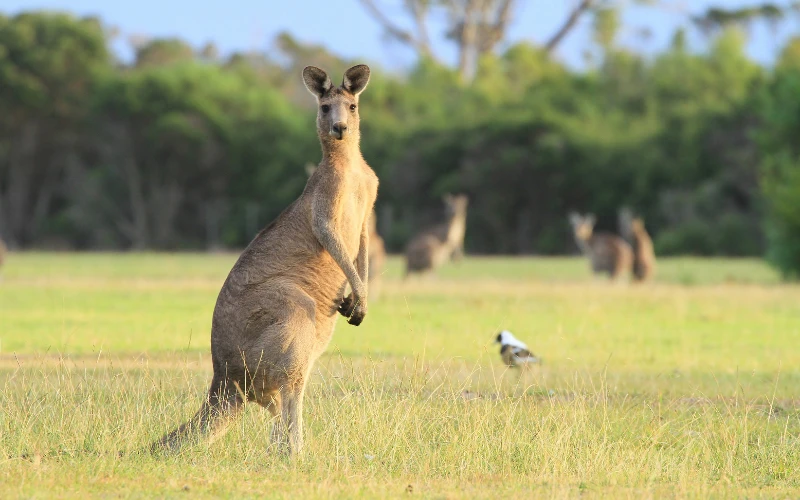

Wildlife in Australia isn’t something you schedule neatly between brunch and sunset drinks. It interrupts plans. It changes pace. It reminds you that this country still belongs—mostly—to animals that don’t care you’re visiting.
If you come expecting tidy encounters behind fences, you’ll miss the point. Australia’s best wildlife experiences happen when you allow a bit of unpredictability. Sometimes that’s uncomfortable. Sometimes it’s unforgettable. That mix is exactly why travelers who value depth—often the same people drawn to Australia luxury holiday experiences that prioritize space and access—end up talking about the wildlife long after everything else fades.
Here’s what genuinely stands out.
Kangaroo Island – Wildlife Without the Middleman
Kangaroo Island feels like Australia stripped back.
Kangaroos don’t pose here. They graze. Koalas nap low enough that you spot them without a guide pointing. Sea lions block walking paths and don’t move because you’d prefer them to.
I once waited fifteen minutes for a sea lion to finish whatever it was doing. No one complained. That’s the tone.
Most people miss: Dawn and dusk. That’s when the island really comes alive.
Where trips go wrong: Treating it as a rushed add-on from Adelaide. Stay at least two nights.
Great Barrier Reef – More Than Coral
Yes, the reef is famous. Yes, parts of it are struggling. Both things can be true.
What still surprises people is how alive it feels when conditions are right. Fish everywhere. Turtles cruising past like they’ve got somewhere important to be.
Choose operators carefully. Smaller boats. Fewer stops. Better briefings.
Honest note: Visibility varies. Don’t expect aquarium perfection every day.
Quiet win: Outer reef trips from less crowded departure points.
Daintree Rainforest – Ancient and Unimpressed
The Daintree doesn’t try to entertain you.
It’s humid. Dense. Loud with insects. You won’t always see wildlife, but you’ll feel surrounded by it.
Cassowaries exist here, but sightings aren’t guaranteed. That’s part of the deal. When you do see one, it stops you mid-step.
Most people miss: Walking quietly. Noise pushes wildlife deeper into cover.
Small warning: Follow safety advice. This is not a theme park forest.
Phillip Island – The Penguin Moment
The penguin parade sounds gimmicky until you see it.
Little penguins waddling ashore at dusk. Thousands of people watching in near silence. It’s oddly moving.
I expected spectacle. What I got was something gentle and respectful.
Where trips go wrong: Ignoring viewing guidelines. Flash photography ruins it—for everyone.
Pro tip: Stay nearby. Rushing back to Melbourne misses the calm after.
Ningaloo Reef – Big Animals, Clear Rules
Swimming with whale sharks is one of those experiences people hype correctly.
Ningaloo does it well. Strict limits. Clear distances. Real respect for the animals.
When a whale shark passes beneath you, the scale recalibrates your brain.
Most people miss: Manta rays. They’re just as impressive.
Timing matters: Whale shark season is short. Plan carefully.
Kakadu National Park – Crocodile Country
Kakadu is not subtle.
Crocodiles are real. Warnings are serious. And the landscapes feel ancient in a way that humbles quickly.
Boat cruises give safe access to wetlands teeming with birds and reptiles. Walking trails exist—but you stay alert.
This is where trips often go wrong: Underestimating distances and heat.
Worth doing: A guided experience with Indigenous insight. It adds depth you won’t get otherwise.
Tasmania – Quiet Encounters
Tasmania feels different. Cooler. Slower. Less showy.
Wombats wander at dusk. Wallabies freeze mid-hop. Tasmanian devils keep mostly to themselves, as they should.
I once had a wombat cross the road, stop, and stare at me like I was the inconvenience. Fair.
Most people miss: Staying outside towns. Wildlife doesn’t live near cafés.
Shark Bay – Subtle and Special
Shark Bay isn’t flashy. That’s why it works.
Dugongs graze offshore. Dolphins interact on their own terms. The ecosystem feels intact.
This isn’t a place for instant gratification. It’s a place for patience.
Where trips go wrong: Expecting guaranteed interactions. Nature doesn’t promise anything.
Zoos vs Wild: A Real Conversation
Australia has excellent wildlife parks and conservation centers. Some are worth your time. Others feel unnecessary if you’ve done the wild version.
If you’re short on time, a well-run sanctuary can offer context. If you’ve got space in your itinerary, prioritize natural settings.
Animals behave differently when they don’t need to perform.
Practical Advice That Actually Helps
- Early mornings and late afternoons matter.
- Distance matters more than maps suggest.
- Respect signs. They exist for reasons.
- Don’t chase sightings. Let them come to you.
Wildlife frustration usually comes from expectations, not reality.
Final Thoughts
Australia’s wildlife experiences aren’t about volume. They’re about quality. One meaningful encounter beats ten rushed ones.
Whether you’re traveling independently or building a journey that leans into space, access, and thoughtful pacing—often the core of the best Australia luxury holiday experiences—the goal is the same: leave room for nature to lead.
Slow down. Pay attention. The animals notice.
FAQs
1. Is Australia safe for wildlife experiences?
Yes, if you follow guidelines and local advice. Respect is key.
2. Do I need guided tours to see wildlife?
Not always, but good guides increase understanding and safety.
3. When is the best time for wildlife viewing?
Early mornings and evenings year-round. Seasons matter for specific species.
4. Are wildlife experiences ethical in Australia?
Many are, especially regulated encounters. Always research operators.
5. What do travelers underestimate most?
Distances, heat, and patience required.
6. Can I see wildlife on a short trip?
Yes, but focus on one or two regions rather than spreading thin.
7. Are luxury experiences compatible with real wildlife encounters?
Absolutely. Comfort and conservation can coexist when done well.

























Sign in to leave a comment.