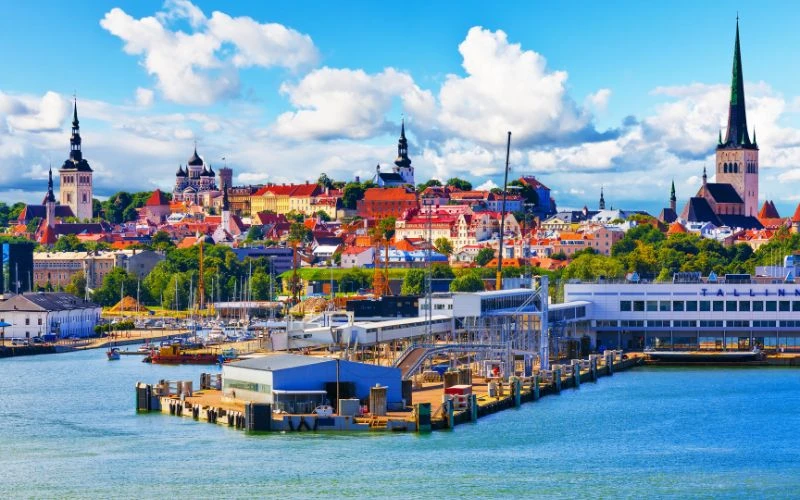

Winter in the Baltic States isn’t soft. It doesn’t ease you in with mild cold or half-hearted snow. It arrives properly—short days, sharp air, quiet streets. And that’s exactly why it works.
I’ve spent winters moving through Estonia, Latvia, and Lithuania, sometimes deliberately, sometimes because flights were cheaper and curiosity won. Each time, the experience felt more intimate than summer travel ever could. Fewer people. Less noise. More room to notice details.
Winter travel here isn’t about ticking landmarks. It’s about atmosphere. If that appeals to you, read on.
The Cold: Real, But Manageable
Let’s address it upfront. Yes, it gets cold. January and February regularly drop below freezing. Snow is common. Ice happens.
But here’s what most people miss: Baltic cities are built for winter. Pavements are cleared. Public transport runs on time. Cafés are warm and welcoming. This isn’t chaotic cold—it’s organized cold.
If you dress properly, you’ll be fine. Wool layers, proper boots, a decent coat. This isn’t the place to test fashion over function. Trips often go wrong when travelers underestimate footwear. Slippery cobblestones plus thin soles equals misery.
Do it right, and the cold fades into the background.
Tallinn: Medieval Quiet Done Right
Winter suits Tallinn better than summer.
The Old Town feels almost theatrical when snow settles on rooftops and towers. Streets empty out. Tour groups thin. You can walk for minutes without hearing another language besides Estonian.
Early mornings are especially good. I once walked from Toompea down into the lower town just after sunrise, snow crunching underfoot, the city completely still. That moment alone justified the trip.
Christmas markets here are small but tasteful. No overwhelming crowds. No loud music. Just mulled wine, local crafts, and restraint. Tallinn does winter quietly—and confidently.
Riga: Grandeur Meets Grey Skies
Riga doesn’t hide from winter. It leans into it.
The city’s Art Nouveau buildings look heavier under winter skies, more dramatic. Riga feels larger than Tallinn, more spread out, and winter emphasizes that scale.
This is a city for long walks followed by long meals. Cafés feel like refuges rather than stops. Locals linger. Conversations stretch.
One warning: Riga can feel bleak if you don’t plan well. Gray days stack up. Build your days around interiors—museums, cafés, concert halls—and treat outdoor walks as punctuation, not the main event.
Vilnius: Warmth Where You Don’t Expect It
Vilnius surprised me the most in winter.
It’s hillier, softer, and feels more lived-in than postcard-perfect. Snow collects in courtyards and along narrow streets. Churches glow warmly in the early darkness.
Vilnius does winter evenings particularly well. Wine bars, candlelit restaurants, and low-lit streets create an almost cinematic feel. It’s romantic without trying.
Most people miss the neighborhoods just outside the Old Town. Walk a little farther. You’ll find everyday life unfolding, even in the cold, and it grounds the experience.
Short Days, Long Evenings
Daylight is limited in winter. In December, you’re looking at six or seven hours of light at best.
This is where expectations matter.
If you’re the type who wants full sightseeing days from dawn to dusk, winter will frustrate you. If you enjoy slower rhythms, it’s perfect.
Plan one main activity per day. Everything else becomes flexible. Afternoons transition naturally into evenings—dinners, concerts, quiet drinks.
Baltic winters teach you to stop cramming days. That’s a gift, not a flaw.
Food: Built for This Season
Baltic cuisine makes sense in winter.
Hearty soups. Root vegetables. Rye bread. Slow-cooked meats. Warm desserts. This isn’t flashy food, but it’s comforting and deeply seasonal.
Winter menus feel intentional, not limited. Restaurants adjust naturally, and you’ll often find better quality than in peak tourist months.
One of my favorite winter memories is a simple lunch—beet soup, dark bread, hot tea—while snow fell steadily outside a café window. No rush. No agenda.
Nature Without the Crowds
Yes, nature is harder to access in winter. Trails can be icy. National parks require more planning.
But what you gain is solitude.
Frozen coastlines, snow-covered forests, and quiet parks close to cities offer moments of stillness that summer travelers never see. Even short walks feel significant.
Just be realistic. Winter nature here is about atmosphere, not adventure sports—unless you’re well-prepared.
Getting Around: Easier Than You Think
Public transport runs reliably in winter. Trains, trams, buses—no drama.
Intercity travel between Tallinn, Riga, and Vilnius is straightforward, though weather can occasionally slow things down. Build buffer time. Rushing defeats the purpose of winter travel.
Some travelers explore the region through Baltic Travel Packages from Dubai, which can simplify logistics in colder months. Others travel independently without issue. Either way, winter doesn’t complicate movement as much as people fear.
Why Winter Travel Works Here
The Baltic States don’t perform for visitors in winter. They simply exist.
That authenticity shows. Locals aren’t exhausted by crowds. Cities feel more honest. You’re not competing for space or attention.
Winter strips away the surface and leaves structure, rhythm, and daily life. If you’re curious about how places really function, this is the season to visit.
Final Thoughts: Should You Visit the Baltic States in Winter?
Winter travel in the Baltic States isn’t for everyone. It requires preparation, patience, and a willingness to slow down.
But if you value atmosphere over activity, quiet over crowds, and depth over checklists, it’s one of the most rewarding times to visit.
Dress properly. Plan lightly. Let evenings stretch. And don’t fight the season—move with it.
That’s when the Baltics reveal their winter character.
FAQs: Winter Travel in the Baltic States
1. How cold does it get in the Baltic States during winter?
Temperatures often range from -5°C to -15°C, sometimes colder.
2. Is winter a good time to visit Tallinn, Riga, and Vilnius?
Yes, if you enjoy quiet cities and winter atmosphere.
3. Are attractions open in winter?
Most museums, restaurants, and sites remain open year-round.
4. What’s the biggest mistake winter travelers make?
Underestimating footwear and overpacking daily plans.
5. Are Christmas markets worth visiting?
Yes—small, atmospheric, and less commercial than elsewhere in Europe.
6. Is it safe to walk around in winter conditions?
Generally yes. Just be cautious on icy streets.
7. When is the best winter month to visit?
December for atmosphere, February for fewer crowds and deeper winter feel.
























Sign in to leave a comment.