
The UK doesn’t try to win you over all at once. It doesn’t rely on perfect weather or dramatic reveals. It works more quietly than that. One good walk. One pub lunch that lasts longer than planned. One conversation with a stranger that turns into directions, stories, and opinions you didn’t ask for but end up enjoying.
I’ve seen travelers come with low expectations—usually shaped by jokes about weather or food—and leave surprised by how much ground the UK covers in a short distance. Cities feel distinct. Countryside changes fast. History sits right next to everyday life, not behind glass.
Whether you’re traveling solo, with family, or even considering slower, curated options like UK honeymoon packages, the UK keeps showing up as a reliable choice. Not because it’s flashy, but because it works.
You Can See a Lot Without Feeling Rushed
One of the UK’s biggest strengths is scale.
You can have breakfast in a city, lunch in the countryside, and dinner by the coast without spending half your day in transit. Trains are frequent. Roads are compact. Distances look short on the map—and usually are.
This is where trips often go wrong for first-time visitors: they try to do too much because everything looks close. The trick is doing slightly less. Pick fewer bases. Let places breathe.
That flexibility is a big reason the UK suits so many travel styles. You adjust plans without breaking the trip.
Cities That Don’t Compete (They Specialize)
UK cities don’t blend into one another. Each has a role.
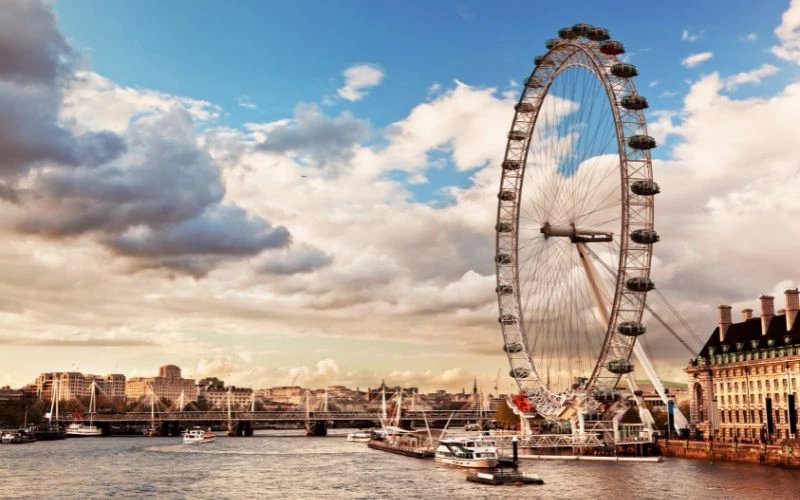
London is the obvious anchor. Big. Layered. Expensive in places, excellent in others. Museums are world-class and mostly free. Neighborhoods matter more than landmarks once you settle in.
But the UK doesn’t revolve around London.
Edinburgh feels compact and theatrical, especially when weather rolls in. Manchester is creative and direct. Bristol feels independent and quietly confident.
You don’t visit these cities to tick boxes. You visit them to get a feel. That’s why people keep returning.
Countryside That’s Lived In, Not Locked Away
The UK’s countryside isn’t remote wilderness. It’s working land. Farms, villages, footpaths, pubs—all stitched together.
You walk through fields where sheep outnumber people. You pass through villages where life hasn’t paused for tourism. Footpaths cut across private land because access is part of the culture.
This accessibility is rare. You don’t need permits or guides to experience it. Just decent shoes and a sense of direction.
Most people miss this by staying city-bound or driving straight through. Walking—even short distances—changes everything.
History That’s Not Just Decorative
The UK has history everywhere, but it doesn’t always announce it.
Roman walls sit behind shops. Medieval churches host local meetings. Castles overlook modern housing estates. History here isn’t preserved in isolation—it’s woven into daily routines.
You don’t need to be a history expert to enjoy it. You just notice layers. Old stone next to new glass. Traditions still followed because they work, not because they’re reenacted.
This makes the UK approachable. History doesn’t demand attention. It waits for it.
Food Is Better Than the Reputation (If You Choose Well)
British food jokes persist. They’re outdated.
What matters is where you eat. Pubs vary wildly. Some are forgettable. Others are excellent. Local bakeries, neighborhood cafés, and markets are where the UK eats well.
You’ll find:
- Strong breakfast culture
- Serious baking
- Regional specialties done quietly well
- Outstanding international food, especially South Asian
Most travelers go wrong by eating near major attractions. Walk ten minutes away. It’s a different country.
Food here isn’t about spectacle. It’s about comfort and consistency. That grows on you.
Culture That’s Easy to Read
The UK is socially easy.
People queue. They apologize reflexively. They complain about weather and trains with equal sincerity. Humor is dry and often self-directed.
You don’t need to decode behavior much. What’s polite is usually obvious. What’s rude is rarely aggressive.
This ease matters when you’re tired, jet-lagged, or navigating a new place. The UK doesn’t demand emotional energy to function in.
Weather: Overplayed, But Real
Yes, the weather is unpredictable. No, it’s not always bad.
Rain happens. Clouds move fast. Light changes constantly. That actually adds texture to landscapes and cities.
The mistake travelers make is planning rigid outdoor days without flexibility. Build backup options. Museums, cafés, covered markets.
The UK rewards adaptability. If you expect perfection, you’ll be annoyed. If you expect variation, you’ll be fine.
It Works for Short Trips and Long Ones
Few countries handle both well.
You can spend three days in London and feel satisfied. You can spend three weeks crossing regions and still feel like you’ve only scratched the surface.
That range is why the UK keeps appearing on repeat itineraries. First trip. Return trip. Slower trip.
It grows with you as a traveler.
It’s Easy to Travel Independently
Language helps. Infrastructure helps more.
Trains are frequent. Signage is clear. Accommodation ranges widely. Solo travel feels normal here.
This independence is one reason couples and solo travelers often choose the UK for meaningful trips, including quieter, experience-driven journeys like UK honeymoon packages that don’t rely on constant activity.
You’re not managed. You’re supported.
Where Travelers Misjudge the UK
- Underestimating costs in certain cities
- Overplanning because distances look short
- Eating in tourist zones
- Expecting dramatic scenery everywhere
The UK’s appeal is cumulative, not instant.
Why People Keep Coming Back
Because the UK doesn’t exhaust you.
It doesn’t overwhelm with spectacle. It doesn’t require constant planning. It gives you room to notice things—small details, daily habits, unexpected conversations.
That kind of travel stays with people longer than highlights.
Final Thoughts
The UK is always a top travel destination because it adapts to you.
You can make it busy or quiet. Urban or rural. Structured or loose. It doesn’t force a single narrative.
If you travel with curiosity instead of expectations—whether on your first visit or through more personal journeys like UK honeymoon packages—the UK consistently delivers something useful: ease, depth, and the sense that you could come back and do it differently next time.
And many people do.
FAQs
1. Is the UK expensive to travel
It can be, especially in London, but costs are manageable with planning.
2. Is the UK good for first-time international travelers?
Yes. Language, transport, and safety make it approachable.
3. How many days do I need for a UK trip?
7–10 days works well. Longer trips allow deeper regional travel.
4. Do I need a car?
Not always. Trains cover most routes. Cars help in rural areas.
5. Is the food really that bad?
No. Choose wisely and it’s consistently good.
6. What’s the best time to visit?
Late spring and early autumn offer the best balance.
7. Is the UK suitable for couples?
Very. Especially for slow, experience-focused travel.





























Sign in to leave a comment.