
As modern manufacturing continues to evolve, the demand for precision, speed, and reliability has never been higher. Industries such as electronics, aerospace, and medical device manufacturing rely on specialized tools to achieve exacting standards. Among the most critical tools supporting these operations are carbide PCB drill bits and long-reach end mills, both of which are designed to handle complex machining challenges with accuracy and efficiency.
The Role of Carbide PCB Drill Bits in Electronics Manufacturing
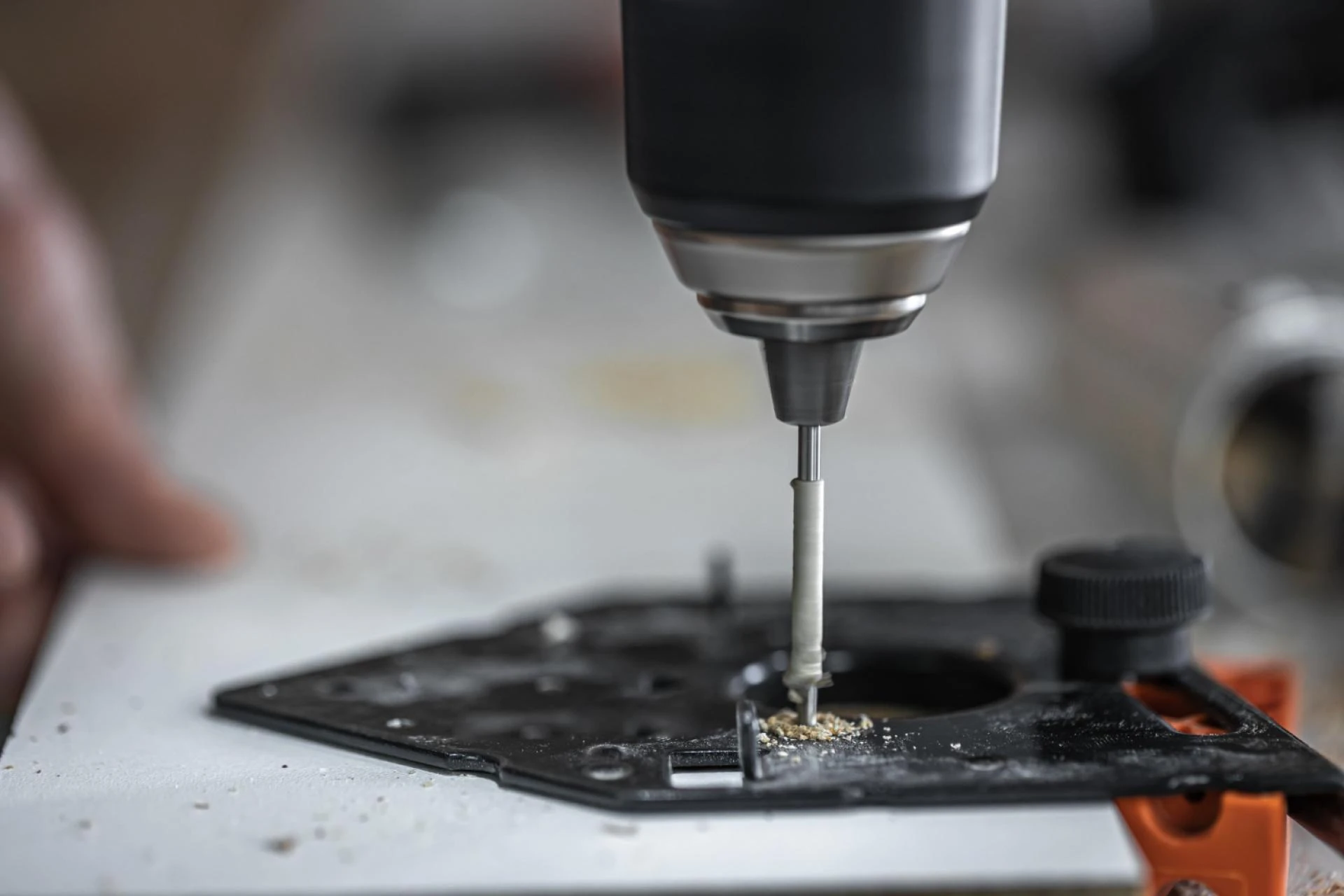
Printed circuit boards (PCBs) are integral to virtually every electronic device. The process of manufacturing these boards involves drilling numerous holes for vias and component placement, requiring tools that can deliver consistent precision at high speeds. This is where carbide PCB drill bits excel.
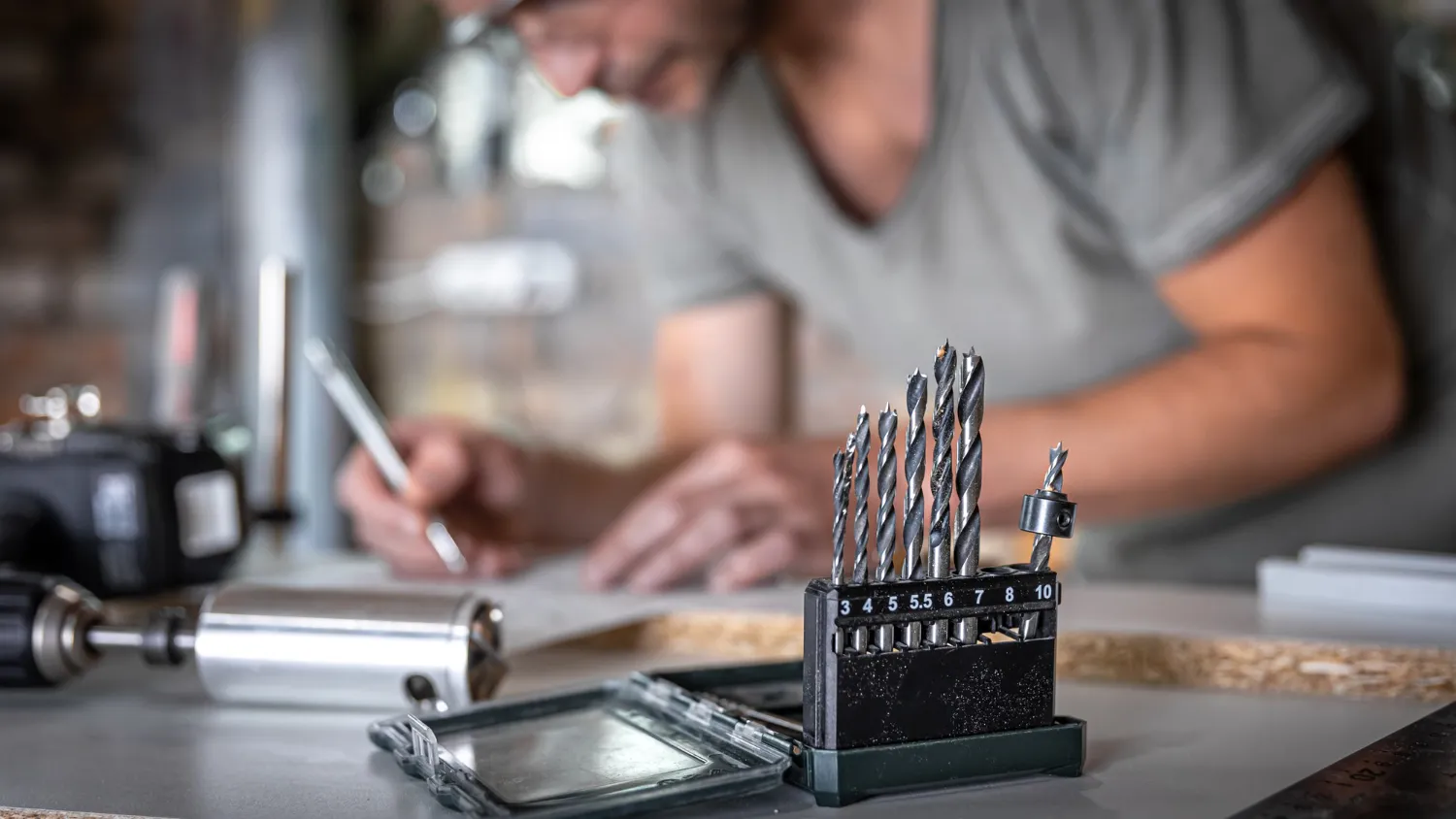
Made from solid carbide, these drill bits are known for their exceptional hardness and wear resistance. Carbide PCB drill bits are specifically engineered to handle the abrasive nature of PCB materials, such as fiberglass-reinforced laminates. Their ability to maintain sharp cutting edges ensures clean and accurate holes, which are essential for proper electrical connectivity.
Another advantage of carbide PCB drill bits is their performance under high-speed conditions. In automated production environments, these tools operate at extremely high rotational speeds, enabling manufacturers to drill thousands of holes quickly and efficiently. Their durability reduces the frequency of tool changes, contributing to improved productivity and lower operational costs.
Long-Reach End Mills for Complex Machining
While drilling is a crucial step in PCB fabrication, other industries require tools capable of machining deep or hard-to-reach areas. Long-reach end mills are designed to meet this need. These tools feature extended lengths that allow them to access areas that standard end mills cannot reach.
Long-reach end mills are commonly used in applications such as mold making, aerospace component manufacturing, and precision engineering. Their extended design enables them to machine deep cavities and intricate geometries without compromising accuracy.
However, the increased length of these tools presents unique challenges, particularly in terms of stability and vibration control. To address this, long-reach end mills are engineered with optimized geometries and high-quality materials that enhance rigidity and reduce deflection. This ensures smooth cutting performance and high-quality surface finishes.
Material Technology and Tool Performance
The performance of both carbide PCB drill bits and long-reach end mills is heavily influenced by the materials and coatings used in their construction. Carbide remains the material of choice due to its strength, hardness, and resistance to wear.
For carbide PCB drill bits, advanced coatings such as diamond-like carbon (DLC) or titanium aluminum nitride (TiAlN) are often applied to improve heat resistance and reduce friction. These coatings help extend tool life and maintain cutting efficiency, even in demanding environments.
Similarly, long-reach end mills benefit from specialized coatings that enhance durability and performance. These coatings reduce tool wear and improve chip evacuation, allowing for smoother machining operations. The combination of high-quality materials and advanced coatings ensures that these tools can handle challenging applications with ease.
Achieving Precision and Consistency
In high-precision manufacturing, consistency is just as important as accuracy. Both carbide PCB drill bits and long-reach end mills are designed to deliver repeatable results across large production runs.
Computer numerical control (CNC) systems play a vital role in achieving this consistency. By precisely controlling parameters such as speed, feed rate, and tool position, CNC machines ensure that each operation is performed with exact accuracy. When paired with high-quality tools like carbide PCB drill bits and long-reach end mills, manufacturers can achieve exceptional levels of precision.
Maintenance and Best Practices
To maximize the performance and lifespan of these tools, proper maintenance is essential. Carbide PCB drill bits should be regularly inspected for wear and replaced when necessary to maintain drilling accuracy. Proper handling and storage are also important to prevent damage.
For long reach end mills, maintaining stability during operation is critical. This includes ensuring proper tool setup, minimizing vibration, and using appropriate cutting parameters. Regular cleaning and inspection help keep the tools in optimal condition and prevent unexpected failures.
Implementing a proactive maintenance strategy not only extends tool life but also enhances overall production efficiency.
Applications Across Industries
The versatility of carbide PCB drill bits and long-reach end mills makes them valuable across a wide range of industries. In electronics manufacturing, carbide PCB drill bits are essential for producing high-quality circuit boards. In contrast, long-reach end mills are widely used in industries that require machining of deep or complex structures.
From automotive components to aerospace parts, these tools enable manufacturers to meet the demanding requirements of modern production. Their ability to deliver precision and reliability makes them indispensable in today’s competitive manufacturing landscape.
Conclusion
Precision tooling is at the heart of successful manufacturing operations. Carbide PCB drill bits provide the accuracy and durability needed for intricate drilling tasks, while long-reach end mills offer the reach and stability required for complex machining applications. Together, they represent the advanced capabilities that modern industries depend on to produce high-quality, reliable products.
By investing in the right tools and maintaining them properly, manufacturers can achieve superior performance, reduce costs, and stay ahead in an increasingly demanding market.



























Sign in to leave a comment.