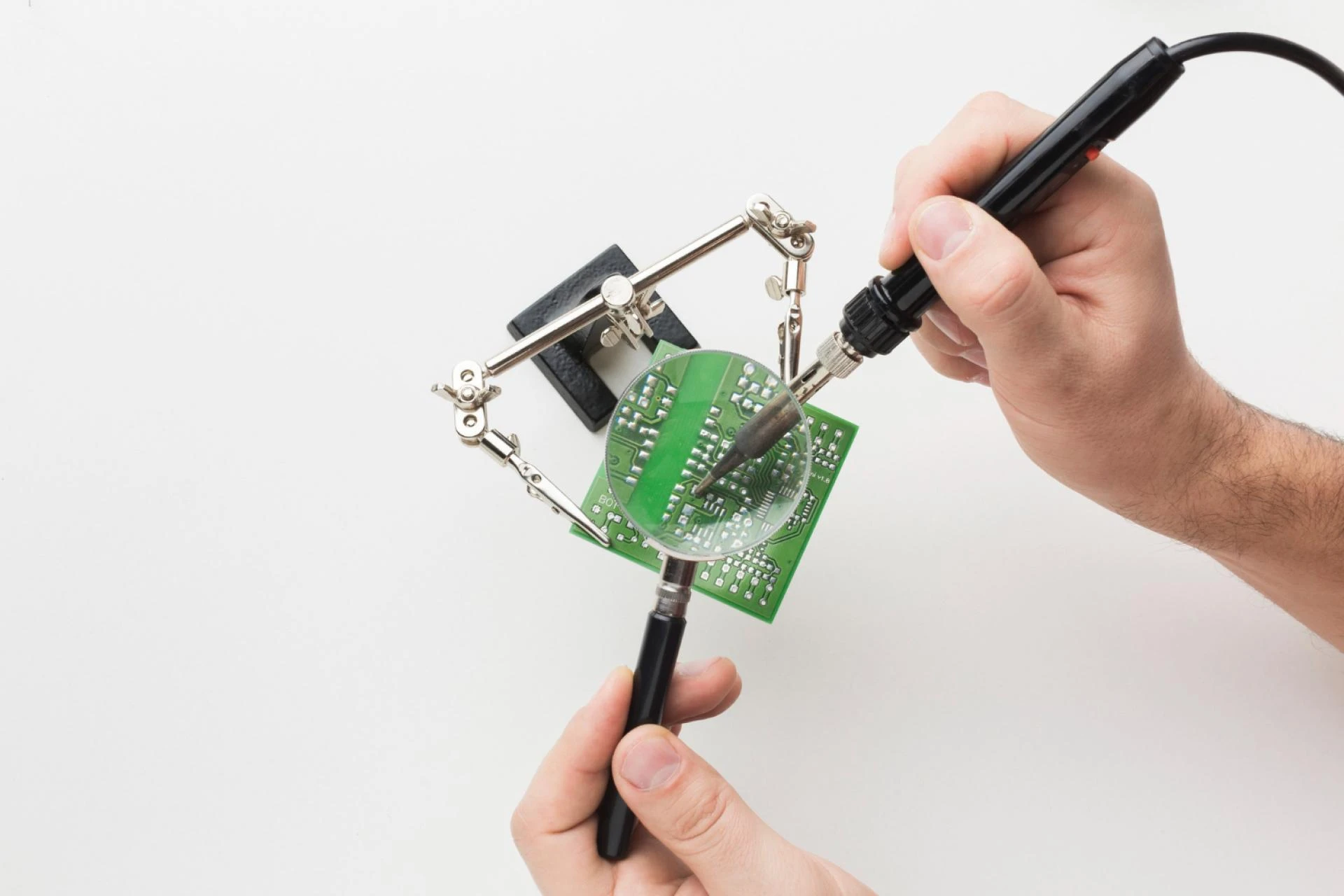

In PCB manufacturing, precision is everything. Thousands of drilled holes and routed paths must meet strict dimensional tolerances across every production run. While tooling quality is essential, long term performance depends heavily on preventive maintenance. Without disciplined maintenance practices, even the best tools and machines will degrade prematurely.
At Midwest Circuit Technology, we emphasize preventive maintenance as a foundational strategy for protecting both PCB tooling and machine life. Consistent inspection and upkeep reduce downtime, improve yield, and safeguard long term operational efficiency.
Why Preventive Maintenance Matters
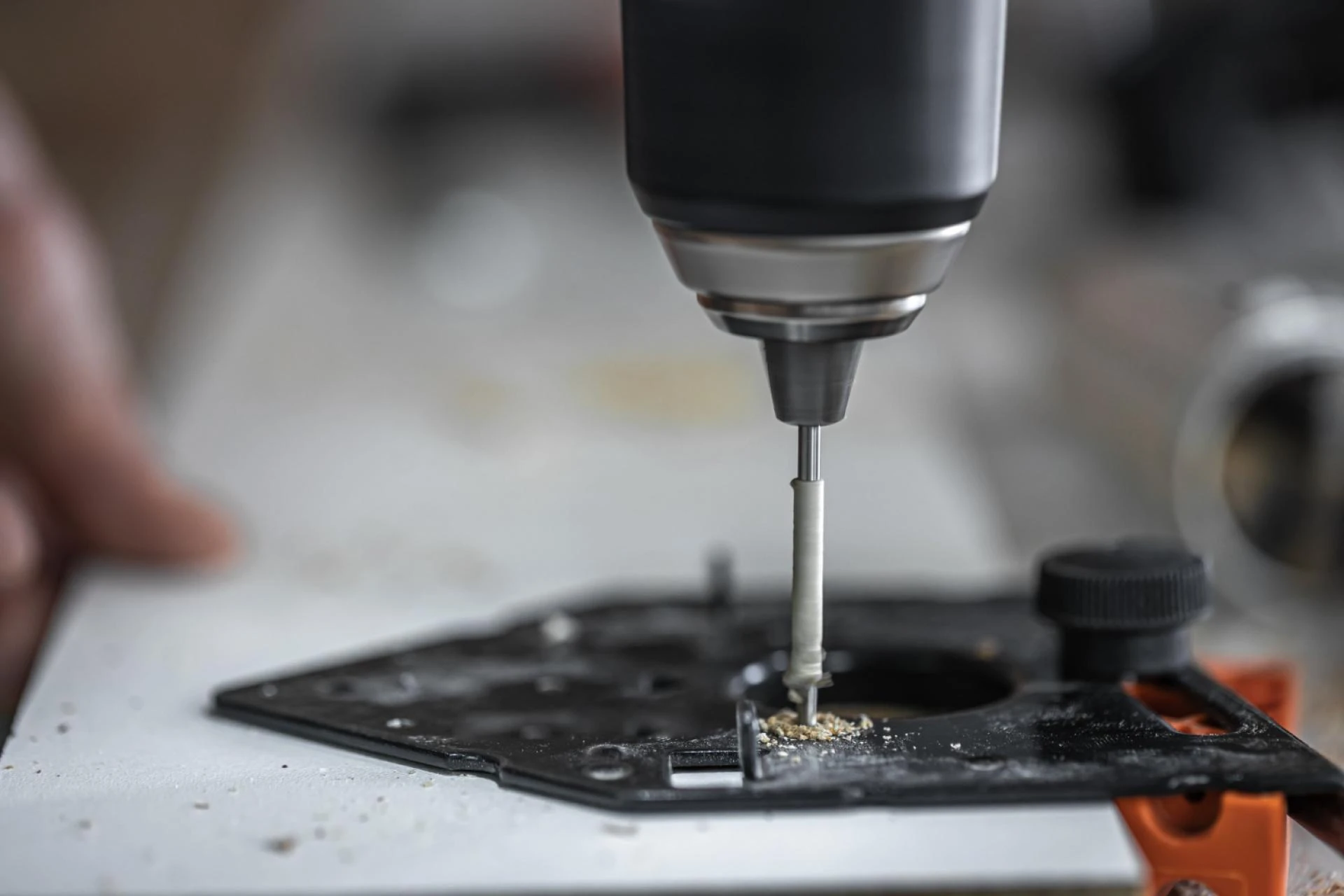
PCB drilling and routing operations expose tools and machines to significant stress. High spindle speeds, abrasive fiberglass laminates, and continuous production cycles accelerate wear on both cutting tools and mechanical components.
Without structured maintenance, manufacturers often face:
• Sudden tool breakage
• Inconsistent hole sizes
• Increased vibration and chatter
• Reduced spindle accuracy
• Unplanned machine downtime
Preventive maintenance addresses small issues before they develop into costly failures.
Protecting Cutting Tool Performance
Cutting tools such as drills and routing tools wear gradually over time. As edges dull, friction increases. This raises cutting forces and heat, which in turn shortens tool life and reduces hole quality.
Maintenance programs should include:
• Regular inspection of cutting edges
• Tracking hole counts and routing cycles
• Scheduled tool replacement intervals
For specialized applications such as End Mills for Pool Cues or other precision operations, consistent maintenance preserves edge sharpness and dimensional control. Even slight wear can affect surface finish and product quality.
By replacing tools proactively rather than reactively, manufacturers maintain consistent performance and protect production schedules.
Maintaining Spindle Accuracy
The spindle is the heart of PCB drilling and routing machines. It holds and rotates cutting tools at high speed. Any deterioration in spindle accuracy directly affects tool performance.
Over time, spindle parts such as bearings, collets, and retaining components experience wear. This can introduce runout and vibration.
Common symptoms of spindle wear include:
• Oversized or out of round holes
• Uneven routing paths
• Increased noise during operation
• Shortened tool life
Regular inspection and replacement of worn spindle parts help maintain concentricity and stability.
Vibration Control and Machine Stability
Vibration not only reduces dimensional accuracy but also accelerates both tool and machine wear. Poor maintenance of mechanical components increases the likelihood of vibration related defects.
Preventive strategies include:
• Checking spindle balance
• Verifying torque on mounting hardware
• Inspecting bearings for early signs of wear
• Ensuring machine frames remain rigid and aligned
Stable machines allow tools to cut efficiently without excessive stress.
Cleaning and Debris Management
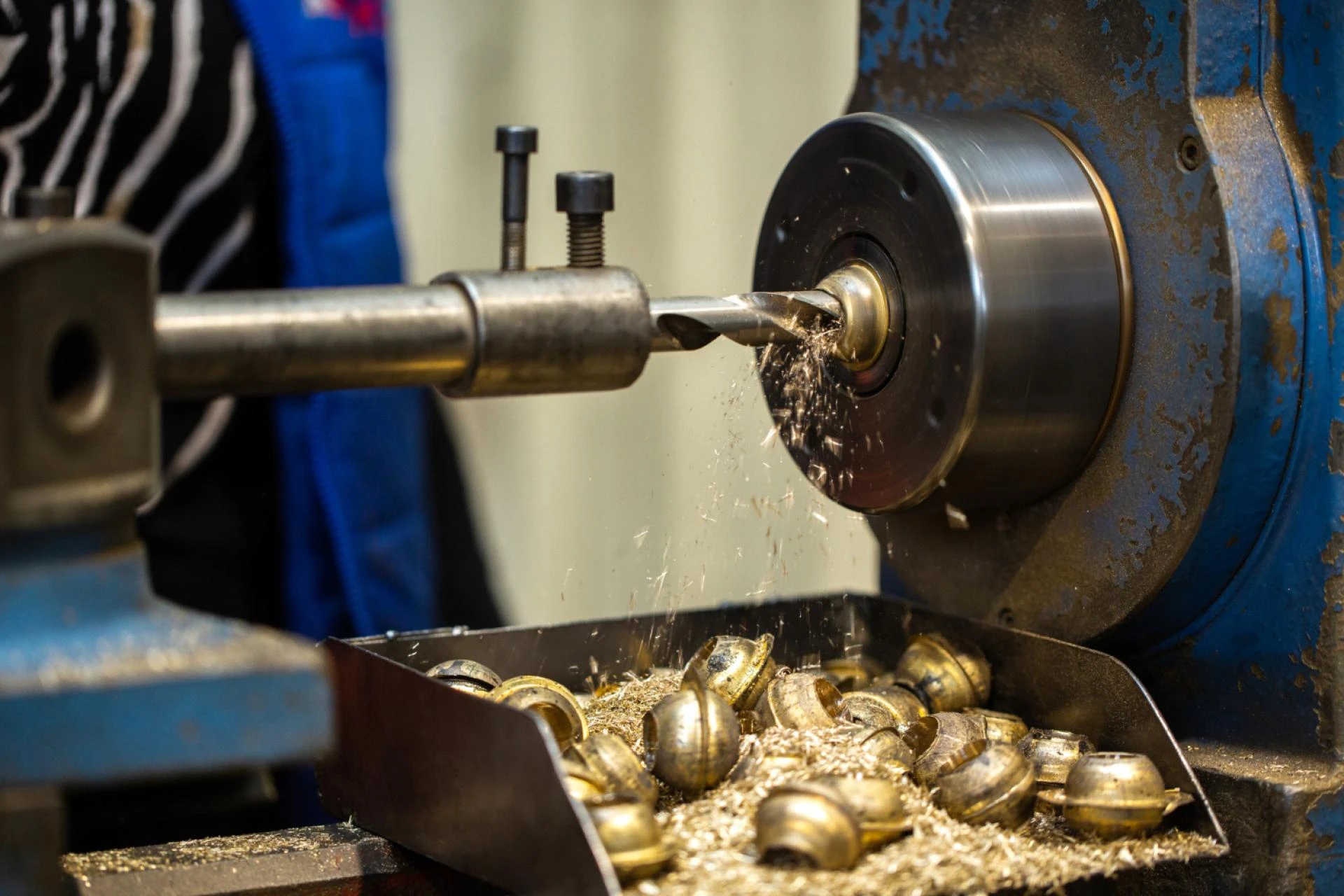
PCB machining produces fiberglass dust and resin particles that accumulate in critical areas. If not removed, debris can interfere with cooling, affect spindle movement, and increase friction.
Routine cleaning:
• Protects spindle parts from contamination
• Reduces overheating
• Maintains accurate tool clamping
A clean machine environment extends component life and improves reliability.
Monitoring Lubrication and Cooling Systems
Mechanical components require proper lubrication to operate smoothly. Insufficient lubrication increases friction and accelerates wear.
Maintenance schedules should include:
• Verifying lubrication flow
• Inspecting seals and fittings
• Monitoring operating temperatures
Maintaining lubrication systems protects spindle assemblies and ensures consistent performance under high speed conditions.
Early Detection Through Data and Inspection
Preventive maintenance is most effective when supported by systematic monitoring. Tracking performance indicators helps detect subtle changes before failure occurs.
Useful metrics include:
• Spindle vibration levels
• Tool life data
• Hole diameter consistency
• Noise fluctuations
Early detection minimizes disruption and protects both tooling investments and production output.
Reducing Downtime and Improving Throughput
Reactive maintenance leads to unexpected stoppages. These interruptions disrupt schedules and increase production costs.
Preventive maintenance supports:
• Predictable uptime
• Stable production timelines
• Reduced emergency repairs
• Lower total ownership costs
Manufacturers that adopt structured maintenance programs typically see improved throughput and fewer quality issues.
Protecting Long Term Equipment Investment
PCB fabrication equipment represents a significant capital investment. Extending machine life requires consistent care.
Maintaining spindle parts and critical mechanical assemblies reduces the likelihood of catastrophic failure. Timely replacement of worn components prevents damage that could require major repair or replacement.
Preventive maintenance protects the long term value of the equipment and ensures reliable return on investment.
The Midwest Circuit Technology Approach
At Midwest Circuit Technology, we view preventive maintenance as an essential component of precision manufacturing. Tooling quality and machine stability must be supported by disciplined inspection and upkeep.
Whether supporting PCB drilling systems or specialized applications involving End Mills for Pool Cues, our approach emphasizes consistent monitoring, structured replacement intervals, and attention to spindle parts that directly influence cutting accuracy.
By integrating preventive maintenance into daily operations, manufacturers create a stable environment where tools perform consistently and machines operate efficiently.
Final Thoughts
Preventive maintenance is not an optional practice in PCB manufacturing. It is a strategic investment that extends tooling life, preserves machine stability, and improves overall production reliability.
Regular inspection of cutting tools, proactive replacement of spindle parts, vibration monitoring, and disciplined cleaning routines collectively support long term performance.
At Midwest Circuit Technology, we believe that protecting equipment and tooling through preventive maintenance is one of the most effective ways to ensure consistent quality and sustainable productivity in modern PCB fabrication.


























Sign in to leave a comment.