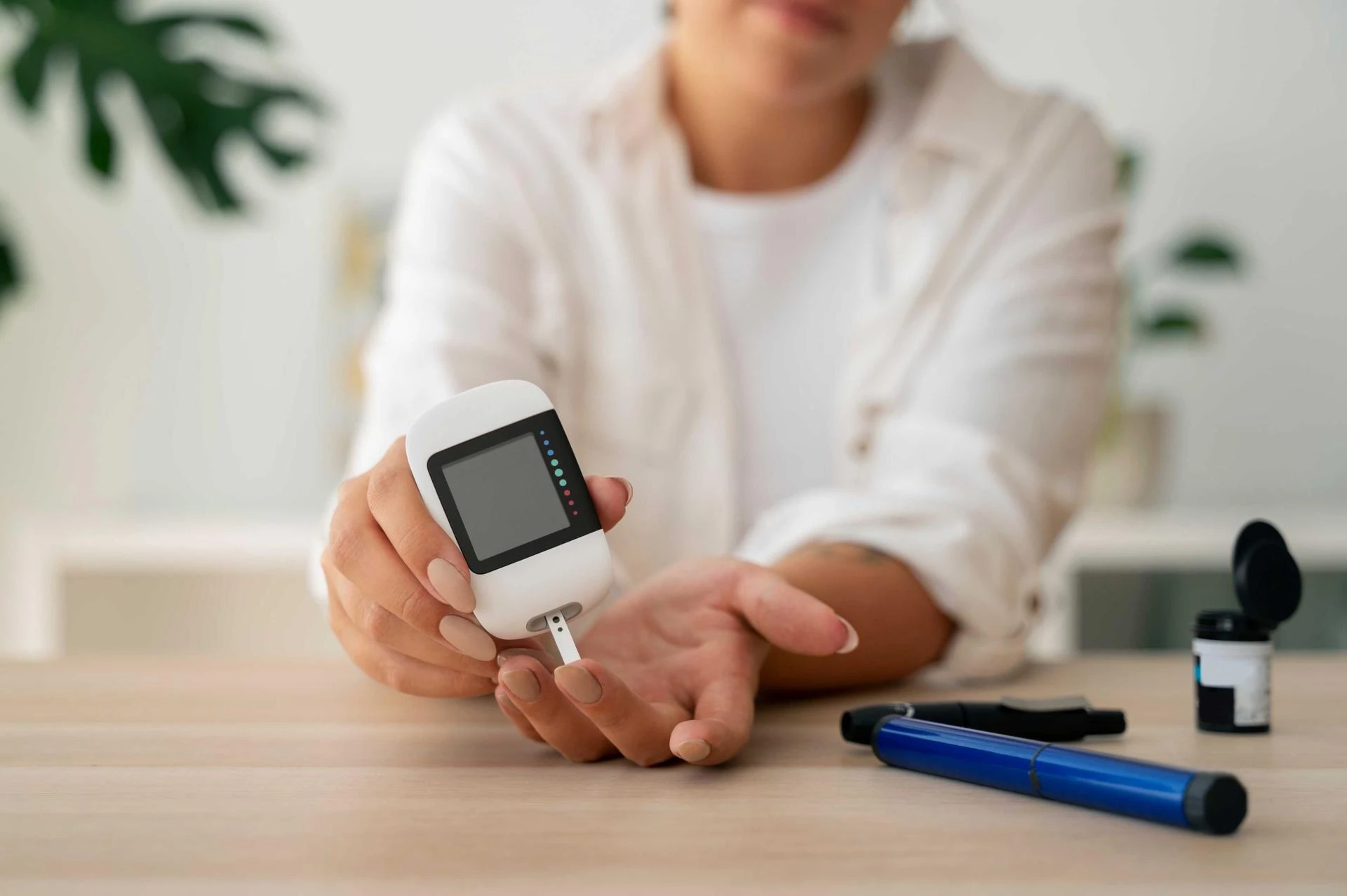

Prediabetes is a growing health concern that often goes unnoticed because it rarely shows obvious symptoms in its early stages. It occurs when blood sugar levels are higher than normal but not yet high enough to be diagnosed as type 2 diabetes. Many individuals only become aware of the condition during routine health checkups or while searching for the best diabetes doctor in Raleigh after experiencing fatigue, weight gain, or increased thirst. The good news is that prediabetes is reversible if detected early and managed properly.
Understanding prediabetes and taking timely preventive steps can significantly reduce the risk of developing full-blown diabetes and its long-term complications.
What Is Prediabetes?
Prediabetes is a metabolic condition in which the body starts losing its ability to regulate blood sugar efficiently. This usually happens when the body becomes resistant to insulin or when insulin production is insufficient. As a result, glucose accumulates in the bloodstream instead of being used for energy.
People with prediabetes often feel healthy and may not experience noticeable symptoms. However, internally, elevated blood sugar levels begin to damage blood vessels, nerves, and organs. Without intervention, many individuals with prediabetes go on to develop type 2 diabetes within a few years.
Common Causes and Risk Factors
Several factors increase the risk of developing prediabetes. Being overweight, leading a sedentary lifestyle, poor dietary habits, and a family history of diabetes are among the most common contributors. Age, stress, hormonal imbalances, and conditions such as high blood pressure or polycystic ovary syndrome (PCOS) can also raise the risk.
In urban areas, lifestyle-related conditions are increasingly managed through Raleigh primary care services, where early screening and preventive guidance play a crucial role. Regular health checkups allow doctors to identify prediabetes before it progresses.
Signs and Symptoms to Watch For
Prediabetes often develops silently, but some people may notice subtle warning signs. These can include frequent fatigue, increased hunger, unexplained weight gain, slow-healing wounds, and darkened skin patches around the neck or underarms.
Because symptoms are mild or absent, many individuals delay medical attention. This makes routine blood sugar testing essential, especially for those with risk factors. Early diagnosis provides an opportunity to reverse the condition through lifestyle changes and medical guidance.
How Prediabetes Can Progress to Diabetes
Without proper management, prediabetes gradually progresses to type 2 diabetes. Persistently high blood sugar levels damage insulin-producing cells in the pancreas, making it harder for the body to control glucose levels.
Once diabetes develops, the risk of complications such as heart disease, kidney damage, nerve problems, vision issues, and infections increases significantly. This is why healthcare providers in primary care Raleigh NC emphasize early intervention and continuous monitoring for patients with prediabetes.
How to Prevent Diabetes Naturally
The most effective way to prevent diabetes is through consistent lifestyle modifications. Weight loss, even as little as 5–7% of body weight, can greatly improve insulin sensitivity. Regular physical activity, such as brisk walking, yoga, or strength training, helps the body use glucose more efficiently.
Diet plays a crucial role in prevention. A balanced diet rich in whole grains, vegetables, lean proteins, and healthy fats helps stabilize blood sugar levels. Reducing sugar, refined carbohydrates, and processed foods is equally important. Staying hydrated, managing stress, and getting adequate sleep further support blood sugar control.
The Role of Primary Care in Prediabetes Management
Primary care physicians play a vital role in managing and preventing diabetes. They provide regular screenings, personalized lifestyle recommendations, and ongoing monitoring to track progress. In some cases, medication may be prescribed to improve insulin sensitivity when lifestyle changes alone are not sufficient.
With the support of trusted Raleigh primary care providers, patients receive holistic care that focuses not only on blood sugar levels but also on overall health and wellness.
Importance of Regular Monitoring
Monitoring blood sugar levels regularly helps identify patterns and assess how lifestyle changes are working. Follow-up appointments allow healthcare providers to adjust treatment plans and address other risk factors such as cholesterol and blood pressure.
Consistent medical guidance significantly reduces the likelihood of prediabetes progressing into diabetes and helps patients maintain long-term health.
Conclusion
Prediabetes is a serious but manageable condition that serves as a warning sign for future diabetes. With early detection, proper lifestyle changes, and regular medical support, it is possible to prevent or delay the onset of type 2 diabetes. Awareness, education, and proactive care are the keys to protecting your long-term health.
If you are concerned about your blood sugar levels or looking for a trusted Raleigh primary care physician, professional guidance can make a meaningful difference. At Satyam Primary Care, patients receive comprehensive, patient-centered care focused on early diagnosis, diabetes prevention, and long-term wellness management.






Sign in to leave a comment.