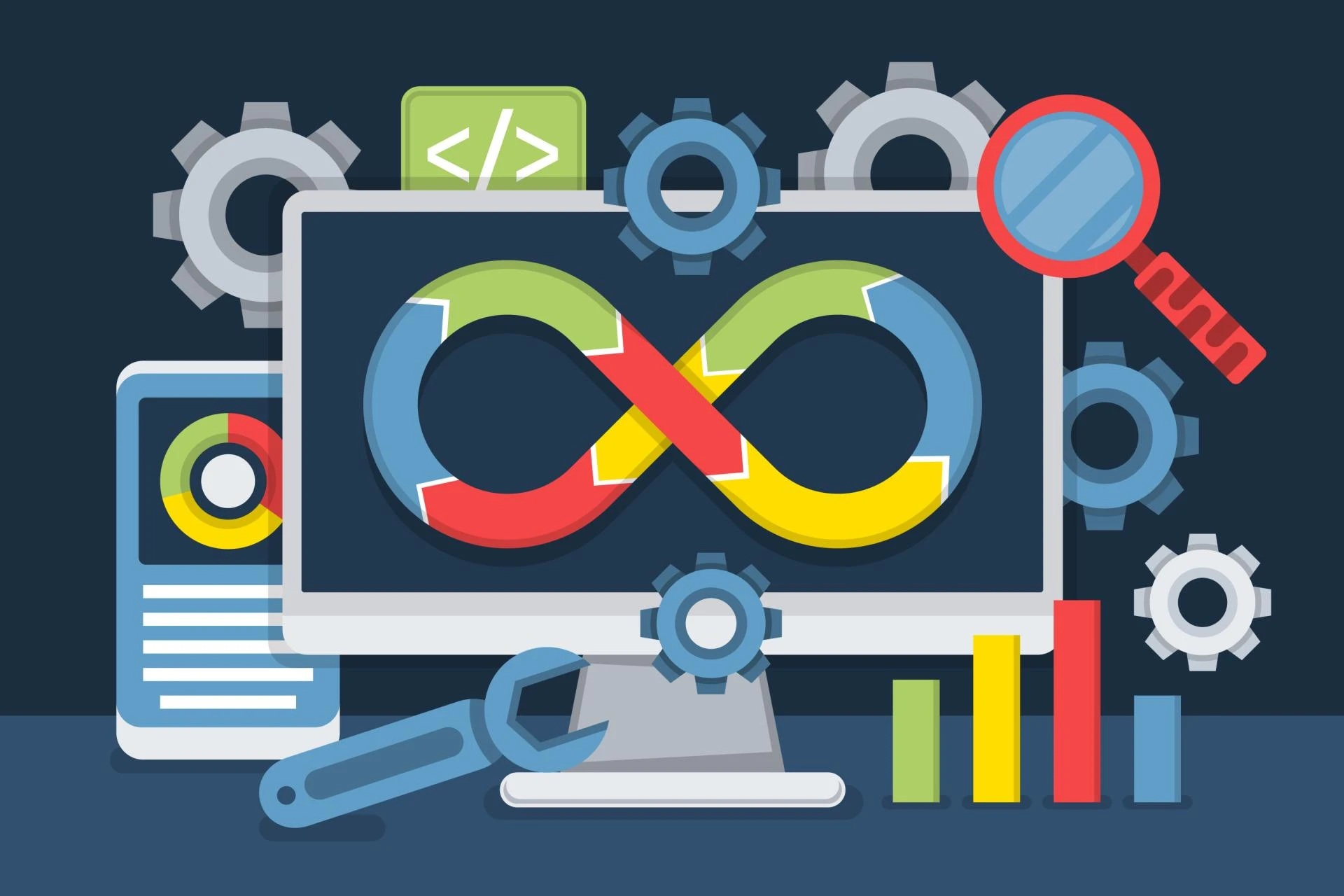

DevOps is constantly transforming; the current trend is adding AI and ML to CI/CD processes. The new method—Predictive DevOps—enables companies to be proactive, streamline their processes, and roll out software faster and more dependably.
Since companies in Bangalore's tech industry compete to be innovative and keep systems steady, there is currently a high demand for artificial intelligence in DevOps. Consequently, DevOps training in Bangalore offers learning about AI/ML approaches to improve performance and flexibility.
This blog thoroughly explores predictive DevOps, discusses how it influences CI/CD, and highlights why professionals and organizations should upskill in this area.
What exactly is predictive DevOps?
Using AI and ML, Predictive DevOps checks previous DevOps information to foresee future trends, support better choices, and automatically perform repetitive work. By analyzing data, they can predict potential issues, estimate the time for deployment, highlight where speed is slow, and provide advice on the best times to roll out updates.
Teams using Predictive DevOps can address issues ahead of time, experience less downtime, and complete deliveries faster.
Benefits of AI/ML in Scaling CI/CD
We can examine predictive DevOps's benefits and functions in CI/CD settings.
1. Failure Prediction
Looking at earlier build and test results, ML models can find patterns often resulting in failures. Early detection of such patterns allows teams to correct problems before moving the code forward.
Example:
When the ML model finds that a particular commit pattern is linked to failure of integration tests, the team can be advised to test that part more diligently beforehand.
2. Automatic Detection of Anomalies
AI tools continuously inspect logs, metrics, and deployment actions to hunt for unusual activity. As a result, there is no need to analyze logs manually and the time taken to fix problems is reduced.
3. Efficient Resource Management
ML can determine the resources needed for building/testing, using information from previous events. It makes sure your cloud system is not oversold or undersold, leading to less cost.
4. Smart Undoing Functionality
If a deployment runs into issues, predictive systems instantly activate rollbacks, using real-time data about user experiences to reduce downtime.
5. Release Score
ML models can score each version and measure confidence using test results, code quality, and data from past errors. It gives teams the information to decide on releasing, delaying, or conducting more testing.
These features are gaining popularity in companies—and are well explained in the recommended DevOps course in Bangalore, which helps students apply AI integrations hands-on.
Key Technologies Fueling Predictive DevOps
Teams need to blend standard DevOps tools with the latest AI/ML technologies to implement predictive DevOps.
AI/ML Frameworks: TensorFlow, PyTorch, Scikit-learn
Log and Metric Analysis Tools: ELK Stack, Splunk, and Prometheus
CI/CD Platforms: Jenkins, GitHub Actions, GitLab CI/CD, Azure DevOps
Cloud Platforms: SageMaker by AWS, Google AI Platform, and Azure ML
During DevOps training in Bangalore, learners commonly use these tools to construct complete CI/CD pipelines that rely on current analytics and predictions.
Use Case: Predictive DevOps Within the FinTech Industry
Envision a FinTech organization that releases new code updates several times a week. In traditional DevOps, their QA teams must devote much time reviewing failed builds and problematic deployments. After adopting Predictive DevOps:
- NLP is used to look through build logs and find the causes of problems without human intervention.
- By reviewing the commit history, modern models can determine which components are most likely to fail.
- Auto-scaling uses predictions of test resource needs to scale cloud usage.
The result:
- Deployment now takes place 20% faster.
- You can expect a 30% decrease in build failures.
- Saving a substantial amount of money on quality assurance and cloud services
The best DevOps course in Bangalore often demonstrates these use cases in capstone projects, enabling learners to use theories in practice.
How Data Helps in Predictive DevOps
The quality of AI and ML models is determined by their data. DevOps teams must start by gathering and organizing the necessary information.
Create logs and check the test outcomes.
Reports of performance metrics and latency
Reviewing bug reports and the list of changes made in the code
Input from users and records of incidents
Companies must use data lakes or log management systems to make this process efficient. With time, the data is an important resource for developing models and enhancements.
Difficulties in Adopting Predictive DevOps
Even though AI/ML has much to offer, integrating it into DevOps faces several problems.
1. Data Quality
Errors can be introduced into the model if logs are not fully documented or not consistent. It is essential to begin with data cleansing and labeling.
2. Distinct Abilities
Many DevOps engineers have never received formal guidance on AI/ML. Special training programs can be used to narrow the gap between future skills and current ones.
By including AI modules in your DevOps training in Bangalore, engineers will have the confidence to handle predictive systems.
3. Model Maintenance
ML models need regular check-ups, retraining, and updating, just as software does. MLOps uses principles to manage the critical stages of machine learning.
The future of DevOps depends on upskilling.
With predictive DevOps becoming the norm, professionals must adapt to stay on top. This is how proper training helps:
Learn about the processes involved in creating, training, and checking the predictions from AI models.
Use pipeline scripts and proper tools like Jenkins and AWS SageMaker in CI/CD.
Construct projects where data is collected, models are built, and these models are deployed for application in a DevOps environment.
Nowadays, the most effective DevOps course in Bangalore includes modules that involve AI, helping developers, testers and DevOps engineers stay current.
The Evolution of Predictive DevOps
Predictive DevOps is expected to develop further with advances in generative AI, self-healing systems, and agentic automation. Imagine:
Systems that design and run tests autonomously.
AI tools that recommend how to optimize architecture.
Using digital twins to test and simulate the deployment of products and systems.
They used to be dreams, but now they are almost here. Preparing for the future involves training yourself to use AI effectively in DevOps.
Final Thoughts
Predictive DevOps is not just a trendy title—it truly helps change the entire process of building, testing, and launching software. When AI/ML is combined with DevOps, software teams can make their delivery quicker, smarter, and more robust.
If you're just starting in DevOps or already leading an organization, it's essential to focus on learning for the future now. Enroll in DevOps training in Bangalore or take up the top DevOps course in the city to develop practical abilities in predictive DevOps and drive the next phase of progress.























Sign in to leave a comment.