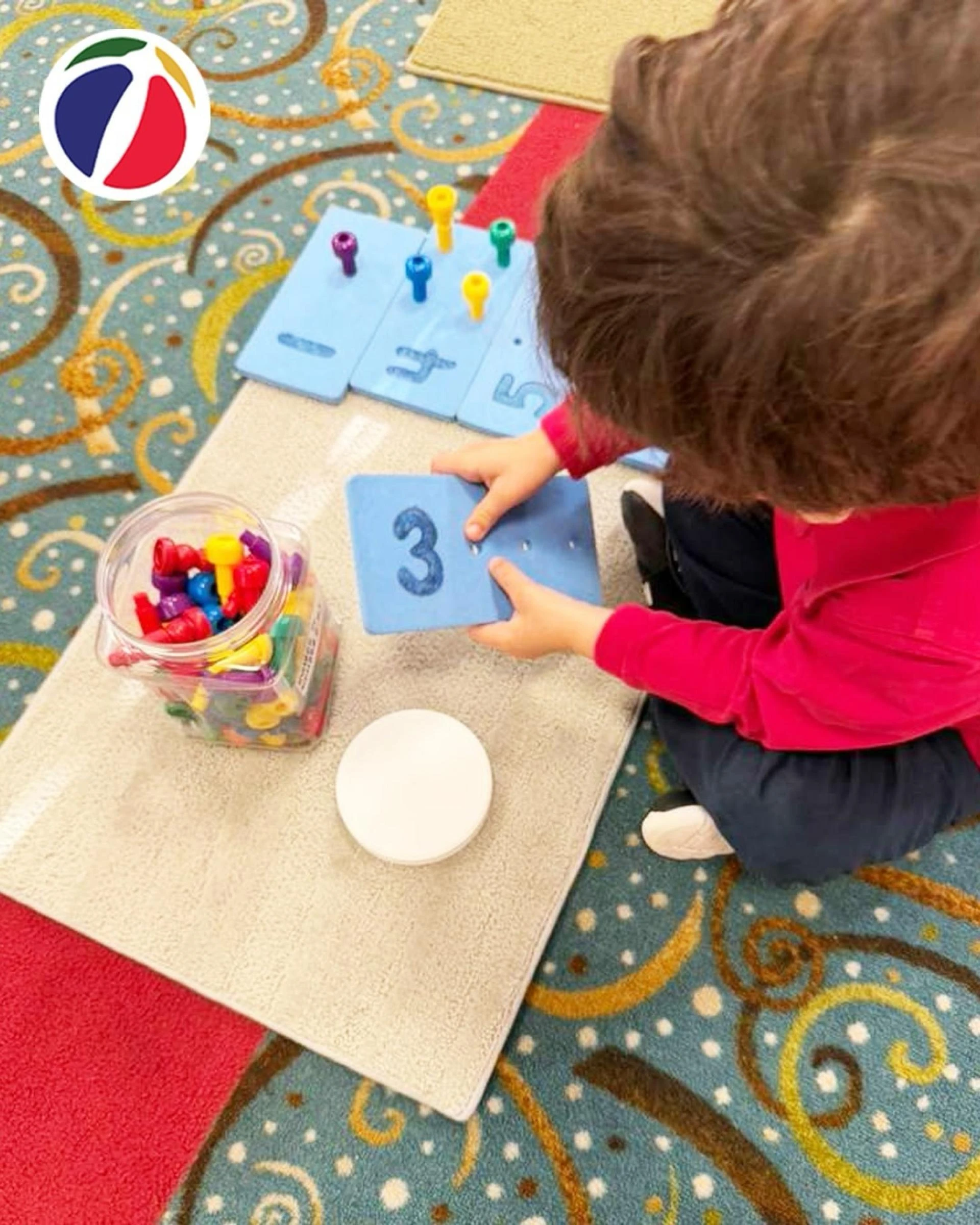

One of the most common questions parents ask is whether their child is truly ready for preschool. The truth is, readiness looks different for every child. However, there are clear signs and practical steps you can take to prepare your little one for this exciting milestone with confidence and ease.
What Preschool Readiness Really Means
- Preschool readiness is not just about age — it is about a child's overall emotional, social, and cognitive development level.
- A ready child does not need to know how to read or write — basic curiosity and openness to new experiences is enough.
- Readiness means a child can function in a group setting for a few hours without becoming completely overwhelmed or distressed.
- Every child develops at their own unique pace, so comparing your child to others is never a reliable measure of readiness.
- True readiness is a combination of the child's temperament, home environment, and the quality of the preschool program itself.
- Parents who understand what readiness actually means are far better equipped to support their child through the transition process.
Emotional Signs Your Child Is Ready
- Your child shows curiosity about the world around them and eagerly explores new environments without excessive fear or hesitation.
- They are beginning to manage small frustrations on their own without immediately falling apart or having a complete meltdown.
- Your child can separate from you for short periods without extreme distress — even if there are a few tears at first.
- They show excitement about meeting new people and seem genuinely interested in interacting with children their own age.
- Your child is developing a basic sense of empathy — noticing when others are sad or upset and responding with care.
- Emotional readiness does not mean a child is perfectly calm — it means they are beginning to navigate big feelings with support.
Social Signs Your Child Is Ready
- Your child enjoys playing alongside other children and shows interest in joining group activities rather than always playing alone.
- They are beginning to understand basic concepts of sharing and taking turns even if they still need reminders and guidance.
- Your child can follow simple two to three step instructions given by an adult other than their primary caregiver at home.
- They show the ability to wait briefly for their needs to be met without immediately escalating into frustration or crying.
- Your child interacts positively with familiar adults outside the family like neighbors, relatives, or family friends comfortably.
- Social readiness means your child is curious about others and willing to engage — perfection in social skills is never required.
Cognitive Signs Your Child Is Ready
- Your child asks lots of questions about how things work, why things happen, and what different objects and animals are called.
- They can focus on a single activity like a puzzle or drawing for at least five to ten minutes without losing interest quickly.
- Your child understands basic concepts like big and small, up and down, more and less without needing constant explanation.
- They can recognize their own name in print and show interest in letters, numbers, colors, and shapes in their environment.
- Your child enjoys books, storytelling, and being read to — this shows strong language development and early literacy interest.
- Cognitive readiness is about curiosity and engagement with the world — not about how much academic content a child already knows.
Physical Signs Your Child Is Ready
- Your child can handle basic self-care tasks like washing hands, using the toilet independently, and managing simple clothing fasteners.
- They have enough stamina to participate in a few hours of structured and unstructured activity without becoming completely exhausted.
- Your child can hold a crayon or pencil and shows interest in drawing, scribbling, and making marks on paper regularly.
- They can sit still for short periods during storytime or a group activity without constantly running around or disrupting others.
- Basic gross motor skills like running, jumping, climbing, and balancing are well developed and age appropriate for their stage.
- Physical readiness ensures your child can participate fully in classroom activities and enjoy the full preschool experience comfortably.
How to Prepare Your Child at Home
- Establish a consistent daily routine at home so your child becomes comfortable with the structure they will experience at preschool.
- Practice short separations by leaving your child with a trusted relative or caregiver for brief periods before school starts.
- Read books about starting preschool together to help your child understand what to expect and feel excited rather than anxious.
- Visit the preschool before the first day so the environment feels familiar and safe rather than completely new and overwhelming.
- Encourage independence at home by letting your child dress themselves, pack their bag, and make small decisions on their own.
- The caring educators at Montessori School Of Downtown work closely with families to ensure every child transitions into preschool smoothly and happily.
What to Do If Your Child Is Not Quite Ready
- Do not panic — many children need a little more time, and that is completely normal and nothing to be concerned about.
- Focus on play-based activities at home that build social skills, curiosity, and independence in a low-pressure environment.
- Arrange regular playdates with other children so your child gets comfortable interacting with peers before entering a classroom setting.
- Speak openly with your pediatrician if you have concerns about your child's development — early support makes a big difference.
- Consider a part-time preschool program first to ease your child into the experience gradually and build confidence over time.
- Remember that every child blooms on their own timeline — patience, encouragement, and love are the most powerful readiness tools of all.
Choosing the Right Preschool for a Smooth Start
- Look for a preschool with warm, experienced teachers who understand child development and genuinely love working with young children.
- Visit multiple schools and observe how teachers interact with children — the relationship between teacher and child matters enormously.
- Ask about the school's approach to separation anxiety and how they support children who need extra time to settle in comfortably.
- Choose a school with a calm, organized, and welcoming environment that makes both you and your child feel immediately at ease.
- Consider class sizes carefully — smaller groups mean more individual attention and a more personalized experience for your child.
- Montessori School Of Downtown offers a nurturing, child-centered environment where every child is welcomed, respected, and given the space to grow at their own beautiful pace.



























Sign in to leave a comment.