
Welcome to the world of sight and clarity! Your eyes are not just windows to your soul but also crucial for your daily functioning. In this blog post, we delve into the intricate realm of retinal detachment – a serious eye condition that demands attention. Join us as we explore the signs, risks, treatments, and preventive measures related to retinal detachment. Let’s embark on a journey towards preserving your precious gift of vision with insights from Dr. Sagar Pathak at Ojos Eye Center in Pune - renowned for providing the best cataract treatment in town!
Understanding Retinal Detachment
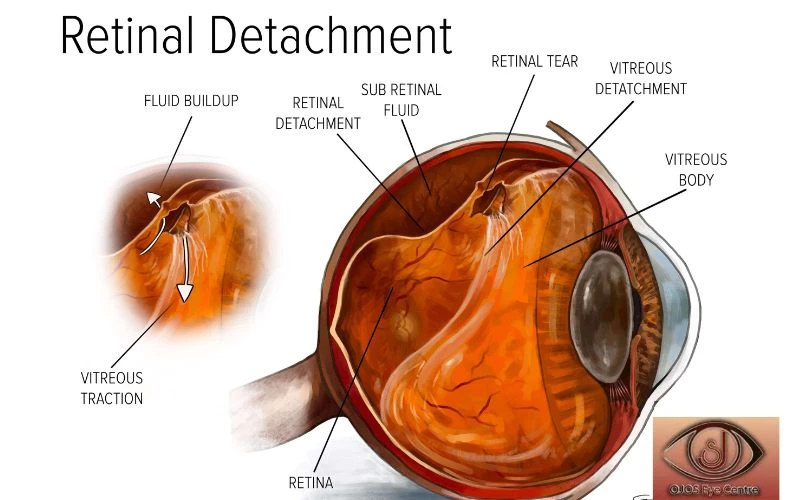
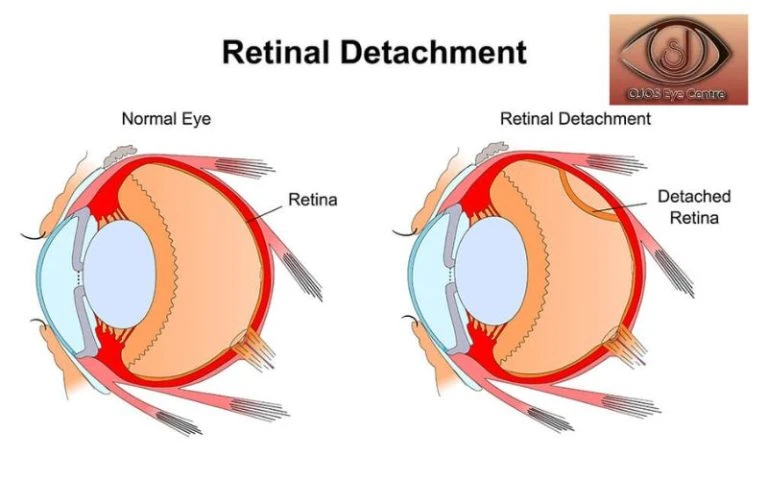
Retinal detachment occurs when the light-sensitive tissue at the back of your eye, known as the retina, pulls away from its normal position. This separation can disrupt the blood supply to the retina, leading to vision loss if not promptly treated. The retina plays a crucial role in transmitting visual signals to your brain, making it essential for clear and sharp vision.
There are different types of retinal detachment, including rhegmatogenous (most common), tractional, and exudative detachments. Rhegmatogenous detachment usually involves a tear or hole in the retina through which fluid seeps in and separates the layers of the retina.
Tractional detachment occurs when scar tissue on the retina\'s surface causes it to pull away from its underlying layers. Exudative detachment results from fluid buildup behind the retina due to certain medical conditions like inflammatory disorders or tumors impacting blood vessels around the eye. Understanding these distinctions is vital for early detection and appropriate treatment under expert guidance like that provided by Dr. Sagar Pathak at Ojos Eye Center in Pune.
Signs and Symptoms of Retinal Detachment
Retinal detachment is a serious eye condition that requires prompt attention. Knowing the signs and symptoms can help in early detection and treatment.
One common symptom is the sudden appearance of floaters or flashes of light in your vision. These may indicate that the retina is pulling away from its normal position.
Blurred vision, like a curtain descending over your visual field, is another warning sign of retinal detachment. If you notice this kind of distortion, it\'s crucial to seek immediate medical help.
Loss of peripheral vision or shadows moving across your field of view could also point to retinal detachment. Ignoring these symptoms can lead to permanent vision loss if left untreated.
If you experience any unusual changes in your eyesight, don\'t delay - contact an eye specialist like Dr. Sagar Pathak at Ojos Eye Center for a comprehensive evaluation and timely intervention.
Risk Factors for Retinal Detachment
Retinal detachment is a serious eye condition that can lead to vision loss if not treated promptly. Several risk factors can increase the chances of developing retinal detachment. Individuals who have had previous eye surgeries, such as cataract surgery, are at a higher risk for this condition.
People with severe nearsightedness or a family history of retinal detachment also have an increased susceptibility to experiencing it themselves. Additionally, individuals who have experienced eye injuries or trauma are more prone to developing retinal detachment.
Certain medical conditions like diabetes and inflammatory disorders can further elevate the risk of retinal detachment. Age plays a role too; those over 50 are more likely to develop this condition.
It\'s crucial for individuals with these risk factors to be vigilant about their eye health and seek regular check-ups from qualified specialists like Dr. Sagar Pathak at Ojos Eye Center in Pune, known for providing the best cataract treatment in the area. Early detection and proactive management are key in preserving your sight and maintaining optimal eye health.
The Importance of Early Diagnosis
Early diagnosis of retinal detachment is crucial for preserving your vision. Detecting this condition in its early stages can significantly improve treatment outcomes and prevent permanent vision loss.
If you experience sudden flashes of light, floaters in your field of vision, or a curtain-like shadow over your eyes, it\'s essential to seek prompt medical attention. Ignoring these symptoms can lead to irreversible damage to the retina.
Regular eye exams are key to early detection as they allow eye specialists like Dr. Sagar Pathak at Ojos Eye Center to identify any potential issues before they progress. Remember that timely intervention can make a significant difference in protecting your sight.
Don\'t delay scheduling an appointment if you notice any changes in your vision or eye health. Your eyesight is precious, and taking proactive steps towards early diagnosis can be the best decision you make for your ocular health.
Treatment Options for Retinal Detachment
When it comes to treating retinal detachment, early intervention is crucial. One common treatment option is laser surgery, where a laser is used to create small burns around the detached area to help seal the retina back in place. Another approach is pneumatic retinopexy, which involves injecting a gas bubble into the eye to push the retina against the wall of the eye.
Vitrectomy is a surgical procedure that involves removing vitreous gel from the center of the eye and replacing it with a gas bubble or silicone oil to help flatten the retina. In some cases, scleral buckling may be recommended, where a band is placed around the outside of the eyeball to relieve pressure on the retina.
The choice of treatment will depend on various factors such as the severity and location of detachment. It\'s important to consult with an experienced ophthalmologist like Dr. Sagar Pathak at Ojos Eye Center in Pune for personalized care and guidance tailored to your specific needs.
Tips for Preventing Retinal Detachment
Maintaining overall eye health is crucial in preventing retinal detachment. Regular eye check-ups with a specialist like Dr. Sagar Pathak at Ojos Eye Center in Pune can help detect any early signs of potential issues.
Protecting your eyes from injury is essential; wearing protective eyewear during sports or activities that pose a risk can prevent trauma to the eyes and reduce the chances of detachment.
If you have high myopia, diabetes, or a family history of retinal detachment, it\'s important to be extra vigilant about your eye health. Managing these conditions effectively can lower your risk.
Avoiding excessive strain on the eyes by taking regular breaks from screens and maintaining good posture while reading or working can also contribute to healthy eyesight.
A diet rich in nutrients like omega-3 fatty acids, lutein, zinc, and vitamins C and E may support eye health and potentially decrease the risk of retinal detachment. Remember, prevention is always better than cure when it comes to preserving your sight!
Conclusion
In preserving your sight, early diagnosis and treatment of retinal detachment are crucial. Understanding the signs and symptoms, as well as the risk factors involved, can help in identifying potential issues sooner rather than later.
Dr. Sagar Pathak at Ojos Eye Center is renowned for providing the best cataract treatment in Pune and being a top eye specialist in the area. With his expertise and advanced treatments available, patients can rest assured that their vision health is in good hands.
Remember, taking proactive steps to prevent retinal detachment through regular eye check-ups and maintaining overall eye health is key. By staying informed and seeking prompt medical attention when needed, you can safeguard your vision for years to come.
Prioritizing your eyesight today will ensure clear vision tomorrow – make it a priority with early detection and timely treatment options available at Ojos Eye Center under the care of Dr. Sagar Pathak.




























Sign in to leave a comment.