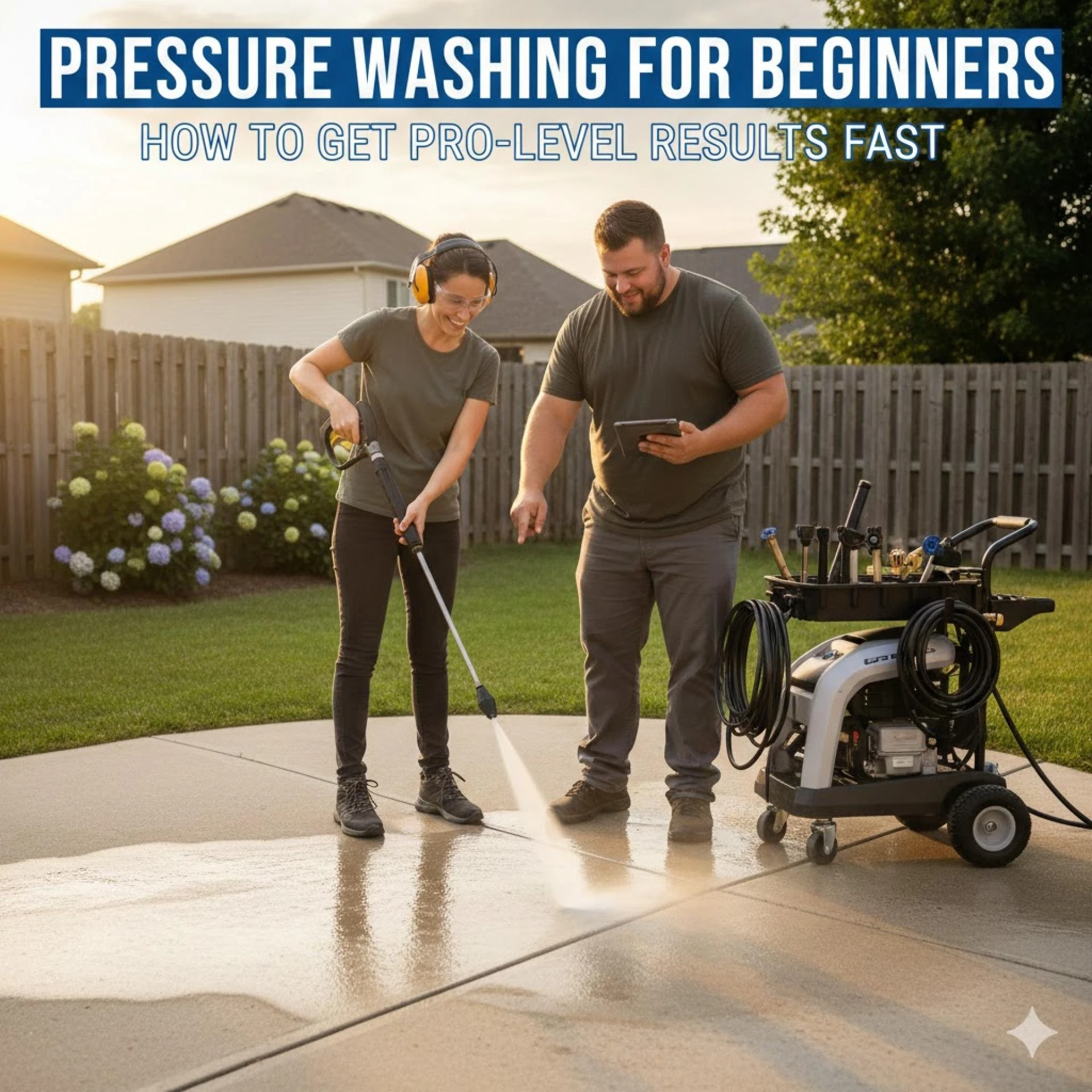

Pressure washing is one of the most effective ways to restore the look of your home, driveway, deck, or patio. Whether you're preparing for a home sale, tackling years of dirt, or simply giving your property a fresh look, pressure washing can save time and deliver remarkable results. For beginners, however, the idea of wielding a high-powered water jet can feel intimidating. With the right approach, tips, and safety measures, anyone can achieve professional-quality results.
In this guide, we’ll break down everything you need to know to become a pressure washing pro, even if you’re just starting.
1. Understanding Pressure Washing
Pressure washing, sometimes called power washing, uses a high-pressure water spray to remove dirt, grime, mold, mildew, and even old paint. Unlike traditional cleaning methods, pressure washing can clean surfaces thoroughly and quickly, often restoring surfaces to their original appearance.
There are two main types of pressure washers:
- Electric Pressure Washers: Lightweight, quieter, and ideal for small residential tasks.
- Gas Pressure Washers: More powerful, perfect for heavy-duty cleaning like driveways, large decks, or commercial surfaces.
Choosing the right type depends on the scale of your project and the type of surface you plan to clean.
2. Essential Pressure Washing Equipment
Before diving in, you need the right tools. Here’s a quick checklist for beginners:
- Pressure washer (electric or gas)
- Various nozzles for different spray patterns
- Surface cleaner attachment for flat areas
- Extension wand for reaching high spots
- Protective gear (gloves, goggles, boots)
- Cleaning detergents designed for pressure washing
Having the correct equipment ensures not only effective cleaning but also your safety while working.
3. Safety First: Protect Yourself and Your Property
Pressure washers are powerful machines. Misusing them can cause injuries or property damage. Keep these safety tips in mind:
- Wear protective clothing: gloves, goggles, and sturdy shoes.
- Test the pressure on a small, inconspicuous area before full cleaning.
- Keep the nozzle moving to avoid etching or damaging surfaces.
- Never aim at people, pets, or electrical fixtures.
- Avoid ladders; consider an extension wand or scaffold for high areas.
Following these precautions will prevent accidents and costly mistakes.
4. Preparing the Area
Preparation is key to achieving professional results:
- Clear the space: Remove furniture, plants, and obstacles.
- Cover sensitive areas: Protect electrical outlets, plants, and delicate surfaces with plastic or tarp.
- Sweep or hose off loose dirt: This reduces the risk of debris scratching surfaces during pressure washing.
A little preparation goes a long way in saving time and avoiding damage.
5. Choosing the Right Pressure and Nozzle
Understanding pressure levels and nozzle types is crucial:
- PSI (pounds per square inch): Indicates the water pressure. Lower PSI for delicate surfaces, higher PSI for tough stains.
- Nozzle colors:
- Red (0°) – concentrated stream for tough cleaning
- Yellow (15°) – heavy-duty cleaning
- Green (25°) – general cleaning
- White (40°) – light cleaning
- Black – soap application
Selecting the correct combination ensures efficient cleaning without surface damage.
6. Pre-Treatment with Detergent
For stubborn dirt, algae, or mold, pre-treating surfaces with detergent improves results:
- Choose a pressure-wash-safe detergent for your surface type.
- Apply the detergent from bottom to top for even coverage.
- Let it sit for 5–10 minutes but avoid letting it dry.
Pre-treatment can dramatically reduce scrubbing time and improve overall cleanliness.
7. Pressure Washing Techniques
Correct technique ensures even cleaning and avoids streaks:
- Keep the nozzle 6–12 inches from the surface.
- Use smooth, overlapping strokes, moving in a consistent pattern.
- Work from top to bottom to prevent streaking.
- Avoid staying in one spot too long to prevent surface damage.
Mastering these techniques allows beginners to achieve pro-level finishes without professional experience.
8. Tackling Different Surfaces
Different surfaces require specific approaches:
- Wood Decks: Use lower PSI, fan-shaped nozzle, and follow the grain of the wood.
- Concrete Driveways: Higher PSI works well; surface cleaner attachments speed up the process.
- Vinyl Siding: Medium PSI; keep the nozzle moving to avoid water infiltration.
- Fences: Similar to decks; softer materials need less pressure.
Understanding each surface’s needs prevents costly mistakes.
9. Post-Cleaning Tips
Once the cleaning is done:
- Rinse thoroughly to remove detergent residues.
- Inspect for damage like loose paint or cracks.
- Allow surfaces to dry completely before using or applying sealants.
- Clean your pressure washer and store it properly for longevity.
These steps ensure your efforts last longer and surfaces remain pristine.
10. Avoiding Common Beginner Mistakes
Many beginners make avoidable mistakes:
- Using too high pressure on delicate surfaces
- Skipping pre-treatment for tough stains
- Not protecting plants or windows
- Rushing the process, leading to streaks or missed spots
Being aware of these pitfalls saves time, frustration, and money.
11. Optional Upgrades for Pro-Level Results
Once comfortable, consider upgrades:
- Surface cleaner attachments for even cleaning on large flat areas
- Rotary turbo nozzles for tough grime
- Hot water pressure washers for grease or oil stains
- Extension wands for high surfaces
These tools can significantly improve efficiency and outcomes.
12. Maintaining Your Pressure Washer
Proper maintenance prolongs your machine’s life:
- Rinse the detergent system after use.
- Check hoses, nozzles, and O-rings regularly.
- Drain water from the pump before storing in cold climates.
- Follow the manufacturer’s recommended maintenance schedule.
A well-maintained washer guarantees consistent, professional results every time.
Conclusion
Pressure washing doesn’t have to be intimidating. By understanding equipment, safety, surfaces, and techniques, beginners can achieve stunning, pro-level results quickly. With the right preparation, attention to detail, and care, your home’s exterior can look brand new, all while saving money on professional services. Whether it’s a driveway, deck, siding, or patio, pressure washing is a powerful tool in keeping your property clean, safe, and appealing. For more guidance, check out https://forcewashing.com/pressure-washing/.
With these tips in hand, you’re ready to take your first pressure washing project from average to professional quality—without the stress.
Sign in to leave a comment.