
Tooth decay remains one of the most common oral health concerns across all age groups, yet many cases can be prevented with early protective care. One of the most effective preventive approaches involves dental Sealants, which help shield vulnerable tooth surfaces from harmful bacteria and food particles. Applied quickly and comfortably, sealants create a protective barrier that reduces the risk of cavities and supports long term oral health. Understanding how this treatment works can encourage individuals and families to take preventive action before dental problems develop.
Understanding Dental Sealants
What Are Dental Sealants
Dental sealants are thin protective coatings placed over the chewing surfaces of teeth, particularly the molars and premolars. These areas naturally contain grooves and pits where food debris and bacteria can collect, making them difficult to clean thoroughly with brushing alone. Sealants work by sealing these spaces and creating a smooth surface that reduces plaque accumulation. The treatment is commonly used as a preventive measure and is widely recognized for helping maintain stronger and healthier teeth over time.
Why Tooth Decay Develops in Deep Grooves
Many teeth contain natural depressions that trap food particles and encourage bacterial growth. Even with excellent oral hygiene habits, toothbrush bristles may not fully reach into these narrow areas. As bacteria break down sugars, acids begin weakening enamel and eventually lead to cavities. Children and teenagers are often more vulnerable because newly erupted permanent teeth may be harder to clean effectively. Preventive treatments that protect these areas early can reduce future oral complications.
How Dental Sealants Help Prevent Tooth Decay
Creating a Protective Barrier
Dental sealants act as a shield between the tooth surface and harmful external factors. Once applied, the coating blocks food particles and bacteria from settling into the grooves of teeth. This protective layer minimizes acid exposure and lowers the chances of enamel breakdown. By preventing the earliest stages of cavity formation, sealants support better oral health and reduce the likelihood of requiring restorative procedures in the future.
Supporting Long Term Oral Health
Preventive dental care often produces benefits that extend well beyond immediate protection. Sealants help preserve natural tooth structure and encourage fewer invasive treatments later in life. When teeth remain cavity free, individuals may experience less discomfort and fewer interruptions to daily activities. Combined with regular oral hygiene and routine examinations, sealants contribute to healthier smiles and improved confidence in maintaining long term dental wellness.
Who Can Benefit from Dental Sealants
Children and Adolescents
Children are among the most common candidates for sealants because their newly erupted permanent molars are especially susceptible to decay. Applying protection early helps prevent bacteria from settling into difficult to clean areas during important developmental years. Establishing preventive habits at a young age can reduce future treatment needs and promote stronger oral health outcomes. Parents often choose sealants as part of a broader preventive dental care plan.
Adults Seeking Preventive Care
Adults can also benefit from dental sealants when their teeth remain free of existing fillings or significant decay. Deep grooves and areas that frequently collect food may still pose a risk regardless of age. Preventive treatment offers additional protection for individuals who want to preserve healthy enamel and minimize future dental concerns. Sealants can become an important complement to daily brushing and professional cleanings.
The Dental Sealant Application Process
Initial Evaluation and Tooth Preparation
The process begins with an examination to determine whether sealants are appropriate for specific teeth. Once suitable areas are identified, the teeth are cleaned carefully to remove plaque and debris. Drying the teeth is an important step because it helps ensure proper bonding of the protective coating. Preparation is generally comfortable and designed to support effective and lasting results.
Applying and Hardening the Sealant
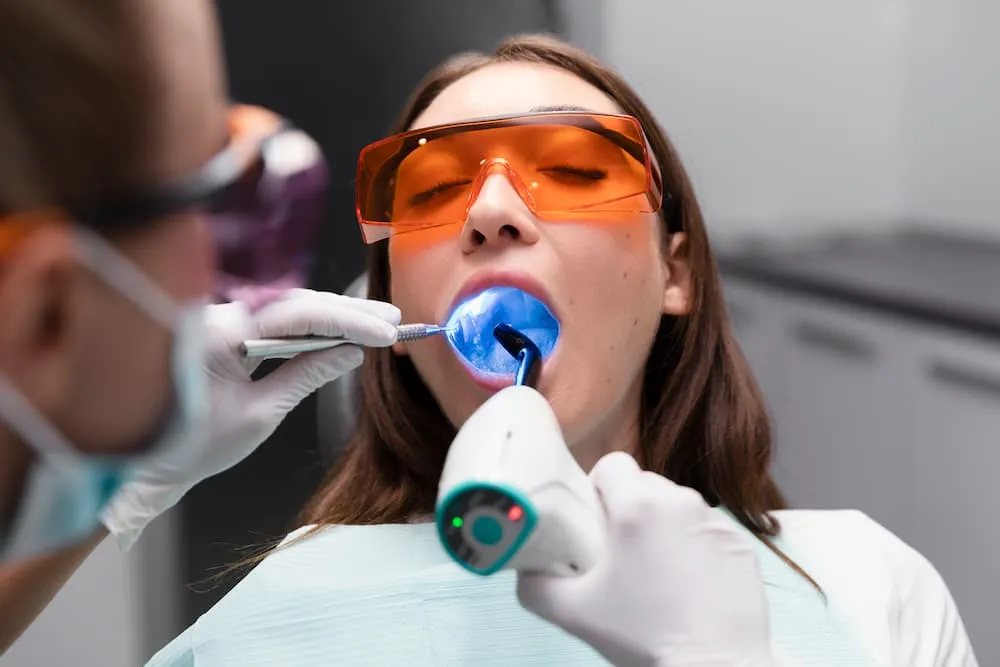
After preparation, the sealant material is placed onto the tooth surface and spread into the grooves. A special curing light may be used to help harden the material and secure it in place. The entire process is typically completed within a short appointment and requires minimal recovery time. Patients can generally return to normal activities immediately after treatment while benefiting from enhanced protection.
Benefits of Choosing Dental Sealants Early
Reduced Risk of Cavities
One of the primary advantages of sealants is their ability to lower cavity development in high risk areas. Preventing decay before it starts allows teeth to remain healthier and stronger for longer periods. Individuals who receive early preventive care may avoid discomfort and reduce the need for more extensive procedures later. Protecting natural enamel can support overall oral function and appearance.
Cost Effective Preventive Care
Preventive dental treatments often provide financial advantages by reducing future restorative needs. Addressing risk factors early may help minimize expenses associated with fillings and other procedures. Sealants represent an efficient approach that supports healthy teeth while reducing long term maintenance concerns. Investing in prevention can lead to improved oral outcomes and greater peace of mind.
Caring for Teeth After Receiving Dental Sealants
Maintaining Daily Oral Hygiene
Although sealants provide additional protection, regular oral care remains essential. Brushing twice daily and flossing consistently help remove plaque from uncovered areas of the mouth. Maintaining healthy dietary habits and limiting sugary foods can further support long lasting results. Preventive treatment works best when combined with a complete and consistent oral hygiene routine.
Scheduling Routine Dental Visits
Regular dental examinations help ensure that sealants remain intact and continue functioning effectively. Dental professionals can monitor wear and recommend touch ups if necessary. Routine visits also allow early identification of any developing concerns before they become more complex. Ongoing preventive care supports healthier teeth and reinforces long term oral wellness.
Common Misconceptions About Dental Sealants
Sealants Are Only for Children
Although sealants are frequently associated with pediatric care, adults may also benefit from treatment under the right circumstances. Age alone does not determine suitability. Tooth condition, cavity risk, and oral health goals all play a role in deciding whether sealants are appropriate. Expanding awareness of preventive options encourages more individuals to consider proactive care.
Sealants Replace Good Oral Hygiene
Some people mistakenly assume that sealants eliminate the need for brushing and flossing. In reality, sealants provide targeted protection and should work alongside regular oral care habits. Maintaining clean teeth and healthy routines remains essential for overall oral wellness. Combining preventive treatments with consistent hygiene creates stronger and more effective protection against tooth decay.
Conclusion
Preventing cavities before they begin offers significant advantages for maintaining healthy and confident smiles. Dental sealants provide an effective solution by protecting vulnerable tooth surfaces and reducing exposure to harmful bacteria and acids. When combined with strong oral hygiene habits and regular dental visits, this preventive treatment supports long term dental health and helps preserve natural teeth. For individuals interested in proactive oral care solutions, Martinez & Martinez Family Dental Care can provide guidance and support for maintaining healthier smiles.


























Sign in to leave a comment.