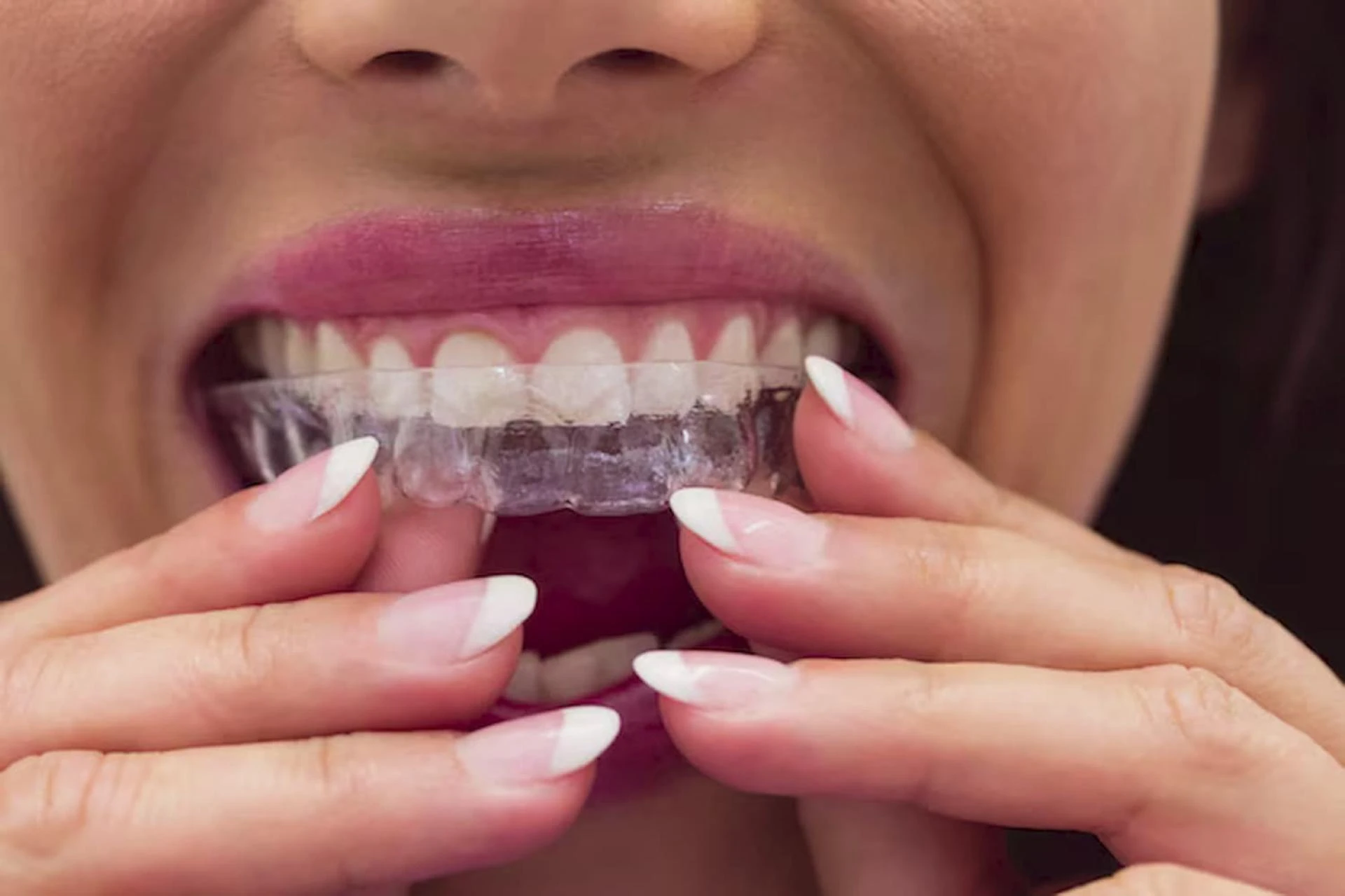

Choosing the right professional for orthodontic treatment is an important decision for anyone considering teeth straightening options. Many patients exploring clear aligner therapy often wonder whether they should visit an Invisalign dentist or seek care from a traditional orthodontist. While both providers can help improve alignment and create healthier smiles, their training, scope of services, and treatment approaches may differ.
Understanding these differences allows patients to make informed choices based on their needs, goals, and the complexity of their case. This comprehensive guide explains how an Invisalign dentist compares to a traditional orthodontist and what patients can expect from each.
Understanding the Role of an Invisalign Dentist
An Invisalign dentist is a general dentist who has received training and certification to provide Invisalign clear aligner treatment. Invisalign is a system that uses a series of custom made transparent trays to gradually move teeth into proper alignment.
Training and Certification
A general dentist completes dental school and is trained to diagnose and treat a wide range of oral health conditions. To offer Invisalign treatment, the dentist undergoes additional certification through the Invisalign system. This training focuses on digital scanning, treatment planning, and monitoring tooth movement using clear aligners.
While the depth of orthodontic training differs from that of a specialist, many Invisalign dentists successfully treat mild to moderate alignment issues.
Scope of Services
An Invisalign dentist typically provides comprehensive dental care in addition to aligner therapy. This means patients can receive preventive services, restorative treatments, cosmetic procedures, and Invisalign treatment in one location.
This convenience appeals to many individuals who prefer continuity of care and streamlined appointments.
Ideal Candidates for Treatment
Patients with mild crowding, minor spacing issues, or slight bite irregularities often benefit from treatment provided by an Invisalign dentist. In many cases, these providers can manage straightforward orthodontic concerns effectively.
Understanding the Role of a Traditional Orthodontist
An orthodontist is a dental specialist who focuses exclusively on diagnosing, preventing, and correcting misaligned teeth and jaw irregularities.
Advanced Specialized Education
After completing dental school, an orthodontist undergoes additional years of specialized training in orthodontics. This advanced education focuses on complex bite problems, jaw alignment, and the biomechanics of tooth movement.
This specialized training equips orthodontists to manage more complicated cases.
Focused Orthodontic Expertise
Unlike a general dentist, an orthodontist dedicates their entire practice to alignment and bite correction. They offer traditional braces, ceramic braces, lingual braces, and clear aligners.
Orthodontists often treat patients with severe crowding, significant bite discrepancies, jaw alignment issues, and complex orthodontic needs.
Managing Complex Cases
Patients with pronounced overbites, underbites, crossbites, or skeletal misalignment may benefit from evaluation by an orthodontist. Complex treatment plans sometimes require advanced appliances or surgical coordination.
Key Differences Between an Invisalign Dentist and an Orthodontist
Understanding how these providers differ helps clarify which option may be appropriate.
Education and Specialization
The primary difference lies in specialized training. An Invisalign dentist is a general dentist with additional certification in aligner therapy, while an orthodontist completes advanced specialty training focused entirely on tooth and jaw alignment.
Both professionals are qualified to move teeth, but orthodontists have deeper expertise in complex cases.
Treatment Variety
Orthodontists typically offer a wider range of orthodontic appliances, including traditional metal braces and advanced corrective devices. An Invisalign dentist focuses primarily on aligner based treatment within a broader general dental practice.
Case Complexity
For mild to moderate alignment concerns, an Invisalign dentist can often deliver excellent results. For severe bite problems or complicated cases, an orthodontist may provide more comprehensive solutions.
Convenience and Continuity of Care
Many patients appreciate the convenience of receiving Invisalign treatment from a provider who also handles routine cleanings, fillings, and other dental services. This integrated approach reduces the need for multiple appointments at different offices.
Benefits of Choosing an Invisalign Dentist
There are several advantages to working with an Invisalign dentist for aligner therapy.
Comprehensive Dental Oversight
Because an Invisalign dentist manages overall oral health, they can ensure that teeth and gums are healthy before beginning aligner treatment. Cavities or gum disease can be addressed prior to orthodontic care.
This comprehensive oversight supports safer and more effective results.
Streamlined Appointments
Patients often enjoy the convenience of scheduling both routine dental visits and aligner checkups at the same location. This saves time and simplifies treatment coordination.
Personalized Treatment Planning
An Invisalign dentist uses digital imaging and advanced software to create a customized treatment plan. Patients can often preview their projected results before beginning treatment.
Benefits of Choosing a Traditional Orthodontist
While many patients achieve excellent results with an Invisalign dentist, orthodontists offer distinct advantages in certain cases.
Expertise in Complex Alignment Issues
Orthodontists are uniquely trained to manage complicated bite and jaw problems. Their expertise can be essential for patients with severe misalignment or skeletal discrepancies.
Access to Multiple Treatment Options
Orthodontists can offer a full spectrum of orthodontic appliances. If Invisalign is not the best solution, alternative options such as braces may be recommended.
Specialized Monitoring
Orthodontic treatment often requires detailed adjustments and close monitoring. Orthodontists focus exclusively on these tasks, allowing for precise management of tooth movement.
Factors to Consider When Choosing Between Providers
Patients should evaluate several factors when deciding between an Invisalign dentist and a traditional orthodontist.
Severity of Alignment Issues
A comprehensive evaluation determines whether a case is mild, moderate, or complex. For straightforward alignment concerns, an Invisalign dentist may be sufficient. More complicated issues may warrant specialist care.
Treatment Goals
Some patients seek minor cosmetic improvements, while others need significant bite correction. Clear communication about goals helps determine the appropriate provider.
Budget and Insurance
Costs may vary depending on the provider and treatment complexity. Many dental practices offer flexible payment options to make aligner therapy accessible.
Comfort and Communication
Choosing a provider who communicates clearly and addresses concerns thoroughly enhances the treatment experience. Comfort and trust play an important role in long term satisfaction.
The Invisalign Process Explained
Regardless of whether treatment is provided by a general dentist or orthodontist, the Invisalign process follows a structured approach.
Initial Consultation
The provider evaluates oral health, alignment concerns, and treatment goals. Digital scans or impressions are taken to design custom aligners.
Custom Treatment Plan
Advanced software maps out tooth movements step by step. Patients receive a series of aligners that gradually shift teeth into proper position.
Ongoing Monitoring
Regular appointments ensure that teeth are moving as planned. Adjustments are made if necessary to maintain progress.
Retention Phase
After treatment is complete, retainers help maintain alignment and prevent teeth from shifting back.
Long Term Oral Health Considerations
Proper alignment improves not only appearance but also oral health. Straight teeth are easier to clean, reducing the risk of cavities and gum disease. Correcting bite issues can also alleviate jaw strain and uneven wear.
Working with an Invisalign dentist who monitors overall dental health ensures that both alignment and oral wellness remain priorities throughout treatment.
Conclusion
Understanding the difference between an Invisalign dentist and a traditional orthodontist helps patients make informed decisions about their orthodontic care. An Invisalign dentist provides aligner therapy within a comprehensive dental setting, making it a convenient option for mild to moderate alignment concerns. A traditional orthodontist offers advanced specialized training and may be better suited for complex bite or jaw issues.
Both professionals aim to create healthier, more confident smiles. The right choice depends on the patient’s unique needs, goals, and the complexity of their case. For individuals seeking personalized aligner treatment and comprehensive dental care, Martinez and Martinez Family Dental Care offers professional guidance and customized solutions to help patients achieve beautifully aligned smiles.

























Sign in to leave a comment.