

Commercial signage plays a significant role in how businesses present themselves to customers. Whether it is displayed outside a shop, inside a reception area or across an exhibition stand, a printed sign needs to communicate clearly while fitting its surroundings. The design, colours and message may attract attention, but the material supporting the print also influences the final result. Board thickness affects how a sign feels, how it can be mounted and where it is most suitable. Choosing the right option helps businesses create displays that look professional and serve their intended purpose.
Thickness and the Overall Presentation
The thickness of a printed board is not simply a technical detail. It can influence the appearance and handling of the finished sign. A thinner panel may be suitable for smaller indoor displays, while a thicker board can offer additional rigidity for larger graphics.
The right choice depends on the size of the sign, its location and the way it will be displayed. A board mounted directly onto a wall has different requirements from one used as part of a freestanding exhibition arrangement.
For commercial spaces, the aim is to find a suitable balance between weight, stability and visual presentation. Selecting a material based only on its thickness may overlook other important factors, such as the fixing method, exposure to weather and the support available.
Where Rigid Boards Make a Difference
Printed rigid boards are used across a variety of business environments. Their ability to hold a defined shape makes them useful when a display needs a more structured appearance than a flexible poster can provide.
Some common applications include:
- Shopfront signage: Printed boards can display business names, opening information or promotional messages near entrances.
- Retail displays: Panels can highlight products, seasonal collections and special offers within a store.
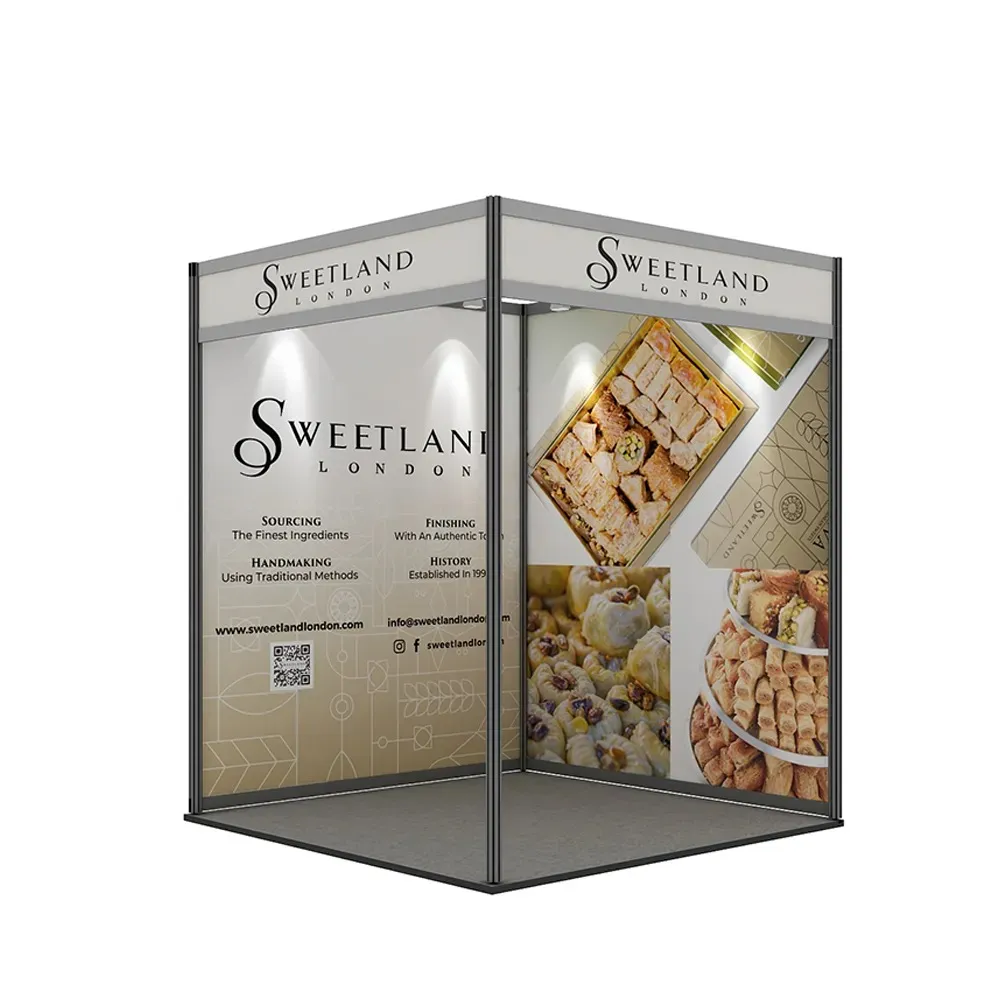
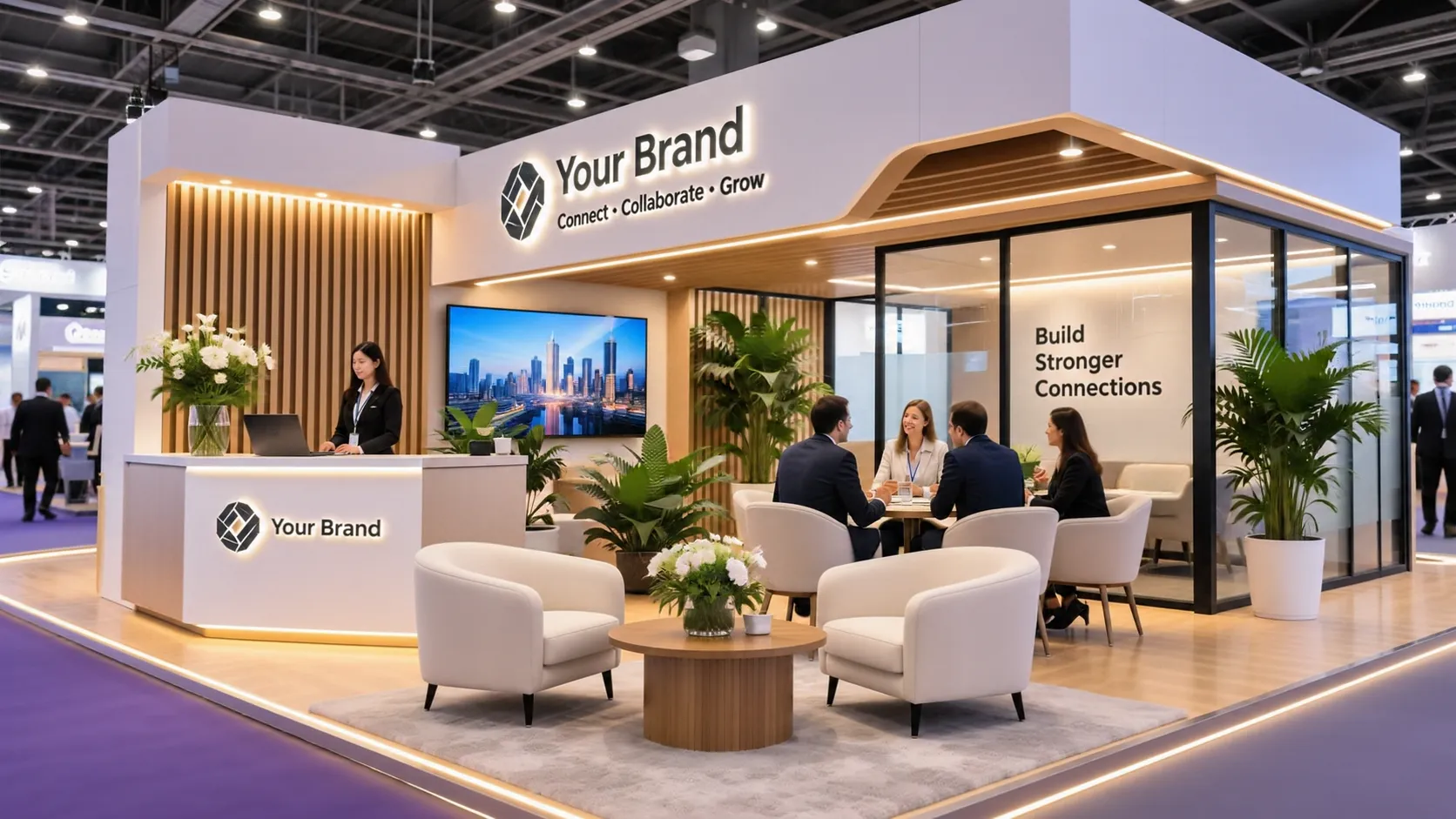
- Exhibition graphics: Rigid boards help organise branded information across exhibition stands and presentation areas.
- Directional signage: Offices, commercial buildings and venues can use panels to guide visitors towards specific locations.
- Information displays: Printed boards can present instructions, menus, notices or service details in an organised format.
- Construction site graphics: Suitable panels can display site information or visual messages when fitted to an appropriate supporting structure.
Each application has its own requirements. For example, a small indoor information panel may not need the same level of rigidity as a large board positioned in a shopfront or exhibition space.
Understanding the Role of 5mm Foamex
Foamex is a popular material for printed signage because it combines a rigid structure with a relatively lightweight construction. Made from expanded PVC foam, it offers a smooth surface that can accommodate printed graphics, photographs, text and branding.
A 5mm foamex board can be a practical choice for applications where additional stiffness is useful. Compared with thinner boards, its greater thickness can help the panel maintain its shape during handling and display. This makes it suitable for various commercial signage projects, depending on the size and installation conditions.
The material is often considered for indoor displays and certain outdoor applications. However, the intended location should always be assessed carefully. Weather exposure, panel dimensions and the quality of the mounting arrangement can influence how well a sign performs.
Selecting a Suitable Board for the Setting
A business should consider the environment before deciding on the thickness of its printed signage. The same board may perform differently depending on whether it is mounted against a wall, suspended from a ceiling or attached to an existing display structure.
Indoor Signage
Indoor environments generally offer more controlled conditions. Retail displays, office information panels and reception signs may benefit from a lightweight rigid board that is easy to position and secure.
In these settings, the print design often becomes the main visual feature. A smooth surface can help maintain a clean presentation, particularly when the sign contains detailed graphics or brand colours.
Exhibition and Event Displays
Exhibition spaces require signage that can be transported, arranged and installed within a limited period. Board thickness can influence handling and the way panels fit into a display system.
A thicker board may provide useful rigidity for larger panels, but it should still be compatible with the stand, fixings and venue requirements. Freestanding displays need suitable supports rather than relying on the board alone.
Outdoor Commercial Signs
Outdoor signage must account for conditions that are not present indoors. Rain, wind, temperature changes and direct sunlight can affect the display and its installation.
Foamexmay be suitable for some outdoor applications when properly supported and secured. However, the board's thickness alone does not guarantee resistance to all weather conditions. Large or exposed signs require careful consideration of their mounting arrangement and intended lifespan.
Design and Finishing Choices
The visual quality of a printed sign depends on more than the board material. Artwork, colour selection, finishing and cutting can all contribute to the final presentation.
Businesses may consider several options when preparing a commercial display:
- Single-sided printing: Suitable when the sign is viewed primarily from one direction, such as a wall-mounted panel.
- Double-sided printing: Useful for hanging signs or displays that can be seen from both sides.
- Matt finishing: Can help reduce reflections in certain indoor environments.
- Gloss finishing: May suit displays where a brighter, polished appearance is preferred.
- Dry-wipe finishing: Can be useful for information panels that require occasional updates.
- Custom cutting: Allows panels to be shaped to fit a particular display or branding concept.
These options should be chosen according to the purpose of the sign. A promotional panel may prioritise visual impact, while an information board may need to remain easy to read under different lighting conditions.
Avoiding Common Signage Planning Mistakes
A well-designed board can lose its effectiveness if the practical details are overlooked. Businesses should consider how the sign will be installed and viewed before sending artwork for printing.
Common mistakes include choosing a panel that is too large for its mounting surface, using unsuitable fixings or placing important text too close to the edges. Overcrowded artwork can also make the message difficult to understand.
Before finalising a signage project, it is worth checking:
- Whether the board dimensions suit the available space.
- Whether the intended fixing method can support the finished panel.
- Whether the message is readable from the expected viewing distance.
- Whether the design includes sufficient spacing around text and graphics.
- Whether the material is appropriate for the location and duration of use.
A little planning can prevent unnecessary adjustments after the sign has been produced.
Conclusion
Board thickness influences the practicality and presentation of commercial signage, from small indoor information panels to larger retail and exhibition graphics. The most suitable option depends on the display size, location, mounting method and intended use. By considering these details alongside the artwork and finishing choices, businesses can create signage that is both visually effective and appropriate for its environment. For projects requiring rigid printed panels, Foamex Printing Company offers 5mm Foamex Board printing for a range of commercial display applications.


























Sign in to leave a comment.