

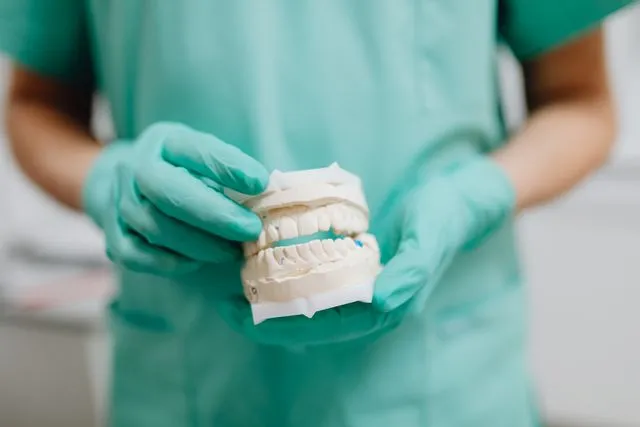
Acrylic dentures are one of the most common tooth replacement options because they are affordable, widely available, and relatively easy to adjust. But not all dentures are made with the same level of quality.
Many people focus only on price when choosing dentures and later deal with discomfort, poor fitting, and unexpected dental problems. Low-quality dentures may seem like a good short-term solution, but they often create bigger issues over time.
Understanding the hidden problems associated with poor-quality acrylic dentures can help you make a smarter decision for your oral health and long-term comfort.
Poor Fit Can Cause Constant Discomfort
One of the biggest problems with low-quality dentures is improper fitting. Cheap or poorly designed dentures often do not match the natural shape of the gums properly.
This can lead to:
- Sore spots
- Gum irritation
- Difficulty chewing
- Jaw discomfort
- Denture slipping while speaking
A poorly fitted denture can also create pressure points that make everyday activities uncomfortable. Many patients experience pain simply because the dentures were not accurately customized.
Low-Quality Materials Break Faster
Cheap dentures are often made with weaker acrylic materials that are more likely to crack or chip.
This becomes a major problem when:
- Eating harder foods
- Accidentally dropping dentures
- Using dentures daily for long periods
Frequent denture repairs can quickly become expensive, which defeats the purpose of choosing a cheaper option in the first place.
High-quality dentures are designed to handle daily wear more effectively and usually last much longer.
Poor Acrylic Dentures May Affect Speech
Dentures that are too bulky or poorly shaped can affect how you pronounce certain words.
Some common speech issues include:
- Slurring
- Whistling sounds
- Difficulty pronouncing “S” or “F” sounds
- Reduced speaking confidence
Many people do not realize how much denture design impacts speech until they start using low-quality dentures regularly.
Increased Risk of Gum Infections
Low-quality dentures can trap bacteria more easily, especially if they have rough surfaces or poor finishing.
This may increase the risk of:
- Gum irritation
- Mouth infections
- Bad breath
- Denture stomatitis
Improperly fitted dentures can also create tiny gaps where food particles and bacteria collect.
Patients researching better oral health solutions or comparing options for an acrylic denture often overlook hygiene-related issues, even though material quality plays a major role in keeping the mouth healthy.
Difficulty Eating Certain Foods
Many low-cost dentures do not provide stable biting support. As a result, eating becomes frustrating and uncomfortable.
Common problems include:
- Difficulty chewing meat
- Trouble eating crunchy foods
- Food getting trapped under dentures
- Dentures shifting during meals
This may force people to avoid certain foods, which can negatively affect nutrition and overall health.
Faster Bone and Gum Changes
Poor-quality dentures may not distribute pressure evenly across the gums. Over time, this can contribute to faster bone loss in the jaw.
Bone shrinkage can cause:
- Facial sagging
- Looser dentures
- Changes in facial appearance
- Increased need for denture adjustments
Well-designed dentures help reduce unnecessary pressure and provide better long-term support.
Unnatural Appearance Can Reduce Confidence
One hidden issue with cheap dentures is appearance. Poorly made dentures often look overly artificial because of:
- Unnatural tooth shapes
- Poor color matching
- Bulky gum material
- Incorrect alignment
Modern high-quality dentures are designed to look more realistic and natural. They blend better with facial features and improve confidence when smiling or speaking.
Frequent Adjustments and Repairs
Low-quality dentures often require repeated adjustments because they lose their fit more quickly.
This can lead to:
- More dental visits
- Higher maintenance costs
- Constant discomfort
- Reduced convenience
What initially seems affordable can become expensive over time due to ongoing repairs and relining procedures.
Shorter Lifespan
Durability is another major concern. Poor acrylic dentures generally wear down faster and may need replacement sooner than expected.
Common signs of worn dentures include:
- Cracks
- Loose fitting
- Flattened teeth
- Staining
- Structural weakness
Investing in higher-quality dentures usually provides better long-term value because they maintain their fit and appearance longer.
How to Avoid Poor-Quality Acrylic Dentures
Before choosing dentures, it is important to:
- Work with an experienced dental professional
- Ask about material quality
- Understand warranty options
- Check customization methods
- Review denture maintenance requirements
Choosing dentures based only on low price can lead to long-term discomfort and added expenses.
Final Thoughts
Poor-quality acrylic dentures can create many hidden problems that affect comfort, oral health, appearance, and daily life. While cheaper options may look appealing initially, they often lead to more repairs, discomfort, and frustration over time.
A properly designed denture should feel comfortable, function naturally, and support long-term oral health. Taking time to choose quality materials and professional fitting can make a major difference in both comfort and confidence.













Sign in to leave a comment.