

Bringing a new product to market requires more than an innovative concept. Businesses need to communicate how a product looks, what it offers, and how it can be used. High-quality visual content can make this communication much easier. Product 3d rendering enables businesses to create realistic digital representations of products for marketing, design development, sales, and presentations.
Unlike traditional photography, rendering does not always require a finished physical product. A digital model can be developed from technical drawings, CAD files, measurements, sketches, or reference images. Once created, that model can be placed in different environments and presented from numerous perspectives.
This flexibility makes 3D visualization useful for manufacturers, retailers, designers, architects, and product-based businesses looking to create professional visual content.
How Product 3D Rendering Is Created
The process generally begins with collecting accurate product information. Designers may provide CAD drawings, dimensions, technical specifications, photographs, or concept sketches. These references are used to construct a detailed three-dimensional model.
The model is refined to capture the product's shape and smaller design elements. Edges, curves, seams, handles, buttons, joints, controls, and other components can be represented accurately.
After modeling, artists develop digital materials and textures. The surface can be created to resemble wood, glass, plastic, metal, leather, fabric, stone, ceramic, or other materials.
Lighting and camera positions are then arranged according to the intended purpose of the image. Once the scene is ready, rendering software produces the final high-resolution visual.
Creating Better Product Presentations
A well-designed rendered image can communicate information that a basic photograph may not emphasize effectively. Different angles can be selected to highlight important features, while close-up views can showcase textures and construction details.
For example, a furniture manufacturer can display a product from the front, side, rear, and elevated perspectives. A technology company can create detailed views of buttons, ports, screens, and surface finishes.
These visuals can be used across brochures, websites, catalogs, presentations, social media, and digital advertisements.
Visualizing Products Before Manufacturing
One of the most valuable applications of product 3d rendering is pre-production visualization. Businesses may need to promote a product before physical manufacturing is complete.
A digital model allows marketing teams to begin preparing promotional material earlier. Manufacturers can also use realistic visuals when presenting concepts to investors, distributors, retailers, or potential customers.
If the design changes, the digital model can be modified accordingly. Colors, materials, dimensions, and other visual elements can be adjusted without recreating an entire photography setup.
This makes 3D rendering particularly useful during product development.
Creating Multiple Product Variations
Many businesses sell products in different colors, materials, sizes, and configurations. Photographing each version separately can require additional resources.
A digital model makes these variations easier to produce. Once the base model is complete, artists can change surface materials, colors, finishes, and selected components to generate new visuals.
This is especially useful for online stores and large product catalogs. Customers can see different options before making a purchase, while businesses can maintain a consistent visual style across product pages.
Improving E-Commerce Experiences
E-commerce customers rely heavily on images because they cannot physically examine products before ordering. High-quality visuals can therefore influence how customers perceive product quality and functionality.
Rendered images can show multiple angles, detailed close-ups, and realistic lifestyle scenes. Businesses can also create images that focus on specific selling points.
For furniture, visuals can highlight materials and dimensions. For appliances, they can emphasize controls and features. For decorative products, they can demonstrate color, finish, and placement.
Combining clear product images with lifestyle scenes can provide customers with a more complete understanding of the item.
Showing Products in Lifestyle Environments
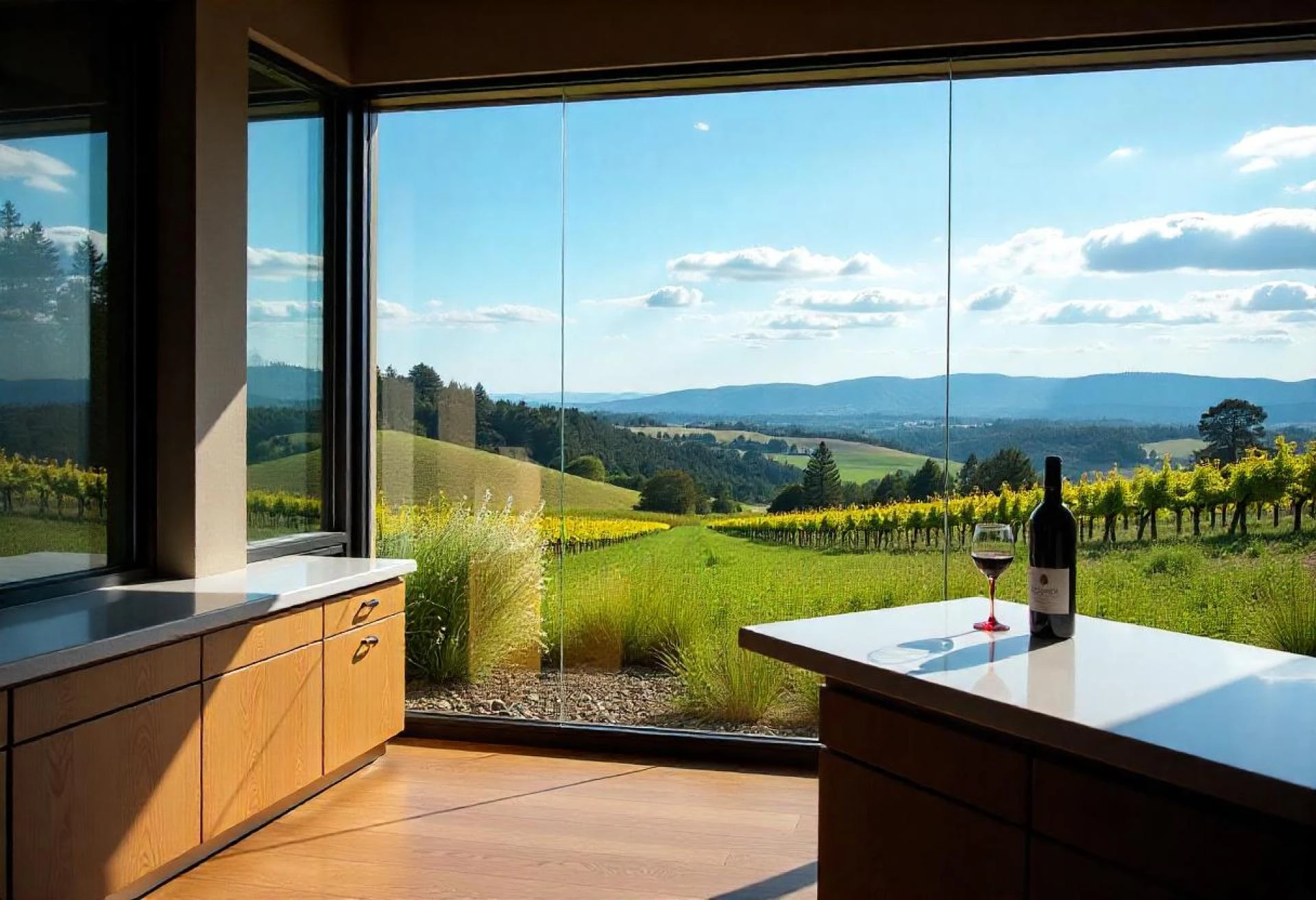
Products often look more meaningful when customers can see how they might be used. 3D rendering makes it possible to create customized environments around the product.
A sofa can be placed inside a contemporary living room. A dining table can be displayed in an elegant dining area. A lighting fixture can be shown in a bedroom, office, restaurant, or hotel.
These environments can be designed specifically around the brand's identity and target market.
Lifestyle rendering can therefore communicate more than product appearance. It can also demonstrate atmosphere, usability, and the experience associated with the product.
Using Architectural Exterior 3D Renderings
Some products are intended specifically for architectural and outdoor applications. Building materials, windows, doors, outdoor furniture, lighting fixtures, landscaping products, and architectural accessories can benefit from contextual visualization.
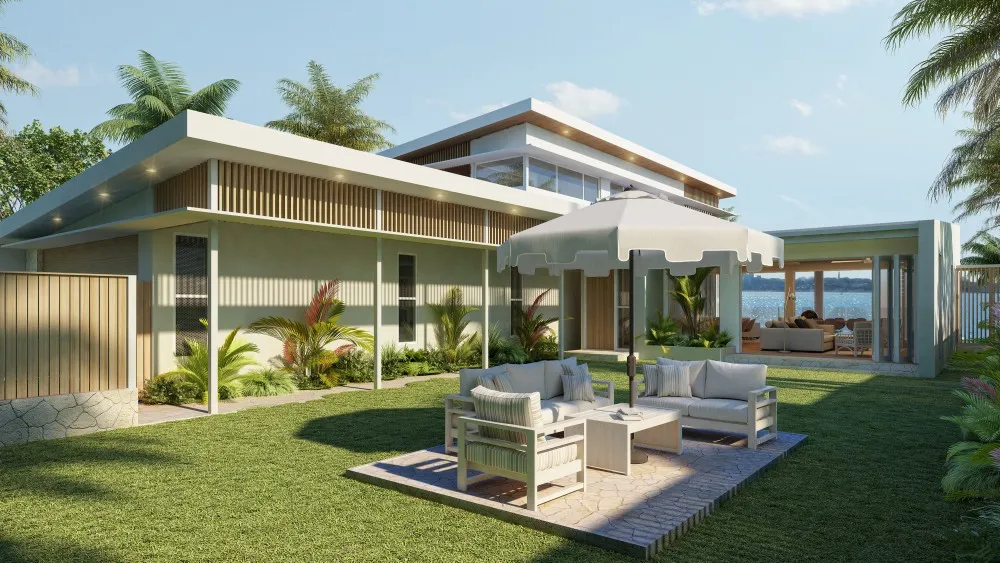
Architectural exterior 3d renderings can place these products within realistic building environments. A manufacturer can show how a facade material looks on a modern building or how outdoor furniture works within a landscaped terrace.
This approach allows customers, architects, and designers to understand how individual products contribute to a larger project.
It can also help manufacturers market products directly to construction and design professionals.
Creating Immersive Experiences With 3D Walkthrough Rendering
Static visuals provide individual viewpoints, but some products benefit from a complete environmental experience. 3d walkthrough rendering allows viewers to move through a digitally created space and observe products from multiple perspectives.
A furniture company, for example, can create a virtual apartment containing its collection. Viewers can move between rooms and see how different furniture pieces work together.
Similarly, a lighting brand can demonstrate fixtures throughout a hotel, office, restaurant, or residential project.
Walkthroughs can be used for digital showrooms, exhibitions, presentations, sales meetings, product launches, and online marketing campaigns.
Supporting Product Development Teams
3D rendering can also improve communication between product development teams. Designers, engineers, manufacturers, and marketing professionals may interpret technical drawings differently.
A realistic visual creates a common reference that everyone can review. Teams can discuss the appearance of materials, finishes, proportions, and components before production.
This can make feedback more specific and help identify visual issues earlier in the development process.
Creating Long-Term Marketing Assets
A digital product model can continue to provide value after the initial rendering project. The same model can be reused for future campaigns, new product variations, animations, technical illustrations, and promotional scenes.
If a product receives a new finish or color, the existing model can often be updated. This reduces the need to recreate the product from the beginning.
Businesses can therefore build a digital library of reusable product assets that supports ongoing marketing activities.
Choosing a Professional Rendering Team
Realistic lights, materials, composition, and post-production rely on accurate modelling for a good end result. Before hiring a rendering provider, businesses should check out what they've accomplished in the past.
It is beneficial to select a team that has an understanding of the product category's specific needs. Providing project details such as CAD drawings, dimensions, reference images, material specifications, colours and brand guidelines can enhance accuracy.
The client must also discuss the size of the image, the background, camera angles, animation, file format, revisions and delivery time.
Conclusion
Businesses use 3d rendering of products to gain a flexible tool for previewing what the product will look like before, and after, it is produced. It can be used to create product development, e-commerce, advertising, sales presentations, catalogs, product launches, and provide more control over the final visual presentation.
It becomes even more powerful when the products are demonstrated in their context, either with architectural exterior 3d renderings or in the form of 3d walk through renderings. These methods illustrate how products can relate to the real world in a space and provide a better sense of form and function of the product.
The accurate 3D modeling and the choice of realistic materials, lighting, and carefully designed environments enable businesses to produce captivating product images that deliver an effective message and enhance the general marketing campaign. Be sure to choose a professional 3d architectural rendering melbourne to create detailed and realistic 3d floor plans.

























Sign in to leave a comment.