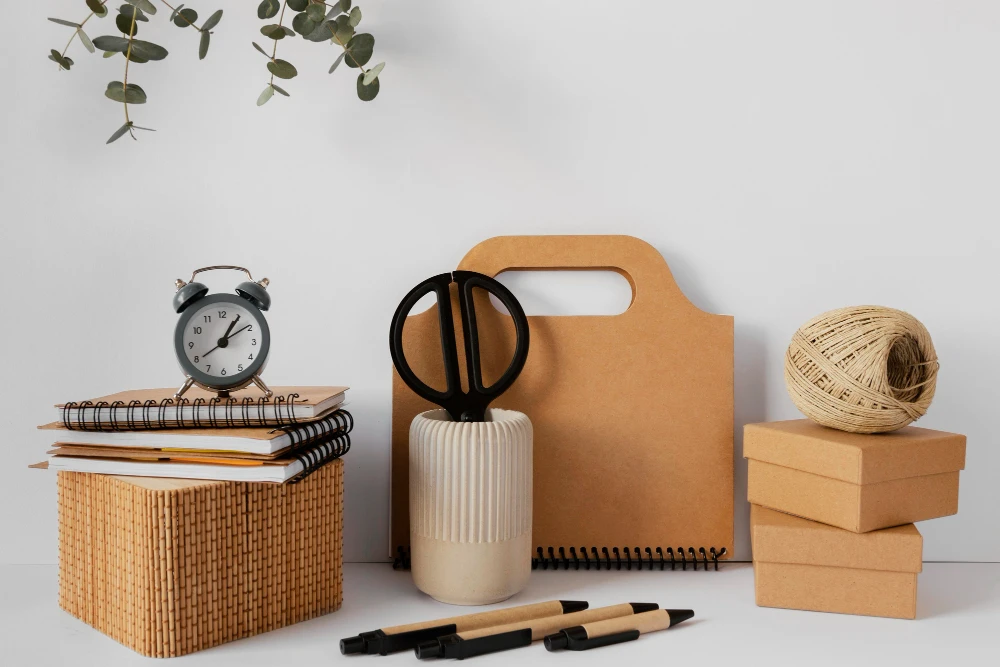

In today’s competitive retail and eCommerce landscape, product packaging creates the very first impression of your brand. Long before customers experience the product itself, they interact with its packaging. From visual appeal to functionality, the right packaging can influence buying decisions, improve customer retention, and build long-term brand loyalty.
Modern brands are now moving beyond traditional materials and embracing sustainable product packaging and eco-friendly packaging solutions that protect products while supporting environmental responsibility.
Why Packaging Matters More Than You Think
Packaging plays a far greater role than simply holding a product. It is a critical business asset that impacts safety, branding, and sustainability.
Protection and Safety
One of the most important functions of packaging is protective packaging. It shields products from moisture, dust, light, and physical damage during storage, shipping, and handling. High-quality packaging reduces product returns, breakage, and customer dissatisfaction.
Storage and Product Longevity
Every product has specific storage requirements. Well-designed packaging helps maintain product quality and extend shelf life. Durable materials such as molded pulp and paper-based solutions offer excellent protection while remaining lightweight and sustainable.
Branding and Communication
Packaging acts as a silent salesperson. It communicates essential information like usage instructions, ingredients, and expiration dates while reinforcing brand identity. Today, consumers are more likely to trust brands that visibly invest in packaging and sustainability.
Understanding the Three Layers of Product Packaging
Choosing the right packaging structure starts with understanding its layers:
1. Primary Packaging
This is the packaging that comes into direct contact with the product. It focuses on hygiene, safety, and immediate protection while presenting the product clearly to consumers.
2. Secondary Packaging
Secondary packaging groups individual products together. It adds an extra layer of protection and enhances branding, making products easier to display on shelves or ship in bulk.
3. Tertiary (Transport) Packaging
Tertiary packaging is used for storage and logistics. It ensures safe handling and efficient transportation of large quantities of goods.
Choosing the Right Packaging Materials
Selecting the right materials is essential for balancing performance, cost, and sustainability.
- Boxes and Cartons: Affordable, versatile, and recyclable, boxes remain one of the most common packaging choices.
- Sealed Bags and Pouches: Ideal for food and lightweight products that require freshness and moisture control.
- Bottles, Tubes, and Cans: Best suited for liquids and semi-liquids, offering protection against temperature and contamination.
- Molded Pulp and Paper-Based Materials: Increasingly popular for custom molded pulp packaging, these materials are biodegradable, recyclable, and highly effective for protective applications.
Brands focused on sustainability often choose molded pulp packaging to reduce plastic use while maintaining strength and durability.
Designing Packaging for Success
An effective packaging strategy blends aesthetics, usability, and sustainability.
Market Research
Understand your target audience, product category, and competitors. Knowing what customers value helps shape design and material choices.
Visual Identity
Strong branding elements such as logos, colors, and typography help products stand out while reinforcing brand recognition.
Functionality
Packaging should be easy to open, reseal, store, and dispose of. Functional design improves user experience and customer satisfaction.
Sustainability Trends
Consumers increasingly prefer eco-friendly packaging that reflects responsible business practices. Using sustainable materials can enhance brand trust and loyalty.
Budgeting and Logistics Considerations
Packaging decisions also impact operational costs.
- Material and Design Costs: Balance premium quality with budget constraints. Custom designs and sustainable materials should align with long-term brand goals.
- Shipping and Distribution: Lightweight packaging reduces transportation costs and carbon footprint.
- Contingency Planning: Set aside resources for unexpected packaging needs or supply chain disruptions.
Learning from Leading Brands
Many global brands use packaging as a strategic advantage:
- Apple: Minimalist, premium packaging that enhances the unboxing experience.
- Coca-Cola: Iconic shapes and bold colors that reinforce brand recognition.
- Puma: Dynamic designs that reflect energy and innovation.
- Nespresso: Elegant packaging that conveys luxury and sustainability.
These brands demonstrate how thoughtful packaging design can elevate both product value and customer perception.
Final Thoughts
Packaging is no longer just a container—it’s a powerful branding and sustainability tool. By investing in sustainable product packaging, embracing custom molded pulp packaging, and prioritizing protective packaging, businesses can reduce environmental impact while improving product safety and customer experience.
In an era where consumers value transparency and responsibility, aligning your packaging strategy with eco-friendly packaging and packaging and sustainability principles is not just smart—it’s essential for long-term success.




























Sign in to leave a comment.