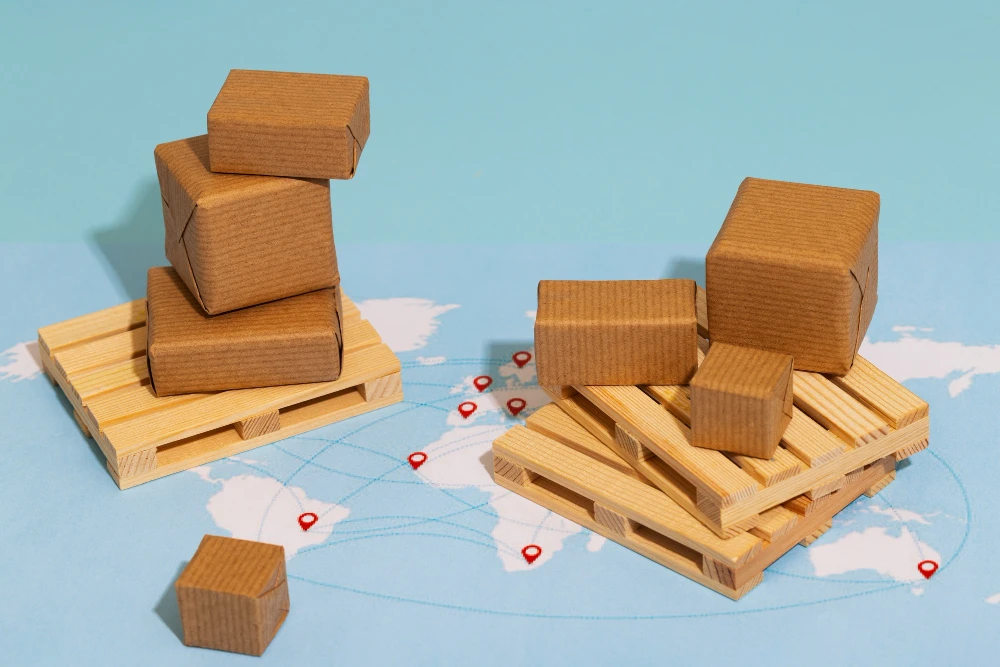

Imagine packaging that’s not just strong and protective - but composts in your backyard. Welcome to the world of molded pulp packaging, where sustainability meets style. Made from recycled paper, sugarcane bagasse, or even hemp fibers, it’s the modern answer to plastic’s environmental burden.
The Eco-Chic Comeback
Consumers are making their voices heard: 90% prefer brands that use sustainable packaging, and more than half actively choose eco-friendly options—even paying a bit more for them. Millennials (59%) and Gen Z (56%) are especially loyal to this cause. This shift is pushing companies toward biodegradable trays, green protective inserts, and circular economy-friendly solutions.
Smarter, Waterproof, Customizable
Gone are the days when pulp felt damp or brittle. Nowadays, innovations like biodegradable barrier coatings - developed through partnerships like Solenis and HEIDELBERG - make it water, oil, and grease resistant while keeping recyclability intact.
And guess what? Customization is more accessible than ever. Brands can mold unique shapes and finishes (think sleek custom molded pulp inserts for electronics or classy wine packaging boxes at scale without the plastic guilt.
Accelerating Tech Is Changing the Game
- Dry molded fiber (DMF) technology is zooming ahead: Dart Container’s Michigan facility now uses PulPac’s Scala line, which slashes water and energy use, cuts CO₂ emissions by up to 80%, and hits production speeds 10× higher.
- Non-wood pulp sources - like sugarcane, grasses, and straws - are gaining popularity, easing deforestation concerns and lowering raw material costs.
A Market on the Rise
In 2024, the molded pulp packaging market was worth $5.22 billion, and it’s expected to swell to $9.34 billion by 2033, growing at a 6.68% CAGR. Other forecasts suggest it could hit $7.04 billion by 2030 or even $10.15 billion in 2025. The Asia-Pacific region leads the charge, followed closely by North America and Europe, driven by regulation, e-commerce growth, and consumer demand.
Real-World Wins with Sugarcane Packaging
- In Singapore, hawker centers replaced foam containers with sugarcane bagasse foodware, cutting waste by 30% and winning praise for sturdiness and heat resistance.
- A UK catering firm saw an 8-ton plastic waste reduction and 20% lower waste disposal costs after switching event ware to bagasse - the green move even boosted its brand image.
- A global fast-food chain trialed bagasse burger boxes and lids in North America. Customers barely noticed the change - just better compostability and no microplastics.
Why Now Is the Perfect Time to Jump In
- Regulations are tightening: The EU now mandates fully recyclable packaging by 2030. Many U.S. states and global markets are following suit.
- Big names are making bold moves: Amazon removed around 3 million tonnes of packaging, ditching single-use plastics in favor of recyclable paper liners - and even shared the tech with others via its Sustainability Exchange.
- Yet, plastic still reigns - often due to cost or convenience. Innovation is key to giving molded pulp the functionality edge it needs.
Final Take
Molded pulp packaging isn’t just a greener option - it’s one that’s evolving fast. With coatings, dry-formed technology, and smart customization, it can deliver on aesthetics, protection, and sustainability all at once.
Whether it’s custom packaging boxes, protective electronics inserts, wine or cosmetic packaging, or sugarcane bagasse trays, molded pulp offers a green, functional path forward for virtually any industry.
Why wait? Choosing molded pulp today means being part of the sustainable packaging revolution - and future of circular, eco-friendly design.


















Sign in to leave a comment.