


Retail stores are full of products competing for customer attention. Even a useful product can be missed when it is placed among many similar items. This is where product shelf displays can make a real difference. They give products a dedicated space and help shoppers notice, understand, and compare items more easily.
A well-designed shelf display is not only about making a product look attractive. It can improve organization, support branding, and make better use of available retail space. From supermarkets to specialty stores, businesses can use different display styles based on their products and goals.
What Are Product Shelf Displays?
Product shelf displays are specially designed structures or presentation systems used to showcase merchandise on retail shelves. They can be made from corrugated cardboard, plastic, acrylic, metal, or other suitable materials.
Unlike ordinary shelves, these displays can be designed around a particular product or brand. They may include printed graphics, product information, dividers, raised sections, or multiple levels. Their purpose is to create a clear product presentation while keeping items organized.
Some displays are designed for short promotional campaigns, while others are made for long-term use. The right option depends on the type of product, store environment, expected usage, and available space.
Why Shelf Presentation Matters
Customers often make quick choices while shopping. They may not stop to examine every product on a shelf. A clear and organized display can help a product gain attention without making the shopping experience complicated.
A good shelf arrangement can make products easier to find. It can also separate one brand from nearby competitors. When customers can quickly see the product name, packaging, price, and key benefits, they may feel more confident about their choice.
Shelf presentation is especially important for products that are new to the market. A dedicated display can introduce the item and provide useful information without requiring a salesperson to explain it.
Better Product Visibility
One of the main benefits of a shelf display is improved visibility. Products can be positioned at suitable heights and arranged in a way that keeps important packaging areas visible.
A display can also create different levels. This is useful when several products need to be shown together. Instead of placing every item on one flat surface, tiered sections can make products easier to see.
Colors, graphics, and headings can further attract attention. However, the design should remain simple. Too many visual elements can make the display difficult to understand.
Stronger Brand Presentation
A standard retail shelf may not provide much space for brand messaging. A customized display gives companies additional areas for logos, colors, product benefits, and promotional messages.
Consistent branding can help customers recognize a product range quickly. For example, a company selling several flavors or product variations can use matching display units to create a connected appearance.
This approach can also make a retail area look more organized. A professional presentation can support the overall image of a brand.
Shelf-Ready Packaging and Displays
Shelf-ready packaging is designed to move products from storage or transport into the retail environment with minimal handling. It can make stocking faster and help products remain organized.
PDQ-style trays are one example. They can hold multiple units while providing a front-facing area for branding and product information. Once placed on a shelf, the tray can serve as both packaging and a merchandising tool.
This combination can save time for store staff and create a more consistent product presentation.
Different Types of Shelf Displays
There is no single design that works for every product. Businesses can select a format according to product size, weight, quantity, and store layout.
Tiered Shelf Displays
Tiered designs place products at different heights. This makes the items at the back easier to see and can help stores present several products in a small area.
Divided Shelf Displays
Dividers separate different products or variations. They are useful for keeping items in neat rows and preventing products from mixing together.
PDQ Trays
PDQ trays are commonly used for lightweight products and promotional merchandise. They can be placed directly on shelves and provide a simple way to keep products together.
Branded Shelf Displays
These units focus strongly on brand identity. They may include printed panels, logos, product information, and promotional graphics.
Custom Shelf Displays
Custom designs are created around specific products. They can include unique shapes, compartments, sizes, and branding elements that standard units may not offer.
Choosing the Right Material
Material selection should depend on the purpose of the display.
Corrugated cardboard is a popular option for retail merchandising because it is lightweight, printable, and easy to transport. It can be cut into different shapes and printed with colorful graphics.
Plastic and acrylic can provide a clean appearance and may work well for products that need a more modern presentation. They can also be suitable when durability and easy cleaning are important.
Metal displays are useful when strength and long-term use are priorities. They may be selected for heavier products or permanent retail installations.
The best material is the one that matches the product, store environment, budget, and expected display life.
Customization for Different Products
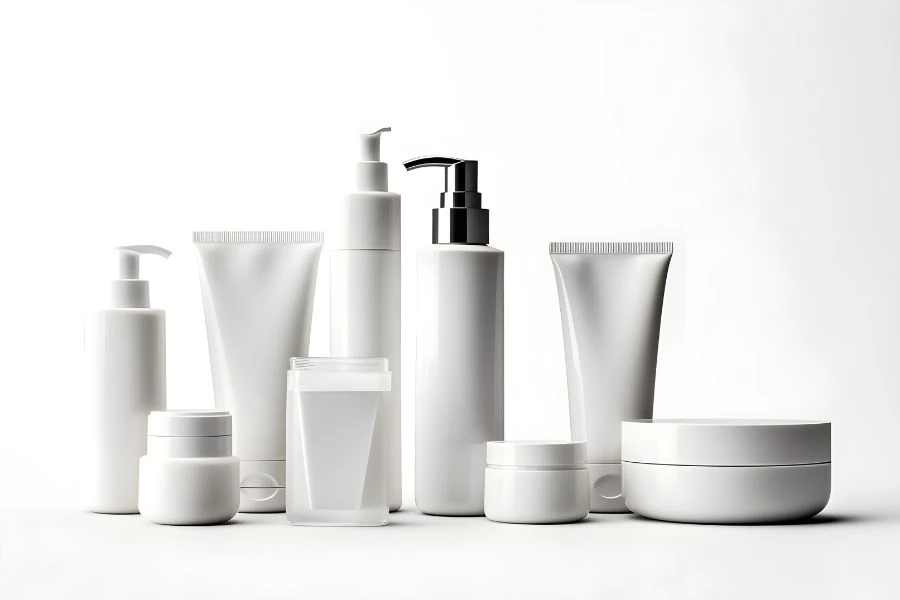
Every product has different dimensions and handling requirements. A small cosmetic item may need a compact tray with individual sections, while packaged food products may require wider shelves.
Custom displays can be created to fit these requirements. Designers can consider the product's height, width, weight, quantity, and method of removal.
A good design should also make restocking simple. Store employees should be able to add new products without taking apart the entire display.
Improving Customer Shopping Experience
Retail displays should help customers rather than confuse them. Products should be easy to reach, labels should be readable, and important information should be placed where shoppers can see it.
Good organization can reduce the time customers spend searching for an item. When products are clearly separated and presented, shoppers can compare different options more easily.
This can be especially useful in busy retail environments where customers want to find what they need quickly.
Using Displays for Promotions
Shelf displays can also support limited-time campaigns. A retailer may use a special design for a new product, seasonal offer, discount, or promotional bundle.
Printed messaging can explain the offer directly on the display. This reduces the need for additional signs and keeps the promotion connected to the product.
For brands launching a new item, a dedicated shelf presentation can provide extra attention during the early stages of the campaign.
Final Thoughts
A well-planned shelf display can turn ordinary retail space into a stronger merchandising opportunity. It can improve product visibility, support brand recognition, organize merchandise, and make shopping easier for customers.
From PDQ display trays and shelf-ready packaging to custom branded units, businesses have many options to match their products and retail environments. The most effective design is one that combines practical organization with clear visual communication.
When the right material, structure, branding, and placement come together, a shelf display becomes more than a storage solution. It becomes an important part of the product presentation and retail experience.























Sign in to leave a comment.