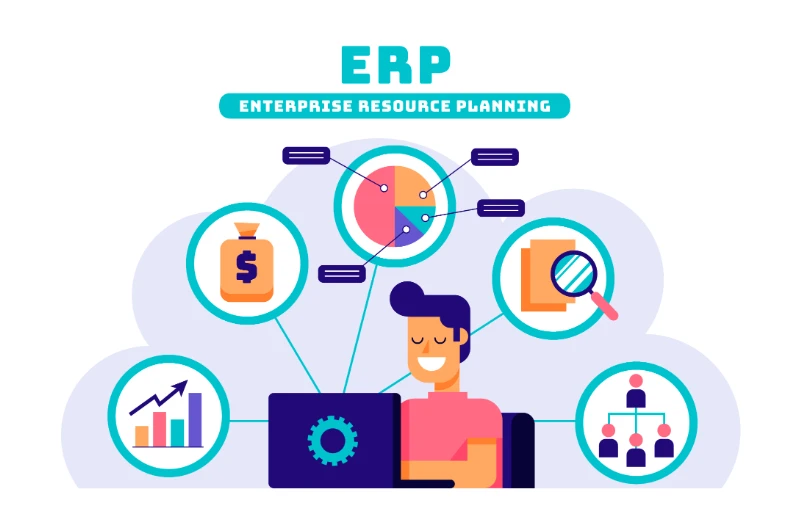

Efficient production planning is the heartbeat of every successful manufacturing operation. With today’s dynamic markets and customer expectations for faster, high-quality deliveries, manufacturers are increasingly depending on advanced ERP systems. Among all manufacturing ERP modules, the ERP production planning module often integrated with Material Requirements Planning (MRP) is the backbone that drives productivity, efficiency and profitability. This blog explores the best practices for optimizing your production module in ERP, from building the right Bill of Materials (BOM) to ensuring consistent on-time delivery.
1. Understanding the role of ERP modules in modern manufacturing
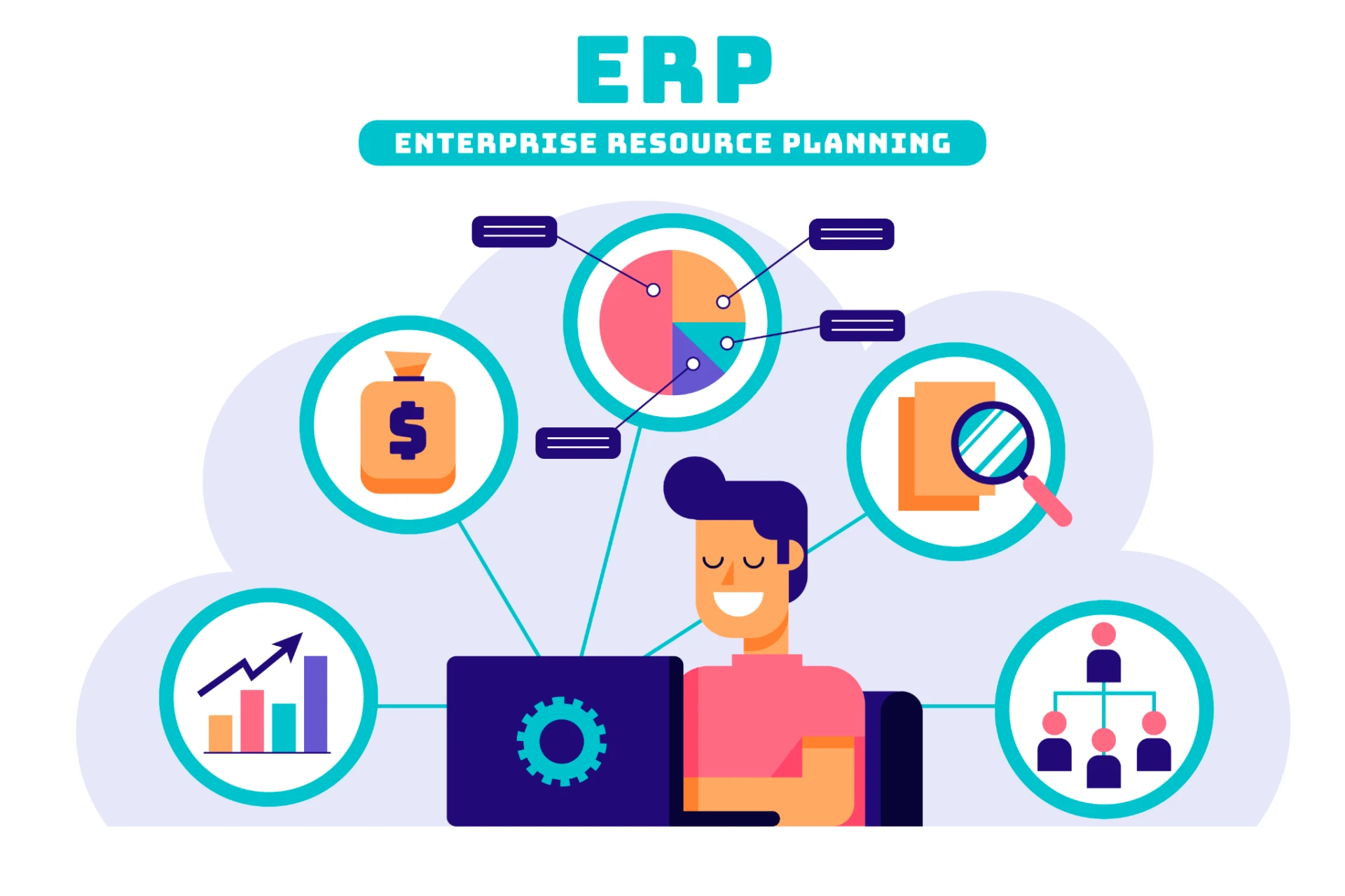
In today’s manufacturing landscape, ERP modules are no longer optional, they’re essential. Each module plays a unique role, from finance and inventory to supply chain and production planning. The manufacturing ERP modules ensure seamless coordination between departments, reducing manual dependencies and enhancing operational visibility.
The ERP production planning module is one of the most important components, aligning manufacturing schedules with material availability, workforce capacity and customer demand. It helps businesses forecast better, plan efficiently and execute with precision. By automating complex planning tasks, this module minimizes production delays and ensures smooth workflows from procurement to shipment.
A key benefit of integrated manufacturing ERP software is the real-time data it provides. Managers can monitor every stage of production, track material movements and make informed decisions instantly. When implemented strategically, these ERP modules transform production floors into synchronized systems capable of meeting demand fluctuations while maintaining profitability.
2. Building accuracy from the start: Bill of Materials (BOM) management
The foundation of every efficient production process lies in the Bill of Materials (BOM). A BOM acts as the blueprint for production, listing raw materials, subassemblies and components needed to manufacture a product. In the production module in ERP, maintaining accurate and dynamic BOMs ensures that the right materials are available at the right time, preventing costly errors or shortages.
Best practices for BOM management begin with accuracy and version control. Each product variation should have a separate BOM that reflects the latest engineering changes. By integrating BOMs within manufacturing ERP modules, manufacturers can easily update revisions, trace parts and align changes across departments ensuring consistency from design to dispatch.
Moreover, ERP software for manufacturing industry simplifies the coordination between design, purchasing and production teams. Real-time access to BOM data helps planners anticipate material requirements and generate purchase orders automatically. This reduces waste, avoids overstocking and ensures production runs smoothly paving the way for on-time delivery.
3. Streamlining material requirements planning (MRP) with ERP

The MRP process determines what materials are needed, when they’re required and in what quantity. In a manual environment, MRP can be prone to errors and inefficiencies. However, integrating it within an ERP production planning module changes the entire game.
With MRP in ERP, data from inventory, purchase and sales modules flows seamlessly, ensuring that material requirements are calculated accurately based on real-time information. This integration minimizes downtime caused by stockouts and ensures that the production line always has the required resources.
To get the best results, manufacturers must define accurate lead times, safety stocks and reorder points in the production module in ERP. When fine-tuned, these parameters allow the system to automatically generate procurement and production orders, ensuring materials arrive just in time without tying up unnecessary capital in excess inventory.
4. Mastering production scheduling for on-time delivery
A major strength of manufacturing ERP software lies in its ability to manage complex production schedules effortlessly. The ERP production planning module uses real-time data to balance production loads, optimize resource utilization and predict delivery timelines with high accuracy.
Effective production scheduling requires considering factors such as machine availability, workforce allocation and raw material readiness. By integrating these variables, manufacturers can create realistic schedules that minimize idle time and bottlenecks. Cloud-powered systems, like cloud-based ERP software in India, further enhance this capability by allowing access and updates from any location, ensuring continuous control and flexibility.
On-time delivery depends not only on efficient scheduling but also on proactive monitoring. Real-time dashboards and alerts within the manufacturing ERP modules provide insights into potential delays, allowing production managers to take corrective action immediately. This ensures customer commitments are met consistently boosting reliability and brand trust.
5. Leveraging ERP customization for smarter production planning

Every manufacturing operation is unique. That’s where ERP customization becomes a game-changer. Off-the-shelf systems may provide standard features, but customization ensures that the ERP software for manufacturing industry aligns perfectly with specific workflows, product types and business goals.
For instance, custom workflows can be designed for specialized quality checks, unique material handling processes or multi-level BOMs. Custom dashboards can provide KPIs that matter most such as production yield, machine downtime or order fulfillment rate. This flexibility enables manufacturers to derive maximum value from their production module in ERP.
When working with an experienced ERP software company in India, businesses can customize modules to integrate seamlessly with existing systems like CAD or PLM tools. Such integrations improve efficiency across design-to-delivery stages, enhancing overall production visibility and control.
6. Cloud-based ERP: The future of agile manufacturing
The shift to cloud-based ERP software is revolutionizing how manufacturers plan and execute their operations. Cloud ERP eliminates the need for heavy on-premise infrastructure while ensuring accessibility, scalability and real-time collaboration. For production planning, this translates into faster decision-making and better coordination among distributed teams.
A cloud-enabled ERP production planning module empowers businesses with real-time updates on material movements, order status and inventory levels. Managers can adjust schedules instantly, even if they’re offsite, ensuring agility in handling last-minute changes or disruptions.
Moreover, cloud ERP enhances data security and scalability. Whether it’s expanding production lines, adding new products or onboarding new users, cloud-based ERP software in India provides flexibility without disrupting existing operations. This agility ensures that manufacturers stay competitive, responsive and ready for future challenges.
7. Continuous monitoring and performance optimization

Even the best manufacturing ERP modules need continuous monitoring and improvement. Tracking KPIs such as production lead time, order accuracy and capacity utilization helps identify inefficiencies. The production module in ERP can generate performance reports automatically, allowing managers to analyze trends and make data-driven improvements.
Regular audits of BOMs, production schedules and inventory accuracy ensure that your ERP software for manufacturing industry remains aligned with operational goals. Continuous training of staff also plays an important role ensuring that users fully leverage the system’s potential.
By combining technology, process optimization and human expertise, manufacturers can transform their ERP from a data system into a performance engine that drives measurable results.
Drive manufacturing excellence with TheERPHub
Efficient production planning is the cornerstone of successful manufacturing and a well-implemented ERP production planning module can redefine how operations are managed from BOM creation to on-time delivery. With accurate data, automation and intelligent scheduling, businesses can minimize waste, enhance productivity and exceed customer expectations.
TheERPHub, a trusted ERP software company in India, specializes in delivering customized manufacturing ERP software and cloud based ERP software for manufacturers aiming for efficiency and growth. Whether you need end-to-end integration, advanced ERP customization or expert guidance on manufacturing ERP modules, TheERPHub ensures your production goals align perfectly with business success.
Get in touch with us today to experience the power of intelligent ERP solutions designed to streamline your production and boost on-time delivery performance.






























Sign in to leave a comment.