

In the rapidly evolving world of software development, having the right tools and frameworks at your disposal is essential to stay ahead. One of the most powerful and versatile frameworks available today is .NET. Whether you are building complex enterprise applications, mobile apps, or web solutions, .NET development offers streamlined processes that make professional development efficient, reliable, and scalable. This article will explore the ins and outs of professional .NET development, highlighting its effectiveness in delivering high-quality software solutions.
Brief Explanation of .NET Framework
.NET is an open-source, cross-platform framework developed by Microsoft. It is used for building a wide range of applications, from simple web pages to sophisticated enterprise systems. Initially launched as the .NET Framework, it has since evolved into a more versatile tool with the introduction of .NET Core and the unification into the modern .NET 5 and beyond.
Evolution and Popularity of .NET
.NET has gained immense popularity since its release due to its ease of use, robust security, and strong developer support. It now powers everything from small businesses to large-scale enterprises, enabling developers to create everything from desktop applications to dynamic websites, all while ensuring a seamless user experience.
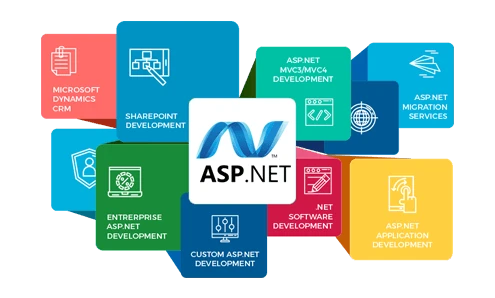
Key Features of .NET
.NET stands out for several reasons, and its features make it a go-to choice for professional developers looking for both performance and productivity.
Cross-Platform Compatibility
One of the biggest advantages of .NET is its cross-platform nature. With .NET Core, developers can build applications that run on Windows, macOS, and Linux, making it a versatile choice for modern software development.
Robust Security Features
.NET offers built-in security features like code access security (CAS), role-based security, and encryption libraries. These help developers implement secure applications, crucial for today's data-driven world.
Scalability and Flexibility
Whether you're building a simple application or a large-scale enterprise solution, .NET’s scalability allows it to grow with your needs. It supports cloud computing and microservices architectures, making it ideal for dynamic and high-traffic applications.
Why Choose .NET for Professional Development?
Performance and Speed
.NET is known for its excellent performance. With tools like Just-In-Time (JIT) compilation and the ability to optimize code execution, .NET applications can run faster and more efficiently compared to other frameworks.
Cost-Effectiveness
.NET's flexibility allows developers to reuse code and libraries, reducing development costs. Moreover, using open-source versions like .NET Core lowers licensing costs, making it an attractive option for businesses.
Developer Productivity and Support
.NET is backed by a large community of developers and Microsoft, ensuring continuous updates and improvements. The vast number of resources available, such as libraries, tutorials, and frameworks, increases developer productivity significantly.
Streamlining .NET Development
One of the primary goals for any development team is to streamline their processes for efficiency. Fortunately, .NET development offers several strategies to achieve this.
Agile Development Methodologies
Agile is a popular development methodology that emphasizes collaboration, flexibility, and iterative progress. .NET developers often use Agile to improve communication with clients, make quick adjustments, and release new features rapidly.
Leveraging Visual Studio and IDEs for Productivity
Microsoft’s Visual Studio is a powerful Integrated Development Environment (IDE) that simplifies coding, debugging, and testing. With built-in features like IntelliSense, refactoring tools, and live unit testing, Visual Studio enhances productivity and reduces coding errors.
Utilizing Pre-built Libraries and Components
.NET developers can leverage pre-built libraries and components, such as ASP.NET, Entity Framework, and Xamarin, to speed up development without reinventing the wheel. This approach helps developers focus on core features while relying on proven solutions for repetitive tasks.

Tools and Technologies in .NET Development
.NET Core vs. .NET Framework
.NET Core is the modern, cross-platform version of .NET, while the .NET Framework is the traditional, Windows-only platform. For most modern applications, .NET Core offers a better choice due to its speed, scalability, and ability to run on multiple operating systems.
Popular Libraries and Frameworks
Frameworks like ASP.NET for web development, Blazor for building interactive web UIs, and Xamarin for mobile app development are some of the most popular tools in the .NET ecosystem. These frameworks allow developers to create powerful applications with fewer lines of code.
Integration with Cloud Platforms
.NET integrates well with cloud platforms like Microsoft Azure and AWS, making it easier to deploy and scale applications. The cloud-based services also offer tools for DevOps, monitoring, and automation.
Best Practices for Effective .NET Development
Code Quality and Maintainability
Writing clean, maintainable code is essential for long-term project success. .NET’s support for design patterns, coupled with best practices like SOLID principles, ensures high-quality, maintainable code.
Unit Testing and Debugging
.NET provides excellent testing frameworks like MSTest, NUnit, and xUnit, allowing developers to test their code thoroughly. Debugging tools in Visual Studio also make identifying and resolving issues easier.
Continuous Integration and Delivery
Integrating Continuous Integration (CI) and Continuous Delivery (CD) pipelines into the development process ensures faster delivery of updates and patches. Tools like GitHub Actions, Jenkins, and Azure DevOps support seamless CI/CD integration with .NET.
Overcoming Common Challenges in .NET Development
Managing Legacy Code
Many enterprises face the challenge of managing and updating legacy systems. .NET offers several tools for migrating legacy code to modern frameworks, ensuring smoother transitions and better performance.
Handling Performance Bottlenecks
Performance optimization is crucial for large-scale applications. .NET provides profiling tools to identify performance bottlenecks and optimize code for better execution speed.
Ensuring Cross-Platform Compatibility
One of the primary challenges of .NET development is ensuring that applications run seamlessly across different platforms. However, with .NET Core and the tools available in the .NET ecosystem, developers can build cross-platform applications with minimal effort.
The Role of .NET in Web and Mobile App Development
Building Robust Web Applications with ASP.NET
ASP.NET is a powerful framework for creating dynamic and scalable web applications. It offers seamless integration with databases, supports MVC architecture, and is highly secure, making it a popular choice for web development.
Cross-Platform Mobile Development with Xamarin
Xamarin allows developers to create native mobile applications for iOS, Android, and Windows with a single codebase. This cross-platform capability reduces development time and effort, making it a great choice for mobile app development.
Future Trends in .NET Development
.NET 8 and Beyond
With the release of .NET 8, new features like better cloud integration, enhanced performance, and improved security are on the horizon. .NET’s open-source nature and constant updates
ensure it remains a relevant tool for future projects.
AI and Machine Learning Integration in .NET Apps
.NET developers can leverage libraries like ML.NET to integrate AI and machine learning capabilities into their applications, making it easier to add data analysis, predictive modeling, and automation to software solutions.
The Impact of .NET on the Future of Cloud Computing
As cloud computing continues to grow, .NET will play a significant role in developing scalable, high-performance cloud applications, especially with enhanced support from Microsoft Azure.
Conclusion
.NET development offers a streamlined, effective solution for professional developers. Its cross-platform capabilities, performance, and extensive toolset make it an excellent choice for building a wide range of applications. By adopting best practices and leveraging the right technologies, developers can maximize productivity and deliver high-quality software solutions that meet modern demands.






















Sign in to leave a comment.