

When something fails suddenly in a home, the speed and correctness of the response determine how much damage the property sustains, and New Jersey homeowners should know in advance where to turn for fast emergency roofing near me as well as for urgent plumbing help. The two most common sources of sudden, damaging water intrusion in a home are a compromised roof and a failed plumbing system, and both share the same principle: the faster the response, the smaller the damage. Understanding how to handle each keeps a manageable problem from becoming a major restoration.
Roof emergencies in New Jersey most often result from severe weather. High winds strip or lift shingles, falling limbs puncture the roof surface, and the heavy rain of coastal storms overwhelms any breach in the roofing. Once the roof is compromised, water moves quickly through the assembly, passing the underlayment, saturating the decking, and traveling along framing into insulation and drywall. This damage compounds with every hour of exposure, which is why the immediate priority in a roof emergency is stopping water intrusion rather than completing a permanent repair.
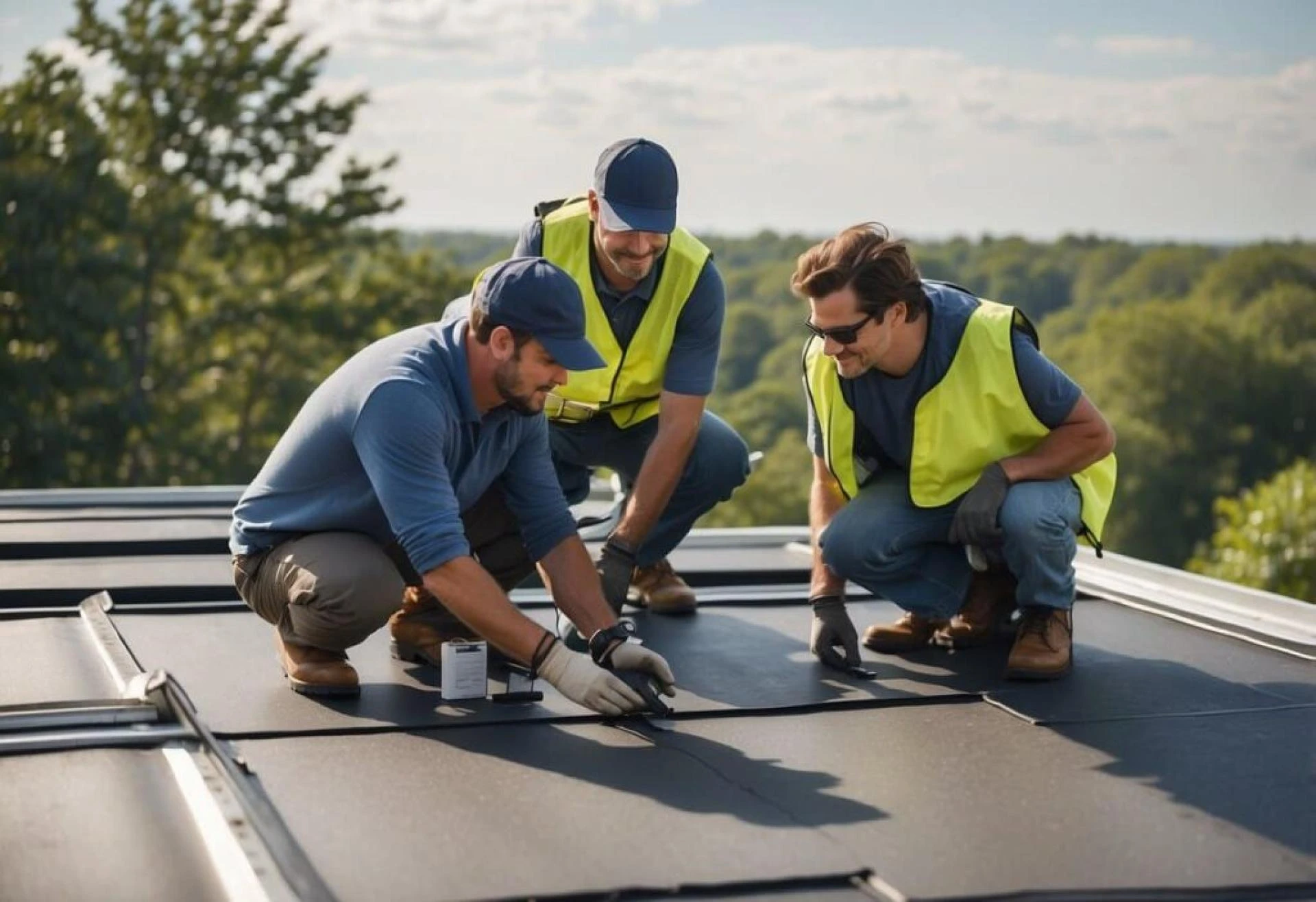
The standard emergency measure for a roof is installing a temporary barrier over the affected area, typically a reinforced tarp secured with furring strips and fasteners, positioned to shed water past the damaged zone. On a sloped roof, the barrier should extend over the ridge where possible so water cannot migrate underneath. This stabilization prevents the secondary interior damage that accounts for most of the cost in a roofing emergency. Homeowners should not attempt to access a wet or storm-damaged roof themselves, since these surfaces present serious fall hazards that trained crews manage with proper equipment.
Plumbing emergencies follow the same logic but originate inside the home. A burst pipe, a failed water heater, a supply line rupture, or a severe backup can release a large volume of water in a short time, and the damage spreads rapidly through floors, walls, and ceilings. The first step a homeowner should take is shutting off the water supply, either at the fixture or at the main shutoff valve, to stop the flow at its source. Knowing the location of the main shutoff before an emergency occurs saves critical minutes when one happens.
Once the water is stopped, arranging a qualified residential plumber in New Jersey is the next step, because the underlying cause must be diagnosed and repaired properly. A burst pipe may be the visible symptom of a larger issue, such as corrosion, excessive pressure, or freezing, and a professional identifies and corrects the root cause rather than only patching the failure. Attempting a temporary fix without addressing the cause often leads to a repeat failure, sometimes worse than the first.
Both types of emergency share the same set of homeowner actions while professional help is on the way. Cutting power to any area where water is contacting electrical fixtures or wiring reduces the risk of an electrical hazard. Moving belongings away from the water and containing it where possible limits the damage. Documenting the damage with photographs from multiple angles creates the record that insurers require, since most homeowner policies cover sudden, accidental water damage and expect the homeowner to take reasonable steps to prevent further loss.
The connection between these emergencies is worth understanding. Water damage, whether it enters from above through the roof or from within through the plumbing, behaves the same way once it reaches the structure. It saturates insulation, weakens framing and decking, and creates conditions for mold within days. This is why the response time is the single most important variable in both cases, and why the temporary measures that stop the water are so valuable even before the permanent repair is made.
The most effective protection a homeowner has is preparation. Knowing the location of the main water shutoff, keeping the number of a reliable emergency roofing resource and a trusted plumber on hand, and understanding the basic steps to take in the first minutes of an emergency all reduce the eventual damage. New Jersey's weather and its aging housing stock make these emergencies a realistic possibility for any homeowner. When the response is fast and the underlying cause is properly addressed, a sudden failure becomes a contained incident rather than a costly disaster that spreads through the home.
























Sign in to leave a comment.