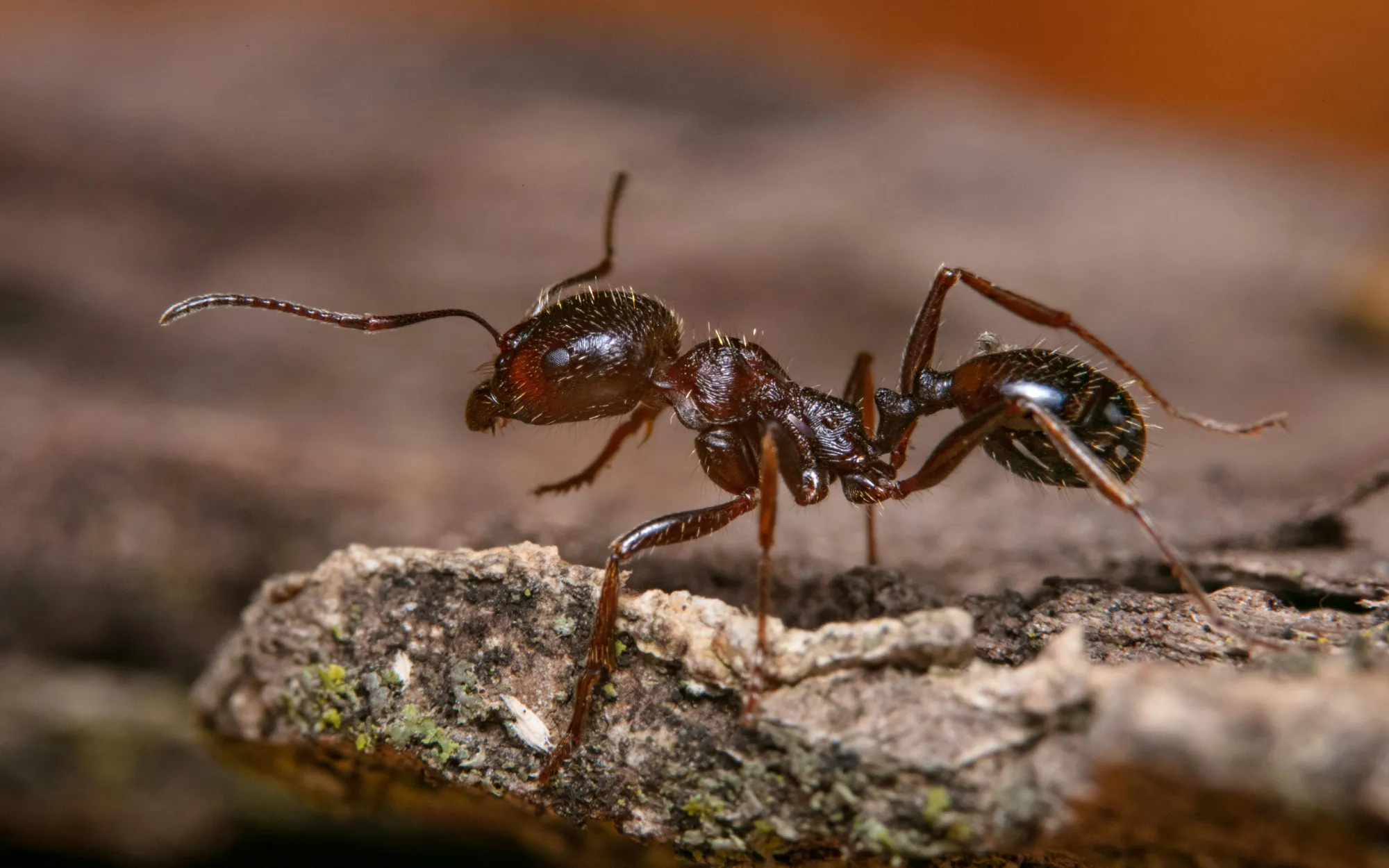

Ant infestations are a common challenge for homeowners and businesses across Victoria. While these tiny insects may seem harmless initially, their ability to establish large colonies and invade indoor spaces can quickly turn them into a significant nuisance. Many property owners seek professional ant control Melbourne services when they notice repeated ant activity around food storage areas, gardens, pathways, and workplaces. At Ant Pest Control Melbourne, the focus is on delivering long-term pest management solutions that target the source of infestations rather than providing short-lived results.
Why Ants Are a Frequent Household Pest
Ants are highly adaptable creatures that can survive in a wide variety of environments. They are constantly searching for food, water, and shelter, making residential and commercial properties ideal locations for nesting and foraging. Once a colony identifies a reliable source of food, worker ants create invisible scent trails that guide others directly to the same location.
This organised behaviour allows colonies to expand rapidly. A small number of ants spotted on a kitchen bench may indicate a much larger colony hidden somewhere nearby. Because nests are often concealed, infestations can continue growing unnoticed for extended periods.
Common Locations Where Ants Build Nests
One of the reasons ant problems can become difficult to manage is their ability to establish nests in hidden areas. Many colonies remain out of sight while continuing to send worker ants into buildings.
Common nesting locations include:
Garden Beds
Landscaped areas provide shelter, moisture, and protection for colonies.
Under Concrete Surfaces
Driveways, pathways, and patios often contain small gaps where ants can establish nests.
Wall Cavities
Indoor infestations frequently originate from colonies hidden within structural voids.
Roof Spaces
Warm and protected roof areas can support long-term nesting activity.
Around Plumbing Systems
Moisture-rich environments often attract various ant species.
Understanding where ants are likely to nest is an important step in achieving effective control.
Warning Signs of an Ant Infestation
Many infestations start small and gradually become more noticeable over time. Identifying the early signs can help prevent a larger problem from developing.
Some common indicators include:
- Continuous trails of ants moving between locations
- Ants gathering around food preparation areas
- Small soil deposits near walls and pathways
- Increased activity during warm weather
- Winged ants appearing indoors
These signs often suggest that a colony is actively expanding and searching for additional resources.
How Ant Colonies Continue to Grow
Ant colonies operate as highly organised social systems. At the centre of each colony is the queen, whose primary role is reproduction. Worker ants gather food, care for young ants, and protect the nest.
As long as the queen remains healthy, the colony can continue producing new ants. This is why eliminating visible worker ants rarely resolves the issue. The majority of the colony often remains protected inside the nest, allowing populations to recover quickly.
Without targeted treatment, colonies may establish additional satellite nests, making future control efforts more complex.
Risks Associated with Ignoring Ant Activity
Although ants are not always considered dangerous, allowing infestations to continue can create several unwanted consequences.
Food Contamination
Ants frequently travel through contaminated environments before entering kitchens and food storage areas. This can create hygiene concerns for households and businesses.
Property Maintenance Issues
Certain species may establish nests around structural components, creating additional maintenance challenges over time.
Commercial Reputation Concerns
Businesses that experience visible pest activity may face negative customer perceptions and potential impacts on their professional image.
Increased Infestation Levels
Untreated colonies often continue expanding, resulting in greater pest activity throughout the property.
Why Professional Pest Management Is Effective
Professional pest control services focus on identifying and treating the entire colony rather than just visible ants. Experienced technicians conduct inspections to determine:
- Nesting locations
- Access points
- Food sources
- Moisture issues
- Environmental conditions supporting activity
This information allows a customised treatment strategy to be developed for each property.
Modern pest management techniques often include baiting systems that worker ants carry back to the colony. This method enables treatment materials to reach hidden areas and affect a much larger portion of the nest.
Understanding Service Costs
Property owners often want to understand ant removal cost Melbourne before arranging treatment. The overall investment can vary depending on several factors.
Size of the Property
Larger properties generally require more extensive inspection and treatment coverage.
Severity of the Infestation
A minor infestation confined to one area is often easier to manage than a widespread colony affecting multiple locations.
Nest Accessibility
Colonies located behind walls, beneath structures, or underground may require specialised treatment methods.
Ongoing Monitoring
Some infestations benefit from follow-up visits to ensure long-term success and prevent reinfestation.
Professional treatment is often more cost-effective than repeatedly purchasing temporary solutions that fail to address the root cause.
Practical Tips to Reduce Future Infestations
Preventative measures play a vital role in maintaining a pest-free environment.
Keep Food Areas Clean
Regular cleaning removes crumbs and residues that attract foraging ants.
Store Food Securely
Use airtight containers to reduce access to food sources.
Repair Moisture Problems
Fix leaking taps, damaged pipes, and drainage issues promptly.
Seal Entry Points
Inspect and close gaps around windows, doors, and utility openings.
Maintain Outdoor Spaces
Trim vegetation, remove debris, and keep garden areas tidy to discourage nesting.
The Benefits of Early Intervention
Responding quickly to ant activity can significantly improve treatment outcomes. Smaller infestations are generally easier to control than large, well-established colonies.
Routine inspections and preventative maintenance can help identify problems before they become widespread. This proactive approach often reduces disruption, lowers long-term costs, and supports a healthier living or working environment.
Whether managing a residential property or a commercial facility, professional pest management remains one of the most effective ways to address recurring ant problems. By combining expert treatment with preventative practices, property owners can achieve lasting protection and greater peace of mind. For those seeking reliable local support, professional ant pest control Epping services provide targeted solutions designed to eliminate active infestations and help prevent future ant activity from returning.
















Sign in to leave a comment.