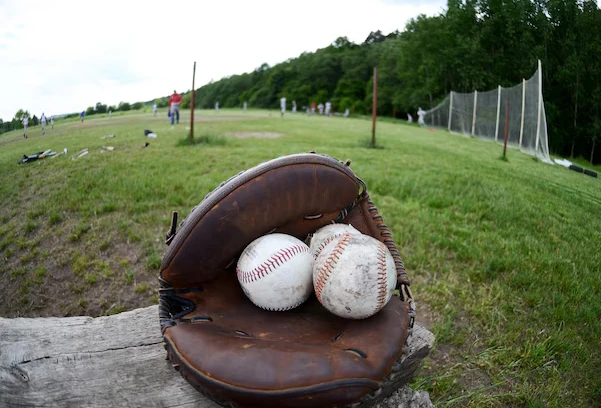

Baseball backstop net are robust, sturdy mesh barriers, usually constructed from nylon or polyethylene, placed behind home plate and along foul lines to safeguard spectators, assets, and players from swift-moving foul balls, uncontrolled pitches, and airborne bats, available in long-term field installations or mobile backyard configurations, providing unobstructed views compared to chain-link fencing.
Materials
Nylon is known for its durability, strength, and weather resistance, and is a widely used standard material.
Polyethylene, classified as a high-strength poly, is both robust and affordable, boasting good abrasion resistance.
Polyester is known for its strength and resistance to UV degradation, making it a popular choice for high-end netting applications.
Polypropylene (PP) is a budget-friendly option that suits lighter-duty applications, particularly in youth fields.
Fiberglass or composite yarns: Used in some high-end nets for added durability and minimal elasticity.
Construction Details:
The recommended mesh size is typically around 1.5" to 2" square for safety reasons and enhanced visibility.
The baseball backstop net weight is measured in terms of small denier values, such as 210D to 420D, with higher denier numbers corresponding to stronger and thicker materials.
Added to resist sun damage and extend product life are UV inhibitors.
Some nets feature vinyl or PVC coatings to enhance their weather resistance and simplify the cleaning process.
Types of Network Technologies and Equipment
The material used for baseball backstop net includes HDPE, Nylon, and Dyneema, while their construction can be either knotted or knotless with varying mesh sizes, and they can be cable-suspended for clear views, inline for solid barriers, or temporary/mobile units. Key factors comprise durability (higher-strength fibers such as Dyneema for intense use), weather resistance (UV-stabilized for outdoor use), and design (reinforced edges, specific mesh for various ball types).
The Material and Method of Construction
High-Density Polyethylene (HDPE) is a durable and cost-effective material, commonly used for general purposes, with UV stabilization to enhance its outdoor durability.
Nylon is a strong material, available in different strengths, including #18, #36, and #96, and is often reinforced by knotting.
Dyneema (UHMWPE) is a premium, ultra-high-strength, lightweight option for high-intensity activities, featuring superior durability and unobstructed visibility.
Kevlar offers exceptional strength at a high-performance level.
Knotted baseball backstop net provide traditional strength, in contrast, knotless nets featuring a square mesh construction help prevent ball loss, making them suitable for practice and smaller balls. Knotless: Knotted nets offer traditional strength, while knotless (square mesh) nets prevent ball loss, ideal for practice and smaller balls.
By System Type.
This type of baseball backstop net system, known as a Cable-Suspended Tie-Back, utilizes cables to suspend the netting, providing unobstructed views for spectators and is a common feature in many stadiums.
Behind home plate, netting stretches continuously down the foul lines.
Installed above the field is a canopy/overhead system designed to catch pop flies and return them to play.
Portable freestanding systems with posts are ideal for temporary setups or batting cage netting.
Portable/temporary: Installation and removal are simpler for smaller fields or practices.
Advantages of Nets
The installation of baseball backstop net in professional leagues prevents serious injuries to spectators by shielding them from foul balls and broken bats in the stands.
Player and coach safety measures are designed to safeguard individuals in dugouts and behind the plate from wayward pitches or batted balls.
Property Protection: Averts balls from impacting parked cars, windows, concession stands, or adjacent fields.
A thinner mesh offers clearer, less obstructed views of the game compared to chain-link fences.
The better ball containment system effectively keeps balls within play, thereby minimizing interruptions and lost time.
Enhanced aesthetics provide a cleaner, more modern appearance compared to traditional fences, thereby enhancing the facility's appearance.
The versatility of this installation option allows it to be placed higher and further down the sidelines than fences.
Facilities can meet current safety regulations by being compliant.
These items are highly durable, constructed from strong materials such as polyethylene that withstand harsh weather and heavy wear.





















Sign in to leave a comment.